
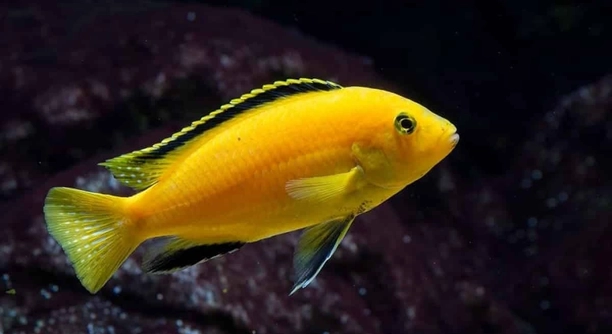
Keeping a bare bottom tank for cichlids has become a popular choice among fishkeepers. This simple setup removes substrate like gravel or sand, creating an uncluttered environment. It is often preferred for its ease of maintenance and visual clarity.
A bare bottom cichlid tank offers several benefits, including easier cleaning, better monitoring of fish health, improved water flow, reduced risk of harmful bacteria buildup, and simplified breeding conditions. These advantages contribute to a healthier and more manageable aquatic environment.
Understanding why many hobbyists choose a bare bottom setup can improve your own tank management and fish care. The following points explain the key benefits of this approach in detail.
Easier Cleaning and Maintenance
Keeping a bare bottom tank makes cleaning much simpler. Without gravel or sand, debris and uneaten food do not get trapped at the bottom. This means you can remove waste quickly with a siphon or net during regular water changes. It also reduces the time spent vacuuming substrate, which can disturb beneficial bacteria. The bare surface allows you to see dirt and algae buildup clearly, so you know exactly when to clean. This setup saves effort and helps maintain water quality, which is essential for healthy cichlids.
Cleaning is less time-consuming with no substrate to disturb. This helps keep the tank healthier for the fish.
Many fishkeepers find that a bare bottom tank reduces daily maintenance significantly. It also lowers the chances of harmful bacteria growing in substrate layers, which can affect fish health. With easier cleaning, you can spend more time observing your cichlids and less time managing the tank. This can be especially useful in breeding tanks, where cleanliness is critical. Overall, the simplicity of a bare bottom tank supports a stable, healthy environment for your fish to thrive.
Better Monitoring of Fish Health
A bare bottom tank allows clear visibility to observe fish closely. It is easier to spot any signs of illness, injury, or stress without substrate blocking the view. This helps in early detection and treatment, improving fish survival rates. With no hiding places in the substrate, fish behavior can be observed more accurately.
By improving visibility, you can quickly address health issues before they worsen.
When substrate is removed, any changes in fish appearance become immediately noticeable. It is easier to detect white spots, unusual swimming patterns, or wounds. In addition, waste is easier to locate and remove, reducing stress on fish. Monitoring water parameters is also simpler, since substrate can sometimes release toxins or trap debris. For aquarists who prioritize fish health, a bare bottom tank provides a clean and open space to keep a close watch on their cichlids. This setup supports faster response to potential problems and helps maintain a healthier population overall.
Improved Water Flow and Filtration
A bare bottom tank allows water to flow freely without obstruction from substrate. This improves filtration efficiency by reducing areas where debris can accumulate. Better circulation also helps maintain consistent water parameters, which is important for cichlid health.
Enhanced water movement reduces dead spots where waste could build up. This supports cleaner and healthier water for the fish.
With no substrate, filters work more effectively because there is less material trapping detritus. This leads to quicker removal of harmful substances like ammonia and nitrites. The increased water flow also helps oxygenate the tank better. These factors reduce stress on cichlids and prevent water quality fluctuations that can cause illness. In addition, cleaning filter media becomes easier since there is less sediment to clog equipment. Overall, a bare bottom tank supports a stable environment by promoting efficient water circulation and filtration.
Simplified Breeding Conditions
Bare bottom tanks create a controlled environment ideal for breeding cichlids. Eggs and fry are easier to monitor and protect without substrate hiding them. It also reduces the risk of fungus or bacteria developing around eggs.
This setup helps parents care for their young more effectively without interference from debris.
By removing substrate, breeders can focus on water quality and reduce potential hazards to eggs and fry. Clean surfaces prevent harmful microorganisms from spreading and allow better inspection for eggs’ condition. Parents can move and guard their offspring without substrate getting in the way, improving survival rates. Bare bottom tanks also make it easier to separate fry when needed, helping manage breeding groups efficiently. These factors make breeding cichlids less complicated and increase chances of success.
Reduced Risk of Harmful Bacteria Build-Up
Without substrate, there is less chance for harmful bacteria to accumulate. Bare surfaces are easier to clean thoroughly, preventing bacteria from hiding in gravel or sand. This lowers the risk of infections for cichlids.
Regular cleaning ensures a safer tank environment, keeping fish healthier over time.
Cost-Effectiveness of Bare Bottom Tanks
Setting up a bare bottom tank can save money by eliminating the need for substrate purchases. It also reduces expenses related to extra cleaning equipment and maintenance products. Over time, these savings add up, making it an economical choice for many fishkeepers.
Easier Observation of Tank Cleanliness
A bare bottom tank allows clear and quick checks of cleanliness. Dirt and algae show up immediately, making it easier to maintain a spotless environment for cichlids.
FAQ
Why do some fishkeepers prefer a bare bottom tank for cichlids?
Many fishkeepers choose bare bottom tanks because they are easier to clean and maintain. Without substrate, waste does not get trapped at the bottom, reducing the buildup of harmful bacteria. This helps keep water quality stable and fish healthier. It also improves visibility, making it easier to monitor fish behavior and health. For those breeding cichlids, bare tanks simplify caring for eggs and fry by removing places for debris and fungus to hide.
Does removing substrate affect the natural behavior of cichlids?
Cichlids are known for digging and moving substrate in their tanks, which can be part of their natural behavior. Without substrate, they may still show some digging motions but cannot perform it fully. Some fishkeepers find that cichlids adapt well to bare bottom tanks, especially if there are other hiding places or decorations. Providing rocks, caves, or plants can help replicate a natural environment while keeping the tank easy to maintain.
Is a bare bottom tank suitable for all types of cichlids?
Not all cichlid species thrive equally well in bare bottom tanks. Some species prefer digging and burrowing in substrate, which is part of their normal behavior. Others are less dependent on substrate and can adapt better. It’s important to research the specific needs of your cichlid species before deciding. For many popular types, such as African cichlids, bare bottom tanks work well, especially for breeding and health monitoring.
How does a bare bottom tank impact water quality?
A bare bottom tank helps maintain better water quality by reducing places where detritus and waste can accumulate. This means less buildup of harmful substances like ammonia and nitrites. Improved water flow and easier cleaning also contribute to more stable water parameters. However, regular water changes and filter maintenance are still necessary to keep the tank healthy.
Can algae become a problem in bare bottom tanks?
Algae can still grow in bare bottom tanks, especially on the glass walls and decorations. However, since there is no substrate, algae growth on the tank floor is easier to spot and clean. Regular maintenance and proper lighting control can prevent algae from becoming overwhelming. Bare bottom tanks may actually help reduce algae issues by making cleaning more straightforward.
Will fish fry survive better in bare bottom tanks?
Yes, bare bottom tanks provide a safer environment for fish fry because there is no substrate for them to hide in or get trapped by. This makes it easier for parents to protect their young. It also reduces the risk of fungus and bacteria that can harm eggs and fry. Breeders often use bare bottom tanks to improve survival rates during breeding.
Are there any downsides to using a bare bottom tank?
One downside is that cichlids may lose some natural digging behavior, which can affect their activity levels. Some fishkeepers find bare bottom tanks less visually appealing since they lack natural substrate. Also, without substrate, it can be harder to maintain beneficial bacteria colonies that live in gravel or sand. However, these bacteria can also grow on filter media and decorations, so it is not a major issue if the tank is properly maintained.
How do you decorate a bare bottom tank to keep fish comfortable?
In a bare bottom tank, decorations like rocks, caves, and sturdy plants provide hiding spots and territories for cichlids. These elements help reduce stress and encourage natural behavior. Use materials that are easy to clean and won’t trap waste. Arranging decorations thoughtfully allows fish to establish territories while keeping the tank simple and manageable.
Is a bare bottom tank easier for beginners?
Yes, bare bottom tanks are often recommended for beginners because they simplify cleaning and maintenance. Without substrate, it’s easier to keep water quality high and spot potential problems early. The setup requires less equipment and fewer supplies. Beginners can focus more on learning about fish care and behavior instead of managing substrate. However, it’s important to still provide proper hiding places and monitor fish closely.
How often should a bare bottom tank be cleaned?
Cleaning frequency depends on tank size, fish load, and filtration efficiency. Generally, spot cleaning daily to remove waste and regular water changes weekly are recommended. The bare bottom surface allows quick removal of debris without disturbing beneficial bacteria. Filters should be checked and cleaned as needed to maintain proper function. Consistent maintenance helps prevent water quality issues and keeps fish healthy.
Final Thoughts
Choosing a bare bottom tank for your cichlids can be a practical and effective decision. This setup simplifies maintenance and cleaning, making it easier to keep the tank environment healthy. Without substrate, waste and debris do not get trapped, which helps maintain better water quality. For many fishkeepers, this means less time spent on daily chores and more time enjoying their fish. The simplicity of a bare bottom tank also allows for quick visual checks on the tank’s cleanliness and the health of the fish.
Bare bottom tanks also offer benefits beyond ease of cleaning. The improved water flow and filtration contribute to a stable environment that supports the well-being of cichlids. This is especially important for breeders, as eggs and fry are easier to monitor and protect without substrate interfering. Fishkeepers can better observe changes in fish behavior or signs of illness, allowing for quicker intervention when needed. Although some natural behaviors like digging are limited without substrate, providing decorations such as rocks or caves can help fish feel comfortable and encourage territorial behavior.
While a bare bottom tank may not suit every cichlid species or every fishkeeper’s preference, it remains a popular choice for many due to its practical advantages. It is cost-effective and reduces the risk of harmful bacteria buildup. For those who want a manageable, clean tank that supports fish health and breeding, a bare bottom setup is worth considering. Ultimately, the choice depends on your goals and the specific needs of your fish. Understanding the benefits and limitations of this approach can help you make an informed decision for your aquarium.

Hello,
If you enjoy the content that we create, please consider saying a "Thank You!" by leaving a tip.
Every little bit helps us continue crafting quality advice that supports the health, happiness, and well-being of pets around the world, for pets of all shapes, sizes, and species.
We really appreciate the kindness and support that you show us!