
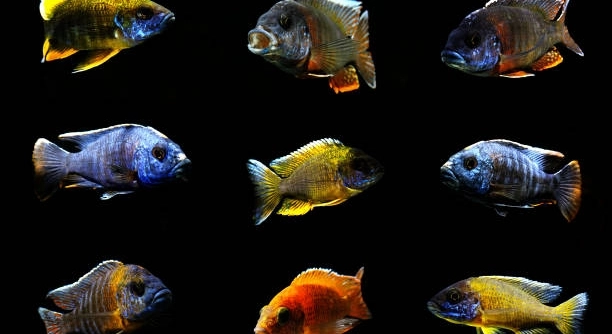
Are your cichlids showing signs that something might be wrong? Watching these colorful fish carefully helps keep them healthy and happy in your aquarium. Recognizing early warning signs can prevent serious problems.
There are seven critical warning signs that indicate your cichlids may be stressed, sick, or living in unsuitable conditions. Identifying these signs early allows for prompt intervention and improves the chances of recovery and well-being.
Knowing these key indicators will help you maintain a balanced and thriving environment for your cichlids. This article breaks down each warning sign clearly and simply.
Loss of Appetite
When your cichlid suddenly stops eating or shows less interest in food, it’s a clear sign something isn’t right. Appetite loss can happen for several reasons, including stress, poor water quality, or illness. Cichlids need a balanced diet and stable conditions to stay healthy. If you notice your fish avoiding food, check the tank environment first. Look for changes in water temperature, pH, or cleanliness that might be affecting them. Sometimes, other fish in the tank can cause stress, which also lowers appetite. Illness is another common cause, and if you see loss of appetite along with other symptoms like lethargy or spots, it’s time to act quickly. Early detection helps prevent further health decline. Monitoring feeding habits regularly can help catch this problem early before it becomes serious.
A lack of appetite in cichlids often signals underlying health or environmental issues that need immediate attention.
Understanding the cause of appetite loss helps in deciding the right action. You may need to test water quality or isolate the sick fish. Providing high-quality, fresh food can encourage eating. Reducing stress by removing aggressive tank mates or adjusting tank conditions might also help. If illness is suspected, consult a vet or use recommended treatments for common cichlid diseases. Prompt care improves the chances of recovery and keeps your fish active and vibrant.
Unusual Swimming Patterns
Erratic or unusual swimming is often one of the first signs your cichlid is unwell. When fish swim in circles, float awkwardly, or struggle to stay balanced, it shows distress. This can be caused by swim bladder problems, parasites, or poor water quality. Maintaining a clean tank and proper water parameters is essential to prevent these issues. Sometimes, physical injury or stress from other fish may also affect swimming behavior.
Erratic swimming behavior indicates stress or health problems in your cichlid that need investigation.
If you observe odd swimming, start by testing the water for ammonia, nitrite, and pH levels, as poor water quality frequently causes these symptoms. Parasites or infections affecting the swim bladder can disrupt balance and movement, requiring medical treatment. Isolating the affected fish can prevent further injury and help with recovery. Adjusting tank setup or changing diet might be necessary as well. Recognizing these signs early and responding properly can save your cichlid from long-term harm. Keeping your tank stable and observing your fish daily is the best prevention against swimming problems.
Changes in Color
A sudden dullness or fading in your cichlid’s color can indicate stress or illness. Vibrant colors usually mean healthy fish, so any change is a signal to check their environment and health.
Color changes often occur when water quality drops or when the fish is sick. Poor water conditions, such as incorrect pH or high ammonia levels, can make your cichlid lose its bright colors. Stress from overcrowding or aggressive tank mates also causes fading. Some diseases, like fungal infections or parasites, affect skin and scales, resulting in color loss. Watching for color changes regularly helps catch problems early.
Certain cichlids naturally change color during breeding or mood shifts, but consistent dullness is worrying. If your fish’s color remains faded after improving tank conditions, a health issue may be present. Quarantining the fish and seeking advice from an aquatic specialist can prevent spreading disease.
Clamped Fins
Clamped fins happen when your cichlid holds its fins tightly against its body instead of spreading them out naturally. This usually signals discomfort or illness.
Fins that are clamped may mean your fish is stressed due to poor water quality, sudden changes in temperature, or bullying by other fish. It can also be a symptom of infections or parasites affecting the fins or body. Clamped fins reduce your fish’s ability to swim properly and can lead to further health complications if ignored. Monitoring water parameters and tank mates is important.
If clamped fins continue for several days, isolate the fish to prevent further stress and possible infection spread. Treating the water and using appropriate medications can help your cichlid recover. Proper care and stable conditions support fin health and overall well-being.
Rapid Gill Movement
Rapid gill movement shows your cichlid is struggling to breathe. This can be caused by low oxygen levels or poor water quality.
Check the tank’s oxygen supply and water cleanliness immediately. Poor conditions force fish to breathe faster, which is dangerous if not fixed.
White Spots on Body
White spots are a common sign of ich, a parasitic infection in cichlids. This condition spreads quickly if untreated.
Lethargy
Lethargy means your cichlid is unusually inactive or hiding more than usual. It often signals illness or stress in the tank environment.
What causes cichlids to lose their appetite?
Loss of appetite in cichlids can be due to several factors, including poor water quality, stress from tank mates, sudden changes in the environment, or illness. If the water is dirty or the temperature fluctuates, your fish may stop eating. Stress caused by overcrowding or aggressive fish can also reduce their interest in food. Additionally, diseases like parasites or infections often lead to a decrease in appetite. Regular tank maintenance, stable conditions, and observing your fish daily can help prevent this problem.
How can I tell if my cichlid is stressed?
Stress in cichlids often shows through behavior changes like clamped fins, loss of color, hiding, or unusual swimming patterns. They may also stop eating and become lethargic. Causes of stress include poor water quality, incompatible tank mates, overcrowding, or sudden changes in their environment. To reduce stress, maintain clean water, avoid overstocking, and provide hiding places. Watching your fish closely helps catch stress signs early and keeps them healthy.
What should I do if I see white spots on my cichlid?
White spots usually mean your fish has ich, a common parasite infection. It spreads fast and can be deadly if not treated. You should isolate the infected fish immediately to stop spreading. Raise the water temperature slightly and use over-the-counter ich treatments as directed. Maintain excellent water quality and keep the tank clean. Early treatment improves the chances of your cichlid recovering fully.
Why are my cichlid’s fins clamped?
Clamped fins mean your cichlid is uncomfortable or sick. It’s a common sign of stress caused by poor water conditions, aggressive tank mates, or infections. Clamped fins reduce swimming ability and indicate a need for quick action. Check water parameters and look for signs of fin damage or disease. Treat the water and improve tank conditions to help your fish feel better.
How can I improve my cichlid’s environment?
Maintaining stable water temperature, proper pH levels, and clean water are key to a healthy environment. Regular water changes and testing prevent buildup of harmful chemicals. Provide enough space and avoid overcrowding. Add plants, rocks, or hiding spots to reduce stress. Feed a balanced diet and remove aggressive fish if necessary. Keeping conditions stable helps your cichlids thrive.
Is unusual swimming always a sign of illness?
Not always, but often unusual swimming like spinning, floating, or struggling can mean health problems. Swim bladder issues, parasites, or poor water quality cause this behavior. Sometimes it’s stress or injury. If your fish’s swimming changes suddenly or continues, check water and health carefully. Early treatment can prevent worse problems.
Can poor water quality cause health problems in cichlids?
Yes, poor water quality is one of the main reasons cichlids get sick. High ammonia, nitrites, or incorrect pH levels stress fish and damage their immune systems. This leads to loss of appetite, color fading, clamped fins, or infections. Testing water regularly and performing cleanings prevents these issues and keeps your fish healthy.
How often should I check my cichlid’s tank water?
It’s best to test water weekly for ammonia, nitrites, nitrates, and pH levels. Frequent checks catch problems early before fish show signs of illness. In new setups or after adding new fish, test more often. Keeping water stable is the easiest way to prevent stress and disease.
What food is best for cichlids?
High-quality pellets or flakes designed for cichlids provide balanced nutrition. Supplement with frozen or live foods like brine shrimp, bloodworms, or vegetables. Feeding a varied diet supports their health, color, and immune system. Avoid overfeeding to prevent water pollution. Feed small amounts twice daily for best results.
When should I consult a vet or fish expert?
If your cichlid shows persistent symptoms like loss of appetite, unusual swimming, white spots, or clamped fins despite improving water conditions, it’s time to seek professional advice. Some illnesses require specific treatments and care. Early expert help increases your fish’s chances of recovery.
Caring for cichlids requires close attention to their behavior and environment. These fish can show subtle signs when something is wrong, such as loss of appetite, color changes, or unusual swimming. Recognizing these signs early is important to keep them healthy and avoid serious illness. Regular observation and simple tank maintenance go a long way in preventing problems. Keeping the water clean, maintaining stable temperature and pH levels, and providing proper nutrition create a strong foundation for your cichlids’ well-being.
It’s also important to understand that some warning signs may point to different causes. For example, clamped fins might be due to stress, injury, or infection. White spots often indicate parasites but need prompt treatment to avoid spreading. Not every change is urgent, but ignoring symptoms can lead to worse outcomes. When unsure, testing water and isolating affected fish helps protect the rest of your aquarium. You don’t need to act alone—consulting experts or doing research on specific symptoms can give you a clearer idea of the right steps to take.
Overall, maintaining a healthy cichlid tank is about balance and care. Monitoring your fish closely and responding quickly to changes improves their quality of life. These steps prevent most common issues and help your cichlids thrive. Remember that even small adjustments, like improving water quality or adjusting tank mates, can make a big difference. With patience and attention, your cichlids will remain vibrant, active, and a beautiful part of your home aquarium.

Hello,
If you enjoy the content that we create, please consider saying a "Thank You!" by leaving a tip.
Every little bit helps us continue crafting quality advice that supports the health, happiness, and well-being of pets around the world, for pets of all shapes, sizes, and species.
We really appreciate the kindness and support that you show us!