
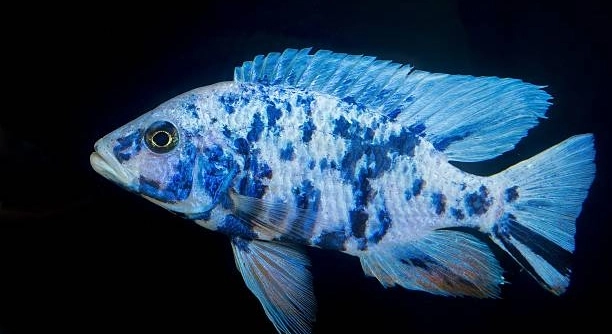
Cichlids are popular aquarium fish known for their vibrant colors and active behavior. Feeding them the right diet is important for their health and well-being. Knowing what foods to avoid can help maintain a balanced and safe environment.
Certain foods can harm cichlids by causing digestive issues, poor nutrition, or toxicity. Avoid feeding them bread, processed human snacks, raw meats, and foods high in fat or salt. These items disrupt their natural diet and overall health.
Learning what to avoid can protect your fish and improve their lifespan. This article highlights key foods that are unsafe for cichlids to ensure they thrive in your care.
Bread and Processed Foods
Bread and many processed human snacks seem harmless but can be harmful to cichlids. These foods contain ingredients that fish cannot digest properly. Bread often swells in the stomach, which may cause blockages or bloating. Processed foods tend to have additives, preservatives, and high levels of salt or sugar, all of which can upset the delicate balance of a cichlid’s diet. Over time, feeding these foods can lead to poor health, reduced immune function, and even death. It is best to avoid giving any bread, crackers, chips, or similar items to your fish. Instead, focus on foods designed specifically for cichlids or fresh, natural options that support their dietary needs.
Bread and processed foods offer little nutritional value and may cause water quality issues when uneaten. They should never be part of your fish’s regular diet.
Keeping your aquarium clean is easier when you feed appropriate foods. Bread and processed snacks can quickly pollute the water, increasing ammonia and nitrate levels. This affects not only your cichlids but also other aquatic life in the tank. Proper food choices help maintain water quality, reducing maintenance and stress on your fish. Prioritize specially formulated pellets or flakes made for cichlids, as these contain the right nutrients. Supplement with occasional live or frozen foods like brine shrimp or bloodworms to mimic their natural diet. Avoid overfeeding to prevent leftover food from decomposing and harming the tank environment. Healthy feeding habits promote vibrant colors and active behavior in your cichlids, making your aquarium more enjoyable to watch.
Raw Meats and High-Fat Foods
Raw meats and fatty foods should never be given to cichlids. These items are hard to digest and may introduce harmful bacteria or parasites into the tank.
High-fat foods can cause liver damage and disrupt metabolism in cichlids. Fatty scraps from humans or pets are not suitable for fish.
Feeding raw meat is risky because it often contains pathogens that can cause infections or illness. Cichlids evolved to eat insects, small invertebrates, and plant matter, not raw muscle tissue. Excess fat can accumulate and interfere with their digestive systems, leading to slow growth and poor overall health. If you want to provide protein, opt for clean, properly prepared options like frozen or live insects. Avoid fatty cuts or leftover meat from your kitchen. Keeping their diet low in fat and rich in appropriate nutrients supports their immune system and longevity. Remember that the wrong food choices can have long-lasting effects on your fish’s well-being, so it is important to stay informed and feed responsibly.
Foods High in Salt
Foods with high salt content can be very dangerous to cichlids. Salt can disrupt their internal balance and lead to dehydration.
Salt affects the osmoregulation process in fish, which controls the water and salt balance in their bodies. When cichlids consume salty foods, it stresses their kidneys and gills, causing health problems. High salt intake can lead to lethargy, loss of appetite, and increased vulnerability to disease. Even small amounts of salted human snacks or leftovers should be avoided. Maintaining a low-salt diet helps keep your fish’s bodily functions running smoothly.
In aquariums, salt buildup from food can also harm beneficial bacteria in the filter system. This affects water quality and the overall health of your tank. Feeding low-salt foods ensures a healthier environment for all aquatic life and reduces the risk of salt-related issues.
Dairy Products
Dairy products like milk, cheese, or yogurt should never be fed to cichlids. Fish cannot digest lactose, the sugar found in dairy, which can cause digestive upset.
Feeding dairy to cichlids often results in bloating, diarrhea, and nutrient absorption problems. The fish’s digestive system is not designed to handle dairy, which can lead to discomfort and even death in severe cases. Additionally, dairy products can pollute aquarium water quickly, leading to poor water quality. Keeping your fish’s diet free from dairy helps maintain their health and the cleanliness of their tank.
There are better protein and calcium sources available for cichlids that support their dietary needs without risking harm. Stick to foods formulated for their species or natural alternatives like algae and insects to keep them thriving.
Citrus Fruits
Citrus fruits like lemons and oranges are too acidic for cichlids. The high acid content can irritate their digestive systems.
Acidity from citrus can change the water’s pH level, stressing the fish and harming beneficial bacteria. Avoid adding citrus or any citrus-based food to their diet.
Iceberg Lettuce
Iceberg lettuce has little nutritional value for cichlids and can cause digestive problems. It often leads to constipation and poor digestion.
Instead, offer leafy greens like spinach or kale that provide vitamins and fiber, which help keep your fish healthy and active.
Chocolate and Sweets
Chocolate and sugary sweets are toxic to cichlids. They contain chemicals and sugars that fish cannot process.
Even small amounts can cause severe health problems or death. Keep all candies, chocolates, and sugary snacks away from your aquarium environment.
FAQ
What happens if cichlids eat bread or processed foods?
Bread and processed foods can cause serious digestive problems for cichlids. These foods often expand in the stomach, leading to blockages or bloating. The additives and preservatives in processed snacks can also be toxic. Over time, feeding these can weaken their immune system and shorten their lifespan.
Can cichlids eat raw meat?
Raw meat is not suitable for cichlids. It is difficult for them to digest and may contain harmful bacteria or parasites. Instead, it’s better to offer frozen or live foods like brine shrimp or bloodworms, which are safer and provide the right nutrients.
Is it safe to feed cichlids salty snacks?
No, salty foods are harmful to cichlids. Excess salt disrupts their internal balance and can lead to dehydration. It also stresses their organs, causing lethargy and health issues. Always avoid feeding anything with added salt.
Why shouldn’t cichlids eat dairy products?
Cichlids cannot digest lactose, the sugar in dairy. Feeding them dairy can cause bloating, diarrhea, and digestive distress. Additionally, dairy products pollute the aquarium water quickly, harming the tank environment.
Can citrus fruits harm cichlids?
Yes, citrus fruits are too acidic and can irritate cichlids’ digestive systems. They can also lower the aquarium’s pH, which stresses the fish and damages beneficial bacteria.
Is iceberg lettuce a good food for cichlids?
Iceberg lettuce is not recommended because it has little nutrition and can cause constipation. Better options include spinach and kale, which provide important vitamins and fiber.
What are the risks of feeding chocolate or sweets to cichlids?
Chocolate and sweets contain toxic chemicals and sugars that fish cannot process. Even small amounts can cause severe illness or death, so these should never be given to cichlids.
How can I ensure my cichlids get a balanced diet?
Feed a variety of foods made for cichlids, including pellets or flakes that meet their nutritional needs. Supplement with live or frozen insects and some vegetables like spinach or peas. Avoid harmful foods and do not overfeed.
What are signs my cichlid ate something harmful?
Look for symptoms like bloating, loss of appetite, lethargy, abnormal swimming, or changes in color. Water quality may also decline if uneaten harmful foods pollute the tank. Promptly remove uneaten food and monitor your fish closely.
How often should I feed my cichlids?
Feed adult cichlids once or twice daily, giving only as much food as they can consume in a few minutes. Overfeeding leads to health problems and poor water quality.
Can leftover food harm my aquarium?
Yes, leftover food decomposes and raises toxins like ammonia and nitrates. This stresses fish and encourages algae growth. Always remove uneaten food to keep the tank clean and safe.
Are there safe human foods I can feed cichlids?
Some human foods like boiled peas (without skin) and small amounts of cooked vegetables can be safe. Avoid anything processed, salty, fatty, or acidic. Always research before introducing new foods.
How do I transition my cichlids to a better diet?
Introduce new foods gradually, mixing them with their current diet. Watch how your fish respond and remove any leftovers. Patience is key to avoid stress and digestive issues.
Can cichlids survive on flakes alone?
While flakes can be a good staple, relying only on them may lead to nutritional gaps. A varied diet with live or frozen foods and some plant matter keeps cichlids healthier and more vibrant.
Is it okay to feed my cichlids frozen foods daily?
Frozen foods are excellent but should be part of a balanced diet, not the only source. Rotate with pellets and vegetables to ensure a wide range of nutrients.
What should I do if my cichlid eats something harmful accidentally?
Remove any harmful food from the tank immediately. Improve water quality with partial water changes. Observe your fish for signs of distress and consult a vet or fish expert if symptoms persist.
Caring for cichlids means paying close attention to their diet. What you feed them directly affects their health, behavior, and lifespan. Many common foods that seem harmless, like bread, processed snacks, or salty human treats, can cause serious problems for cichlids. These foods often contain ingredients that fish cannot digest or that disrupt their natural body functions. Over time, feeding the wrong items can weaken their immune system, cause digestive issues, or even lead to death. It is important to stick to foods made specifically for cichlids or natural options that suit their dietary needs.
Avoiding harmful foods not only benefits the fish but also helps maintain a healthy aquarium environment. Uneaten or unsuitable foods can quickly pollute the water, increasing ammonia and nitrate levels, which stresses all aquatic life. Feeding the right foods in appropriate amounts reduces waste and keeps water quality stable. This makes tank maintenance easier and creates a safer home for your cichlids and any other fish or plants in the aquarium. Clean water and a proper diet work together to promote vibrant colors, active swimming, and long-term health.
Feeding cichlids well does not have to be complicated. Using high-quality pellets or flakes designed for their species, along with occasional live or frozen foods, can provide a balanced and nutritious diet. Supplementing with some safe vegetables helps meet their fiber and vitamin needs. Always avoid foods that are salty, fatty, acidic, or contain preservatives. Watching your fish for signs of distress or poor health can help you adjust their diet when needed. With careful attention and consistent feeding habits, your cichlids can thrive and bring life to your aquarium for years to come.

Hello,
If you enjoy the content that we create, please consider saying a "Thank You!" by leaving a tip.
Every little bit helps us continue crafting quality advice that supports the health, happiness, and well-being of pets around the world, for pets of all shapes, sizes, and species.
We really appreciate the kindness and support that you show us!