
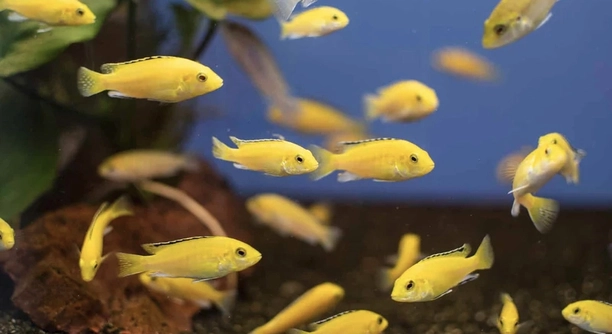
Keeping a cichlid tank calm and peaceful is important for both fish and owner. Choosing the right filter can help maintain water quality while minimizing noise. Quiet filters allow you to enjoy your aquarium without constant buzzing sounds.
The quietest cichlid tank filters typically use sponge or canister designs that reduce motor noise and vibrations. These filters provide effective water circulation and biological filtration with minimal disturbance to the tank environment, making them ideal for sensitive or noise-conscious setups.
Selecting the right filter affects both fish health and home comfort. Understanding what makes some filters quieter helps you create a peaceful tank atmosphere.
Types of Quiet Cichlid Tank Filters
There are several types of filters that work quietly in a cichlid tank. Sponge filters are popular because they use air pumps, which produce very little noise. They also provide good biological filtration, helping beneficial bacteria grow. Canister filters are another option; they sit outside the tank and use water pumps designed to run quietly. These filters move water through multiple filter media to clean it effectively. Hang-on-back (HOB) filters are common but can be noisier unless they have quiet operation features. Internal filters tend to be louder because the motor runs inside the tank, but some models are built with noise reduction in mind. Choosing the right filter depends on your tank size, your fish’s needs, and how much noise you can tolerate. Quiet operation often comes with better design and proper maintenance to reduce vibrations and water splashing sounds.
Sponge and canister filters are generally the best choices for quiet operation in cichlid tanks.
Using the right filter helps keep your fish healthy while maintaining a peaceful environment. Proper setup and regular cleaning will keep the noise low and the water clear. Quiet filters also reduce stress for both fish and owner, making the tank more enjoyable to watch and care for.
How to Maintain a Quiet Filter
Keeping a filter quiet involves regular maintenance and careful placement. Filters can become noisy when parts wear out or get clogged with debris. Cleaning the filter media on a schedule helps prevent buildup that causes strain on the motor. Make sure to rinse sponges or cartridges with tank water to avoid killing beneficial bacteria. Checking that all parts are securely fastened reduces rattling sounds. Sometimes, filters are noisy because they vibrate against the tank or stand. Using rubber pads or placing the filter on a soft surface can absorb vibrations. Also, avoid water splashing by adjusting the filter’s output flow or the water level. Small changes in placement and cleaning can make a big difference in noise levels.
A quiet filter is easier to maintain with simple, consistent care.
Filters need attention to stay quiet and efficient. Worn impellers or loose parts should be replaced quickly. Adjusting the water flow can reduce noise without harming filtration performance. If the filter is still too loud, consider upgrading to a model designed for silent operation. Remember, quiet filters not only improve your experience but also create a calm space for your cichlids. Regular maintenance and thoughtful setup will ensure your tank stays peaceful and your fish stay healthy for a long time.
Choosing the Right Filter Size
A filter must match the size of your cichlid tank to work quietly and efficiently. Too small a filter will struggle, causing noise from overworking. Too large may be unnecessarily loud and waste energy.
Choosing the right size involves checking the filter’s flow rate and the tank’s volume. Most filters list gallons per hour (GPH). Aim for a flow rate about 4 to 5 times the tank’s volume per hour. For example, a 30-gallon tank should have a filter rated around 120-150 GPH. This ensures proper water turnover without stressing the filter motor. A well-sized filter runs smoothly and quietly, maintaining good water quality for your fish.
Proper sizing also helps avoid extra noise caused by strain or vibrations. Filters working within their capacity perform better and last longer. It also means less frequent cleaning and fewer issues with clogging, keeping noise levels down and your cichlid tank peaceful.
Filter Placement Tips for Noise Reduction
Placing your filter correctly reduces noise and vibrations. Avoid direct contact with the tank glass or stand, which can amplify sound.
Use foam pads or rubber mats under the filter to absorb vibrations. This simple step can significantly lower humming and buzzing noises. Also, position the filter away from corners to prevent sound reflections inside the tank area. Adjust the output nozzle to reduce water splashing, which is a common noise source. Keeping the filter slightly below the water surface helps reduce gurgling sounds.
Filters placed thoughtfully in the tank area maintain a quieter environment. Adjusting flow rates and positioning the filter for minimal vibration and splash noise makes a noticeable difference. Proper placement not only improves quiet operation but also helps maintain the overall health of your cichlids by ensuring steady water circulation.
Common Causes of Filter Noise
Filters often get noisy due to worn-out parts or clogged media. Impellers can wear down, causing grinding sounds. Debris buildup restricts water flow, making the motor work harder and louder.
Loose components or improper assembly also create rattling noises. Regular checks help catch these issues early, keeping noise to a minimum.
Benefits of Silent Filter Models
Silent filter models use advanced designs to reduce noise. They often feature improved impellers, better seals, and sound-dampening materials. These filters provide smooth water flow with minimal vibration. Using quieter motors also lowers operational noise. This technology helps maintain a peaceful tank environment, perfect for sensitive cichlids. Silent filters balance performance with comfort, making aquarium care easier and more enjoyable.
When to Replace Your Filter
Filters should be replaced if noise persists despite cleaning and maintenance. Worn motors or broken parts reduce efficiency and increase sound. Upgrading to a newer, quieter model can improve tank conditions and your overall experience.
FAQ
What makes a cichlid tank filter quiet?
A quiet cichlid tank filter usually has a well-designed motor that runs smoothly without vibration. Filters with slow-moving impellers and good sound insulation materials reduce noise. Sponge and canister filters are known for quiet operation because they have fewer moving parts inside the tank and use air or water pumps designed for low sound.
How often should I clean my filter to keep it quiet?
Cleaning your filter every 2 to 4 weeks is a good rule of thumb. Regular cleaning prevents debris buildup, which causes the motor to work harder and louder. Always rinse filter media with tank water to protect beneficial bacteria and avoid harsh scrubbing that could damage parts or increase noise.
Can the filter size affect how noisy it is?
Yes, an incorrectly sized filter can be noisier. A filter that is too small may overwork and create more noise. A filter that is too large may cause excess water flow and splashing. Choosing a filter with the right flow rate for your tank keeps it running smoothly and quietly.
Is a canister filter better for quiet operation than a hang-on-back filter?
Generally, yes. Canister filters sit outside the tank and use tubing to move water, which reduces vibrations inside the aquarium. Hang-on-back filters can be louder because their motors are directly exposed to the air and water. However, some HOB filters are designed with quiet operation in mind, so quality and design matter.
What causes rattling sounds in filters, and how can I fix them?
Rattling often happens when parts are loose or worn out. Check that the impeller and motor housing are tightly secured. Replacing old or damaged parts usually solves the problem. Placing a rubber mat under the filter can also help reduce vibrations that cause rattling.
Can filter placement reduce noise?
Yes, placing your filter on a soft surface or using foam pads can absorb vibrations and lower noise. Avoid direct contact with the tank glass or hard surfaces. Position the filter so water splashing is minimized. Adjust the output flow to reduce splashing sounds and keep the water surface calm.
Are sponge filters suitable for all cichlids?
Sponge filters are great for small to medium cichlid tanks and for breeding setups because they provide gentle filtration and oxygenation. However, they may not be powerful enough for larger tanks or very messy cichlid species. For those, a canister or high-quality hang-on-back filter might be better.
How can I reduce gurgling or bubbling noises from the filter?
Gurgling usually happens when air gets trapped in the filter tubing or water output. Check that tubes are properly connected and free of kinks. Lowering the water level slightly can help reduce air intake. Adjusting the output flow to avoid water splashing against the tank surface also decreases noise.
Is it normal for filters to make some noise?
Yes, all filters make some noise, but the goal is to keep it minimal and not distracting. Low humming or gentle water movement sounds are common and usually not a problem. Loud grinding, rattling, or splashing noises often indicate a maintenance issue or a poorly sized filter.
When should I consider replacing my filter?
If you have cleaned and maintained the filter but it still makes excessive noise or performs poorly, it may be time to replace it. Worn motors and damaged parts reduce efficiency and increase sound. Upgrading to a quieter, more efficient model improves both your tank environment and your enjoyment.
Choosing the right filter for a cichlid tank is important for both the health of the fish and the comfort of the owner. A quiet filter helps maintain a peaceful atmosphere around the tank, making it easier to enjoy the fish without being disturbed by loud noises. Quiet filters like sponge and canister models are effective at cleaning the water while producing minimal sound. It is important to consider the size of the filter, the design, and how it is placed in the tank area to keep noise levels low.
Proper maintenance plays a big role in keeping a filter quiet over time. Regular cleaning of the filter media prevents buildup that can make the motor work harder and louder. Checking parts for wear and tear and replacing them as needed helps avoid rattling and grinding noises. Adjusting the filter’s flow rate and positioning it correctly in the tank area also reduces splashing and vibrations. Small changes in how a filter is cared for and set up can make a noticeable difference in noise levels.
Quiet filters improve not just the sound environment but also the overall health of the cichlids. A calm tank reduces stress for the fish, which supports their well-being and longevity. Investing in a quiet, efficient filter and keeping up with maintenance ensures the tank stays clean and peaceful. This creates a better experience for both the fish and the person caring for them. In the end, a quiet filter is a smart choice that benefits everyone involved.

Hello,
If you enjoy the content that we create, please consider saying a "Thank You!" by leaving a tip.
Every little bit helps us continue crafting quality advice that supports the health, happiness, and well-being of pets around the world, for pets of all shapes, sizes, and species.
We really appreciate the kindness and support that you show us!