
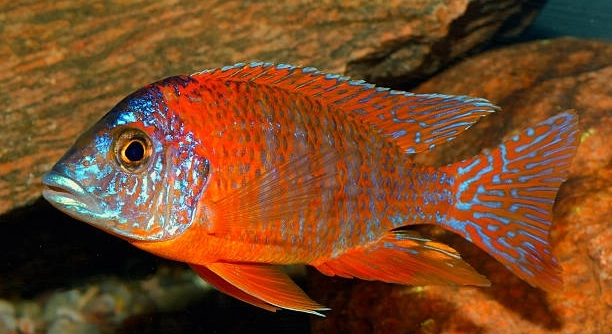
Cichlids are known for their unique and sometimes puzzling behaviors. Observing these fish can reveal actions that seem strange but often have specific meanings. Understanding these behaviors can improve how you care for them.
Certain unusual cichlid behaviors, such as fin flaring, digging, or chasing, often indicate communication, territorial defense, mating rituals, or stress responses. Recognizing these patterns is essential for maintaining their health and creating a balanced aquarium environment.
Exploring these behaviors helps deepen your connection with cichlids and supports their well-being in your care.
Fin Flaring: A Sign of Dominance
Fin flaring is one of the most noticeable behaviors in cichlids. When a cichlid spreads its fins wide, it usually means the fish is trying to appear larger and more intimidating. This behavior is often seen when defending territory or establishing dominance among tank mates. It can also occur during mating displays to attract a partner. While it might look aggressive, fin flaring is a natural way for cichlids to communicate. Observing the frequency and intensity can help you understand if your fish feels threatened or is simply showing off. If fin flaring happens often with no clear reason, it may indicate stress or overcrowding in the tank. Keeping the aquarium environment stable and providing enough space can reduce this behavior and promote peace among your fish.
Fin flaring serves as both a warning and a social signal to other fish. It is rarely harmful but should be monitored.
Watching fin flaring gives insight into your cichlid’s mood and social status. This behavior reflects the fish’s natural instincts and helps maintain the tank’s social balance. By recognizing fin flaring early, you can prevent fights and ensure a healthier environment. It also helps you adjust tank conditions if your cichlid is stressed. Proper care, like hiding spots and balanced tank mates, will keep fin flaring at a normal level, allowing your cichlids to thrive peacefully.
Digging and Rearranging Substrate
Cichlids often dig in the substrate as a natural behavior. This can mean they are preparing a spot for laying eggs or simply exploring their environment. Some species are known for their strong digging tendencies, which can lead to rearranged tank decorations or uprooted plants. This behavior can be frustrating if it disrupts the aquarium setup, but it is important for the fish’s mental and physical health. Digging also helps cichlids feel more secure by creating hiding spaces. Providing a soft, sandy substrate encourages this behavior in a way that won’t harm the tank. Watching how your cichlid digs can reveal whether it is stressed or content. If digging becomes excessive, it may be a sign of boredom or lack of stimulation in the tank.
Digging helps cichlids engage with their environment and prepare nesting sites. It supports their natural instincts.
By understanding digging behavior, you can create a tank that suits your cichlid’s needs. Providing ample space and appropriate substrate reduces stress and supports natural habits. Rearranging decorations may be a sign your cichlid needs more enrichment. Adding plants or hiding spots offers stimulation, reducing excessive digging. Monitoring this behavior also helps detect health issues early. Adjusting diet, tank mates, or environment based on your observations keeps your cichlid comfortable and happy. Digging is an important part of their behavior, reflecting their natural lifestyle in the wild.
Chasing and Aggression
Chasing is a common aggressive behavior in cichlids. It often happens when they feel their territory is threatened or when establishing dominance within the tank.
This behavior can cause stress to other fish and sometimes lead to injury if it becomes excessive. Chasing usually occurs between males or when a new fish is introduced. It is important to monitor tank dynamics and ensure there is enough space and hiding places. Sometimes rearranging the tank or separating aggressive individuals helps reduce this behavior. Proper feeding and environmental enrichment can also decrease aggression.
Understanding chasing behavior helps you keep a peaceful tank. Managing social hierarchies and providing space are key to reducing stress and aggression among your cichlids.
Mouth Brooding and Parenting
Many cichlids display mouth brooding, where parents protect eggs and fry in their mouths for safety. This behavior shows strong parental care and increases offspring survival rates. Mouth brooding requires special attention to the fish’s environment and diet to support their energy needs. Providing quiet and safe areas in the tank during this time minimizes stress for both parents and young. Observing this behavior can be rewarding and offers insight into cichlid family dynamics. Supporting your cichlids during brooding is essential for their health and successful breeding.
Color Changes
Cichlids often change color depending on mood, health, or environment. Bright colors usually mean the fish is healthy and confident.
Dull or faded colors can indicate stress, illness, or poor water conditions. Watching color shifts helps spot problems early.
Tail Drumming
Tail drumming is a repetitive tapping behavior seen mostly during mating or territorial displays. It signals readiness or warning to other fish. This action helps cichlids communicate without physical fights.
Head Bobbing
Head bobbing is a quick forward and backward movement. It often shows excitement or an attempt to attract a mate. This behavior is part of the natural interaction among cichlids and reflects their social nature.
FAQ
Why do cichlids flare their fins at other fish?
Fin flaring is mainly a display of dominance or territorial warning. Cichlids use this behavior to look bigger and more threatening to rivals. It’s their way of setting boundaries without fighting. Sometimes, it also happens during mating to impress a partner.
Is digging harmful to my aquarium?
Digging is natural and usually not harmful if the tank is properly set up. Cichlids dig to create hiding spots or prepare nesting areas. Using a sandy substrate helps protect plants and decorations from damage. If digging becomes excessive, adding more hiding places or rearranging the tank can calm the fish.
How can I reduce aggression between cichlids?
Aggression often comes from overcrowding or lack of space. Providing plenty of hiding spots and visual barriers helps. Avoid keeping too many males together. Feeding on schedule and maintaining good water quality also reduces stress, which lowers aggression.
Why do cichlids sometimes chase each other?
Chasing is a way to defend territory or show dominance. It usually occurs when a new fish is introduced or when territories overlap. Chasing can cause stress, so watch for injuries or constant harassment. Separating aggressive fish or rearranging the tank can help.
What does mouth brooding mean?
Mouth brooding is when parent cichlids carry eggs or fry in their mouths for protection. This behavior increases survival chances for the young. During this time, parents may eat less or hide more. Providing a quiet, safe tank environment is important to support them.
Why do cichlids change color?
Color changes are signals about their mood, health, or stress level. Bright, vibrant colors usually mean the fish is healthy and comfortable. Duller colors can indicate illness, stress, or poor water conditions. Regular observation helps detect problems early.
What is tail drumming and why does it happen?
Tail drumming is a rhythmic tapping of the tail, often seen during mating or when marking territory. It’s a non-aggressive way to communicate readiness or send warnings. This helps prevent physical fights by signaling intentions clearly.
Is head bobbing normal behavior?
Yes, head bobbing is common and usually means excitement or an attempt to attract mates. It’s part of cichlids’ social interactions and indicates they are alert and engaged with their environment.
How can I tell if my cichlid is stressed?
Signs of stress include hiding more than usual, faded colors, loss of appetite, or excessive fin flaring. Stress often results from poor water quality, overcrowding, or aggressive tank mates. Keeping the tank clean, stable, and well-planted helps reduce stress.
What should I do if two cichlids keep fighting?
If fighting continues, try separating the fish or adding more decorations to break lines of sight. Ensuring enough space and hiding spots can calm aggression. In some cases, rehoming the more aggressive fish may be necessary for peace.
Can cichlids live peacefully with other fish species?
It depends on the species and tank setup. Some cichlids are more aggressive and may not mix well with smaller or less territorial fish. Researching compatible species and providing ample space and hiding spots can increase chances of harmony.
Why does my cichlid rearrange tank decorations?
This is related to their digging behavior and natural instinct to claim territory or prepare nesting sites. While it may disrupt your setup, it helps the fish feel secure and less stressed.
How often should I observe my cichlids’ behavior?
Daily observation is best. Watching their behavior regularly helps spot early signs of illness, stress, or social problems. Early detection allows quick adjustments to improve their environment.
What can I do to keep cichlids mentally stimulated?
Providing a varied environment with plants, rocks, and hiding places keeps cichlids active. Changing decorations occasionally and offering diverse foods also encourages natural behaviors and reduces boredom.
Understanding cichlid behaviors helps improve how you care for these fish. Many of their actions, even the strange or unusual ones, serve important purposes. Behaviors like fin flaring, digging, or mouth brooding are ways cichlids communicate, protect themselves, or care for their young. Recognizing these signs gives insight into their needs and moods. When you know what to expect, it becomes easier to create a comfortable environment for them. This leads to healthier fish and a more peaceful aquarium.
Maintaining a balanced tank is key to reducing stress and unwanted aggression. Proper space, hiding spots, and compatible tank mates help minimize conflicts like chasing or fin flaring. Keeping the water clean and stable also plays a big role in their well-being. When cichlids are less stressed, they show brighter colors and behave more naturally. Offering enrichment through plants or decorations can reduce boredom, which often leads to destructive digging or other problem behaviors. Paying attention to these details supports a healthy aquarium ecosystem.
Caring for cichlids requires patience and observation. Each fish may display behaviors slightly differently depending on species and personality. Taking time to learn their signals helps you respond appropriately. This may include adjusting the tank setup, feeding routines, or separating aggressive individuals when necessary. With consistent care and attention, your cichlids will thrive, showing their unique behaviors in a way that is interesting and enjoyable to watch. Being aware of these natural habits makes fishkeeping more rewarding and ensures a happy home for your cichlids.

Hello,
If you enjoy the content that we create, please consider saying a "Thank You!" by leaving a tip.
Every little bit helps us continue crafting quality advice that supports the health, happiness, and well-being of pets around the world, for pets of all shapes, sizes, and species.
We really appreciate the kindness and support that you show us!