
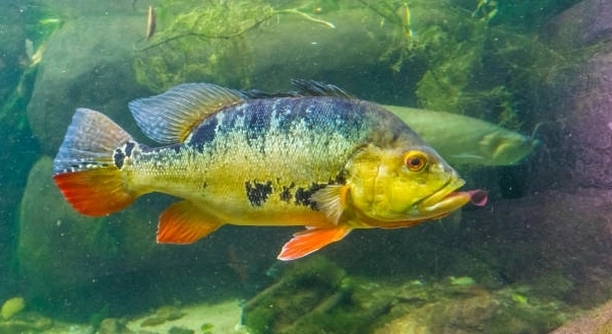
African cichlids are popular aquarium fish known for their vibrant colors and active behavior. Many fishkeepers wonder if these cichlids need companions in their tanks to thrive. Their social needs can vary depending on species and environment.
African cichlids generally benefit from having tank mates, as they are social fish that exhibit complex behaviors. However, compatibility is crucial since aggressive tendencies require careful selection of suitable companions to maintain a balanced aquarium environment.
Learning about the best tank buddy choices can improve your cichlids’ well-being and create a more harmonious aquarium space.
Why African Cichlids Often Need Tank Buddies
African cichlids naturally live in groups in lakes and rivers. This social environment helps them feel secure and stimulates natural behaviors like exploring and establishing territories. Without companions, these fish can become stressed or bored, which may lead to health problems or aggression. However, not all cichlid species behave the same way. Some are more territorial and prefer solitude, while others thrive in small groups. When setting up a tank, it’s important to consider the species’ social habits. Providing enough space and hiding spots can reduce conflicts. Properly matched tank mates can encourage natural interactions and keep the fish active. Observing your cichlids closely helps you adjust the number and types of companions. Balancing their social needs with the tank size and environment is key to maintaining healthy, vibrant fish.
Adding suitable companions is beneficial for most African cichlids, but careful planning is essential to avoid stress and aggression.
Understanding how your cichlids interact with each other will improve their quality of life and make your aquarium more engaging to watch.
Choosing Compatible Tank Buddies
Not every fish gets along with African cichlids. Selecting tank mates requires attention to temperament, size, and water conditions. Avoid slow-moving or timid fish that may become targets of aggression. Ideal companions share similar water requirements and can handle the cichlids’ territorial nature. Some species of catfish, larger tetras, or other robust cichlids can coexist peacefully if introduced carefully. When adding new fish, it is best to monitor interactions closely during the first few days. Signs of stress or excessive aggression mean adjustments are necessary. Splitting the tank with dividers or rearranging decorations may help reduce conflicts. Keeping the tank well-maintained and providing plenty of hiding spaces supports a balanced community. Choosing the right companions improves the overall tank harmony and creates a natural environment where all fish can thrive.
Managing Aggression in African Cichlid Tanks
Aggression is common among African cichlids, especially males defending territory. Controlling aggression is key to a peaceful tank.
Providing enough space helps reduce fights. Overcrowding makes aggression worse, so a larger tank is better for groups. Using rocks and decorations creates territories that separate fish and reduce conflicts. Regular observation is necessary to spot bullying early. Removing overly aggressive fish can prevent harm to others. Feeding on a strict schedule can lower competition for food, which sometimes triggers aggression. Sometimes adding more fish disperses aggression by spreading it out, but this requires a bigger tank and careful species selection.
Aggression management also means accepting some natural behavior but ensuring it does not lead to injury. Balancing tank size, hiding places, and compatible companions creates a healthier environment for your cichlids.
Benefits of Keeping African Cichlids with Tank Buddies
Having tank buddies encourages natural social behaviors and reduces boredom in African cichlids. Interaction stimulates their mental and physical health.
Tank mates also balance the aquarium ecosystem by sharing space and resources. When chosen carefully, companions help reduce stress and make the tank more visually dynamic. Fish that coexist well together show more active swimming and feeding patterns. A well-arranged community tank feels livelier and more natural. The challenge lies in maintaining harmony, but the rewards include healthier fish and a more interesting aquarium. Proper planning and care lead to a successful community of African cichlids and compatible tank mates.
Signs Your African Cichlids Are Comfortable with Tank Buddies
When cichlids swim calmly and explore together, it shows they are comfortable. Reduced chasing and fewer color changes also indicate peaceful coexistence.
Healthy eating habits and regular activity levels suggest the tank mates are getting along well without stress or fear.
How to Introduce New Fish to Your Cichlid Tank
Introducing new fish requires patience. Start by quarantining new arrivals to avoid diseases. Slowly acclimate them to the tank water by floating their bags or using drip acclimation. Introduce new fish during feeding time to distract existing cichlids and reduce territorial aggression. Rearrange tank decorations before adding newcomers to disrupt established territories and minimize fights. Monitor interactions closely after introduction, prepared to separate fish if needed. This gradual process helps maintain balance and promotes peaceful integration.
Avoiding Overcrowding in African Cichlid Tanks
Overcrowding causes stress and aggression, leading to poor health and water quality problems. Maintaining proper fish density ensures a healthier environment.
FAQ
Do African cichlids always need tank buddies?
Not all African cichlids require tank mates, but most benefit from social interaction. Some species are more territorial and prefer solitude, while others thrive in groups. It depends on the species and individual temperament. Understanding your specific cichlid’s needs helps create the best environment for them.
What are the best tank mates for African cichlids?
Ideal tank mates share similar water conditions and temperaments. Larger catfish, robust tetras, and certain other cichlid species often coexist well. Avoid small, timid, or slow-moving fish because they may be bullied. Research compatibility carefully to ensure a peaceful community.
How many African cichlids can I keep together?
Tank size is the main factor. Overcrowding causes aggression and stress. A larger tank allows more fish but still requires proper spacing and hiding spots. Generally, a 55-gallon tank can house 6 to 10 cichlids, depending on species and size. Monitoring behavior is essential to avoid problems.
How do I reduce aggression between cichlids?
Provide ample space and territories using rocks and plants. Rearranging decorations can disrupt established dominance hierarchies. Feeding regularly and removing overly aggressive individuals also help. Sometimes adding more fish spreads aggression but requires caution and a larger tank.
Can I keep different species of African cichlids together?
Yes, but species must be compatible. Mixing species with very different behaviors or sizes often leads to fights. Choose cichlids with similar aggression levels and environmental needs. Proper research and observation are critical for success.
How do I introduce new fish to an established cichlid tank?
Quarantine new fish first to prevent disease. Acclimate them slowly to tank water. Introduce new fish during feeding time and rearrange tank decorations to minimize territorial aggression. Watch closely for signs of stress or fighting, and be ready to separate fish if needed.
What signs show that cichlids are stressed or unhappy?
Signs include hiding constantly, loss of color, rapid breathing, and reduced appetite. Excessive chasing or injury may also indicate stress. If these behaviors appear, assess tank conditions, companions, and water quality immediately.
Do tank buddies improve the health of African cichlids?
Yes, social interaction reduces boredom and encourages natural behaviors. Active, engaged fish tend to have stronger immune systems. However, only compatible companions provide these benefits—stress from bad matches harms health.
Can African cichlids live alone?
Some species can live alone but may become bored or stressed without companions. Solo cichlids need more stimulation from the environment. Most cichlids do better with at least a few tank mates, depending on personality and species.
How important is tank decoration for African cichlid communities?
Very important. Rocks, caves, and plants create territories and hiding places, reducing aggression. Proper decoration helps fish feel secure and reduces stress. It also encourages natural behavior like exploring and breeding.
What should I do if my cichlids keep fighting despite efforts?
First, ensure the tank is large enough and decorations provide territories. Remove the most aggressive fish if necessary. Sometimes reducing the number of fish or separating species is needed. Frequent monitoring and tank maintenance help maintain balance.
Are there specific water parameters African cichlids need for tank mates?
Yes, most African cichlids prefer hard, alkaline water with a pH between 7.8 and 8.6. Tank mates should thrive under similar conditions to avoid stress and health problems. Testing and adjusting water parameters regularly is essential.
How often should I feed African cichlids when kept with tank mates?
Feed small amounts 2 to 3 times a day. Regular feeding reduces competition and aggression over food. Use high-quality food suitable for cichlids and make sure all fish get enough without overfeeding.
Can tank mates help reduce the territorial behavior of African cichlids?
Sometimes adding more compatible fish can spread aggression across several individuals, lowering intense territorial disputes. However, this works only in a spacious tank with enough hiding places. Poor planning can increase aggression instead.
Is it better to keep African cichlids in species-only tanks?
Species-only tanks reduce the risk of aggression toward different fish types. However, mixing carefully chosen compatible species can create a more dynamic and interesting tank. It depends on your experience and the specific fish involved.
What is the ideal tank size for a community African cichlid tank?
A minimum of 55 gallons is recommended for a small community. Larger tanks provide more space to separate aggressive fish and create territories. Bigger tanks generally mean healthier fish and fewer problems.
How do I know if tank mates are safe for my cichlids?
Observe their behavior closely after introduction. Peaceful swimming, shared feeding, and lack of injuries suggest compatibility. Constant chasing, hiding, or damage means the pairing isn’t safe. Adjust as needed for fish welfare.
Can African cichlids tolerate other freshwater fish outside their region?
Some can, if environmental needs match. However, fish from very different habitats may suffer from stress or disease. It’s best to choose companions adapted to similar water conditions for long-term success.
How often should water changes be done in a cichlid community tank?
Regular water changes, about 20-30% weekly, keep water clean and stable. Good water quality reduces stress and aggression. Monitoring parameters like ammonia, nitrite, and nitrate helps maintain a healthy tank.
Do African cichlids need hiding places when kept with tank mates?
Yes, hiding places reduce stress and allow fish to escape aggression. Rocks, caves, and plants help establish territories and give shy fish refuge. Without these, aggression and stress levels increase significantly.
What happens if tank mates are not compatible with African cichlids?
Incompatible tank mates often get bullied, injured, or stressed. This leads to illness or death. The tank environment becomes tense, making it hard to maintain good water quality and fish health. Compatibility is key to a balanced tank.
African cichlids are fascinating fish that often show better behavior and health when kept with suitable tank buddies. Their natural environment is social, and having companions can encourage natural behaviors such as exploring, establishing territories, and interacting. However, not every cichlid species thrives in groups, so understanding the specific needs of your fish is important. Some prefer solitude or small groups, while others do better in larger communities. Providing the right tank conditions, including adequate space and hiding places, supports peaceful coexistence and reduces stress.
Choosing compatible tank mates is a crucial part of creating a balanced aquarium. Fish that share similar water requirements and temperaments tend to get along better. Avoiding overly aggressive or very timid species helps prevent injuries and stress. Introducing new fish carefully and monitoring interactions closely can prevent many common problems. Even with the best preparation, some level of aggression is natural, so offering territories with rocks or plants and maintaining proper tank size helps manage these behaviors. Regular observation and adjustments based on your fish’s behavior contribute to a healthy environment.
Overall, African cichlids with compatible companions create a more dynamic and lively aquarium. The presence of tank buddies encourages activity and reduces boredom. While managing aggression can be challenging, it is part of keeping these interesting fish. Proper tank setup, careful species selection, and attentive care ensure that your cichlids live comfortably. Understanding their social nature and responding to their needs will result in a more enjoyable and successful aquarium experience.

Hello,
If you enjoy the content that we create, please consider saying a "Thank You!" by leaving a tip.
Every little bit helps us continue crafting quality advice that supports the health, happiness, and well-being of pets around the world, for pets of all shapes, sizes, and species.
We really appreciate the kindness and support that you show us!