
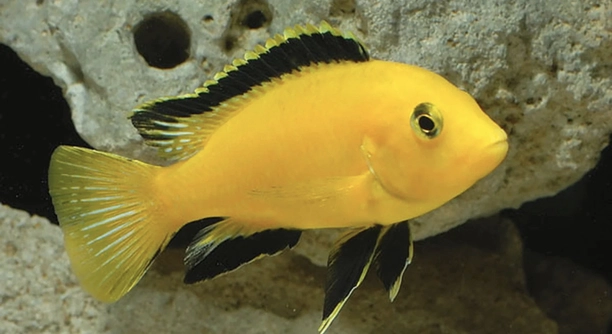
African cichlids are popular freshwater fish known for their vibrant colors and active behavior. Many aquarists enjoy keeping them due to their interesting social dynamics. Understanding how these fish interact can improve their care and tank environment.
African cichlids can form social bonds with each other, showing behaviors such as schooling, establishing hierarchies, and recognizing tank mates. These bonds help reduce stress and promote stable group interactions within their environment.
Learning about these social behaviors can enhance the well-being of your cichlids and create a more harmonious aquarium community.
How African Cichlids Communicate
African cichlids use various signals to communicate with each other. Their body language plays a major role, including fin displays, color changes, and specific swimming patterns. These signals can show dominance, submission, or readiness to mate. In a tank, you might notice certain fish flaring their fins or changing colors to show their mood or status. Vocalizations and chemical cues also help them interact. These communication methods help maintain order within their social groups and prevent constant fighting. Recognizing these behaviors can help you understand when your cichlids are stressed or comfortable, which is important for their health and well-being.
These communication signals help reduce conflicts and keep social groups balanced.
Recognizing how cichlids communicate can improve your ability to manage their tank environment. Knowing when a fish feels threatened or content helps you adjust conditions, preventing stress and aggression. This understanding supports a peaceful community and healthier fish overall.
Creating a Bond Between African Cichlids
Building bonds between African cichlids requires patience and proper tank conditions. Social groups form naturally when fish have enough space, hiding spots, and stable water quality. Aggression often decreases when territory is established. Keeping the right mix of species and numbers also matters. Too few fish or overcrowding can disrupt social balance. Feeding routines and environmental enrichment like rocks and plants encourage positive interactions. Over time, cichlids become more tolerant of each other, showing less fighting and more schooling behavior. Proper care and observation can help maintain these bonds, ensuring a healthier, calmer tank.
Regular monitoring of tank conditions supports stronger social bonds among cichlids. Proper maintenance reduces stress, encouraging peaceful coexistence.
Strong bonds improve cichlid well-being and tank stability. Healthy social groups reduce injuries and stress, making the aquarium more enjoyable to watch. The key lies in balancing space, population, and environmental factors that meet their natural social needs.
Signs of Bonding in African Cichlids
Bonding among African cichlids shows in their behavior. They swim together, share territories, and display less aggression over time.
When cichlids bond, they often form small groups or schools that move in sync. They may groom each other or share hiding spots. Reduced chasing and fighting is a clear sign that social bonds have developed. Some fish even protect weaker or injured group members. These behaviors reflect a level of trust and social structure in the tank. Observing these signs helps confirm your fish are comfortable and connected.
Recognizing bonding behaviors allows you to provide better care. When fish show peaceful interactions, it means their environment meets social and physical needs. This knowledge helps maintain balance and reduces stress for all tank inhabitants.
Challenges to Bonding
Aggression is a common challenge in cichlid bonding. Territorial disputes and competition for food can disrupt social harmony.
Maintaining a balanced environment is crucial to minimize aggression. Overcrowding often causes stress, increasing fights. Inadequate hiding places make it harder for fish to escape conflicts, leading to injuries. Introducing new fish without proper quarantine or acclimation can also cause tension. Careful planning, regular tank maintenance, and monitoring behavior are necessary. Adjusting conditions such as water quality, space, and diet helps create a more peaceful community. When challenges arise, separating aggressive individuals may be needed to protect the group and encourage bonding over time.
Supporting Social Bonds
Providing enough space in the tank helps cichlids form stable bonds. Crowded tanks increase stress and aggression.
Adding rocks, plants, and hiding spots encourages peaceful interactions. These elements allow fish to establish territories and avoid conflict.
Feeding and Bonding
Feeding routines impact social harmony. Regular, consistent feeding reduces competition and aggression among cichlids.
Offering varied, high-quality food ensures all fish get enough nutrition. This prevents food-related disputes and supports overall health.
When Bonding Fails
Sometimes, cichlids may never bond despite efforts. Persistent aggression or stress indicates poor compatibility.
In these cases, separating fish or adjusting tank conditions can help restore balance and reduce harm.
FAQ
Can African cichlids bond with fish of other species?
African cichlids sometimes form loose associations with other fish, but strong bonds usually happen within their own species or closely related types. Mixing different species can work if they share similar temperaments and tank requirements, but bonding is less common across very different fish.
How long does it take for African cichlids to bond?
Bonding time varies depending on the tank setup, species, and individual fish personalities. Generally, it can take weeks to months. Providing enough space and stable conditions speeds up this process. Patience is key since social groups develop gradually.
Does tank size affect bonding?
Yes, tank size is very important. Larger tanks give fish space to establish territories and avoid constant conflicts. Overcrowded tanks cause stress and make bonding difficult. A properly sized tank allows for better social balance and healthier relationships.
What role does water quality play in bonding?
Good water quality reduces stress, which directly impacts social interactions. Poor water conditions make fish irritable and prone to aggression, breaking down bonds. Regular maintenance and testing keep water parameters stable, supporting peaceful behavior.
Can bonding reduce aggression?
Yes, bonded cichlids tend to show less aggression toward each other. Social bonds create a sense of hierarchy and familiarity, reducing fights. However, some aggression is natural, especially during breeding or territory defense.
Are some species more likely to bond than others?
Certain African cichlid species are more social and prone to bonding, such as those from Lake Malawi. Others may be more territorial or aggressive, making bonding harder. Researching species behavior helps choose fish that can coexist peacefully.
How can I tell if my cichlids are stressed?
Signs of stress include hiding, loss of color, erratic swimming, and constant chasing. Stressed fish are less likely to bond and more likely to fight. Addressing tank conditions and social environment helps reduce stress.
What if two cichlids just won’t get along?
Sometimes, despite efforts, individual fish may not bond. If aggression is severe, separating them is best to prevent injuries. Rearranging the tank layout or adding more hiding spots may help improve tolerance.
Does feeding schedule affect bonding?
Yes, regular feeding reduces competition and aggression over food. Inconsistent or insufficient feeding can increase stress and fighting. Providing a balanced diet at consistent times supports calmer social behavior.
Can bonded cichlids share territory?
Bonded cichlids often share or respect each other’s territories. This cooperation helps reduce conflict and stress. However, territory sharing depends on species and individual personalities.
Is it necessary to keep African cichlids in groups?
Cichlids are social fish and usually do better in groups. Groups allow natural social behaviors like schooling and hierarchy formation. Keeping them alone can cause stress and reduce natural interactions.
How do breeding behaviors affect bonding?
During breeding, aggression often increases as fish defend nests or mates. This can temporarily disrupt bonds. After breeding, social harmony usually returns if the environment is stable.
What environmental changes can improve bonding?
Adding plants, rocks, and caves helps fish establish territories and hide from aggressors. Stable water parameters and adequate tank size also improve social interactions. Avoid sudden changes to prevent stress.
Can bonding improve the health of cichlids?
Yes, bonded fish experience less stress, which boosts their immune system and overall health. Stress weakens fish, making them more prone to disease, so peaceful social groups contribute to longevity.
How often should I monitor social behavior?
Daily observation is ideal to catch signs of aggression or stress early. Regular monitoring allows you to intervene before problems escalate and supports a peaceful tank environment.
African cichlids are fascinating fish with complex social behaviors. Understanding whether they can bond helps in creating a better environment for them. These fish do form social bonds through communication, shared territories, and group behaviors. Recognizing their ways of interaction allows owners to provide care that supports these natural instincts. Proper tank setup, including space, hiding spots, and stable water quality, plays an important role in encouraging these bonds. When conditions are right, cichlids tend to be less aggressive and more peaceful with each other.
Even though bonding is possible, it does not mean cichlids will always get along perfectly. Their natural instincts include some level of competition and territory defense. Aggression can still happen, especially when space is limited or during breeding times. It is important to watch their behavior closely and be ready to make adjustments if needed. This could include rearranging the tank, providing more hiding places, or separating overly aggressive individuals. A balanced approach to their care helps maintain a stable social environment where bonds can grow.
Overall, bonding among African cichlids depends on many factors, including species, tank conditions, and individual personalities. Supporting their social needs with proper care improves their well-being and reduces stress. Watching for signs of bonding, like schooling and peaceful cohabitation, is a good way to measure success. Understanding these aspects not only helps maintain a harmonious tank but also makes keeping African cichlids a more enjoyable experience. Taking time to observe and adjust the environment when necessary ensures that these colorful fish can thrive together.

Hello,
If you enjoy the content that we create, please consider saying a "Thank You!" by leaving a tip.
Every little bit helps us continue crafting quality advice that supports the health, happiness, and well-being of pets around the world, for pets of all shapes, sizes, and species.
We really appreciate the kindness and support that you show us!