
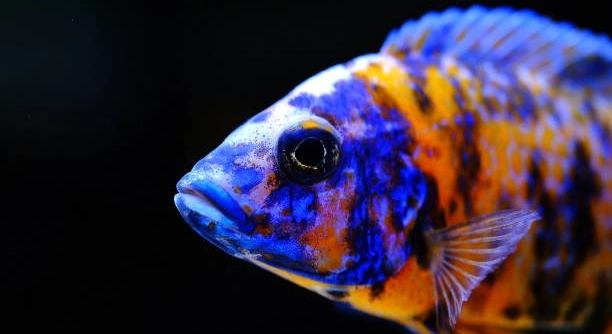
African cichlids are popular fish that many hobbyists enjoy keeping. These fish need specific care to thrive in home aquariums. Finding the right ways to manage their tank can make a big difference in their health and behavior.
Seven underrated hacks can improve African cichlid tanks significantly. These include tips on filtration, tank decoration, feeding routines, and water maintenance. Each hack supports better water quality and fish comfort, leading to a more balanced and thriving environment.
Understanding these simple but effective hacks will help you create a better home for your cichlids and enjoy their vibrant presence more fully.
Optimize Filtration for Clear Water
Clear water is essential for African cichlids to stay healthy. Using a high-quality filter designed for the tank size helps remove waste and harmful chemicals. Mechanical filtration catches debris, while biological filtration breaks down toxins like ammonia and nitrites. It’s important to clean or replace filter media regularly but avoid over-cleaning, which can disturb beneficial bacteria. Adding a sponge filter can boost filtration without creating strong currents that stress the fish. Also, consider positioning the filter output to promote gentle water movement across the tank, preventing dead spots where waste can settle. Consistent maintenance ensures the water stays clean and stable, making it easier to keep your cichlids thriving. Proper filtration reduces the risk of disease and helps maintain balanced water parameters, which are vital for these fish that come from diverse African lakes with specific water conditions.
Regular filter maintenance improves water quality and supports a healthy tank environment.
Filtration is the backbone of a healthy African cichlid tank. Poor filtration can lead to rapid buildup of waste, harming fish health. Besides selecting an appropriate filter, monitor water parameters weekly to detect issues early. Biological filtration is particularly important because it converts harmful substances into less toxic ones. Many hobbyists find using a combination of canister and sponge filters works best for larger tanks, providing thorough cleaning without stressing the fish. Avoid overstocking, as more fish produce more waste, overwhelming the filtration system. Keeping the tank clean and well-filtered reduces stress on the fish, improving their coloration, behavior, and longevity. Implementing a solid filtration plan from the start can save time and prevent common problems later.
Create Natural Hiding Spaces
African cichlids need places to hide and feel secure. Rocks, caves, and decorations that mimic their natural habitat reduce stress and aggression. Using smooth stones avoids injuries while arranging them to create multiple territories helps reduce fights. Plants can be added but choose hardy species that tolerate hard, alkaline water. Hiding spots also allow shy fish to rest and recover if they feel threatened. Overcrowding limits these spaces, so it’s best to keep the fish population balanced with the tank size. Creating a tank layout that reflects their natural environment improves their comfort and encourages natural behaviors. This leads to more vibrant and active fish that display less aggressive tendencies. Personal experience shows that cichlids with enough hiding places are easier to care for and more visually appealing.
Providing hiding places reduces stress and aggression among African cichlids.
Adding natural shelters promotes healthier interactions and gives fish a sense of security. When planning the tank layout, think about the size and number of hiding spots relative to the number of fish. This simple adjustment can make a big difference in tank harmony and fish wellbeing.
Maintain Stable Water Parameters
Consistent water conditions are crucial for African cichlids’ health. Sudden changes in pH, temperature, or hardness can stress them and cause illness. Regular testing helps catch fluctuations early before they become a problem.
Keeping pH between 7.8 and 8.6 is ideal for most African cichlids, as they come from alkaline lakes. Use a reliable test kit and adjust slowly if needed. Temperature should stay around 76-82°F, avoiding rapid shifts. Hardness also matters; these fish prefer harder water with mineral content similar to their native habitats. Frequent partial water changes, about 20-30% weekly, help maintain stable conditions and dilute toxins.
Consistency reduces stress and promotes stronger immune systems. Avoid overreacting to small changes—gradual adjustments are safer. It’s helpful to keep a log of water tests to track trends and better understand your tank’s balance over time.
Feed a Balanced Diet
Feeding quality food supports cichlids’ color and growth. Use a mix of pellets, flakes, and occasional frozen or live foods for variety.
Protein-rich foods like brine shrimp or bloodworms should be given in moderation to prevent digestive issues. Many African cichlids are herbivores or omnivores, so including vegetable matter like spirulina flakes or blanched vegetables is beneficial. Avoid overfeeding to reduce waste buildup, which can harm water quality. Feeding small amounts 2-3 times daily encourages natural foraging behavior and keeps fish active.
Observing how your cichlids respond to different foods helps tailor their diet. Some may prefer more plant-based meals, while others thrive on protein. Offering balanced nutrition supports vibrant coloration and overall health. Consistency in feeding routines creates less stress and better digestion, leading to happier fish in the long run.
Use Sand as Substrate
Sand closely mimics the natural environment of many African cichlids. It’s gentle on their delicate barbels and allows for natural digging behavior. Sand also helps keep water cleaner by trapping debris on the surface.
Unlike gravel, sand reduces the risk of trapped waste and lowers the chance of harmful gas pockets forming. It’s easier to clean with gentle siphoning and creates a more natural look that benefits both fish and their keepers.
Avoid Overcrowding
Overcrowding leads to stress, poor water quality, and increased aggression. Keeping fewer fish per gallon helps maintain balance.
Regular Water Changes
Performing weekly water changes of about 20-30% keeps toxins low and replenishes minerals. This simple routine supports stable water conditions and healthier fish overall.
Monitor Fish Behavior
Watching how your cichlids interact gives clues about tank health. Aggression, hiding, or lethargy can signal problems needing attention.
FAQ
How often should I clean my African cichlid tank?
Cleaning should be part of a regular routine to keep the environment healthy. A good rule is to perform partial water changes weekly, about 20-30%. Clean the substrate gently with a siphon to remove debris without disturbing beneficial bacteria. Avoid full tank cleanings unless absolutely necessary, as they can upset the tank’s balance. Filters need maintenance too, but clean filter media only when it’s clogged, using tank water to preserve helpful bacteria. This schedule helps prevent buildup of harmful substances and keeps water parameters stable.
What type of decorations work best for African cichlids?
Natural rocks and caves are ideal because they mimic the fish’s native habitat and provide hiding spots. Use smooth stones to avoid injuries and stack them securely to prevent collapses. Driftwood is less common but can be added if it suits the tank’s water chemistry. Avoid sharp or painted decorations that may harm fish or leach chemicals. Plants can be used, but choose hardy species that tolerate the tank’s alkaline and hard water. Decorations should support territorial behavior and reduce aggression by giving fish places to claim.
Can I mix different species of African cichlids in one tank?
Mixing species is possible but requires careful planning. Choose species with similar sizes and temperaments to reduce aggression. Avoid combining very territorial or highly aggressive types with peaceful ones. Providing plenty of hiding spots and enough space helps reduce conflicts. Overstocking should be avoided because it increases stress and waste. It’s important to research compatibility before adding new fish. When done right, a mixed tank can be visually interesting and balanced, but it demands close monitoring to manage behavior and health.
How important is water hardness for African cichlids?
Water hardness is very important because many African cichlids come from hard, mineral-rich lakes. They need a certain level of minerals like calcium and magnesium to maintain good health and coloration. Soft water can cause stress and weaken their immune system. Test the hardness regularly and use additives if needed to reach appropriate levels. Stable hardness helps with proper digestion, breeding, and overall wellbeing. Sudden changes should be avoided to prevent shock.
What are signs of stress in African cichlids?
Common signs include hiding more than usual, loss of color, erratic swimming, or reduced appetite. Increased aggression or excessive hiding can also signal stress. Stress often results from poor water quality, overcrowding, or lack of hiding places. Identifying stress early allows you to adjust conditions like water parameters or tank setup. Keeping a close eye on behavior helps maintain a healthy environment and prevents illness.
How do I prevent algae buildup in my tank?
Control algae by maintaining clean water, avoiding overfeeding, and limiting light exposure to about 8-10 hours a day. Adding algae-eating species like certain snails or fish can help. Regular water changes and proper filtration reduce nutrients that algae feed on. Scrubbing decorations and glass as needed keeps algae from taking over. Balancing light, nutrients, and maintenance creates a healthy tank environment with manageable algae growth.
What’s the best way to introduce new cichlids to an established tank?
Quarantine new fish for at least two weeks to avoid introducing diseases. When adding them to the main tank, rearrange some decorations to disrupt existing territories. This reduces aggression by resetting territorial boundaries. Introduce new fish during feeding time or in the evening when fish are less active. Monitor closely for signs of bullying or stress and be ready to separate fish if needed. Patience and preparation make introductions smoother and safer.
How often should I test the water?
Testing water weekly is a good practice. Focus on pH, ammonia, nitrites, nitrates, and hardness. Frequent testing helps catch problems before they harm fish. Keep a log to track changes and notice trends. If water issues arise, test more often until stable. Regular testing supports timely adjustments to keep the tank balanced and healthy.
Can African cichlids live with other fish types?
It’s best to keep African cichlids with species that share similar water needs and temperaments. Many community fish won’t tolerate the aggressive behavior of cichlids or the hard, alkaline water conditions. Some compatible tank mates include certain catfish and larger, robust fish able to handle the cichlids’ activity level. Research compatibility thoroughly before mixing species to avoid stress, injury, or death.
What are common diseases in African cichlids and how can I prevent them?
Common issues include ich, fin rot, and bacterial infections. Prevention starts with good water quality, proper nutrition, and avoiding overcrowding. Quarantining new fish helps keep diseases out. Early signs like white spots, frayed fins, or lethargy require prompt treatment. Maintaining a clean tank and monitoring fish behavior lowers the risk of illness and promotes a healthy, thriving aquarium.
African cichlids are beautiful and interesting fish that bring life to any aquarium. Taking care of them requires attention to detail and understanding of their specific needs. Many common problems can be avoided by following simple but effective tank care techniques. By focusing on proper filtration, stable water conditions, balanced feeding, and creating a natural environment, it is possible to keep these fish healthy and happy for a long time. These small adjustments often make a big difference in how well your cichlids thrive.
Providing hiding spots and controlling tank population helps reduce stress and aggression. These fish have natural behaviors that need space and places to retreat. When their environment supports those needs, you will see them display more natural colors and activity. It’s also important to monitor water parameters regularly because sudden changes can harm them. Simple maintenance routines like regular water changes and testing can prevent many health issues. With consistent care, your African cichlids will grow stronger and show their true beauty.
Keeping African cichlids may seem challenging at first, but it becomes easier as you learn what works best for them. Paying attention to the small details in their care can lead to great results. Remember that patience and observation are key. Each tank and group of fish is unique, so adapt your care to fit their needs. Enjoy the process of watching your cichlids flourish in a well-maintained home. These efforts will reward you with lively fish and a vibrant aquarium.

Hello,
If you enjoy the content that we create, please consider saying a "Thank You!" by leaving a tip.
Every little bit helps us continue crafting quality advice that supports the health, happiness, and well-being of pets around the world, for pets of all shapes, sizes, and species.
We really appreciate the kindness and support that you show us!