
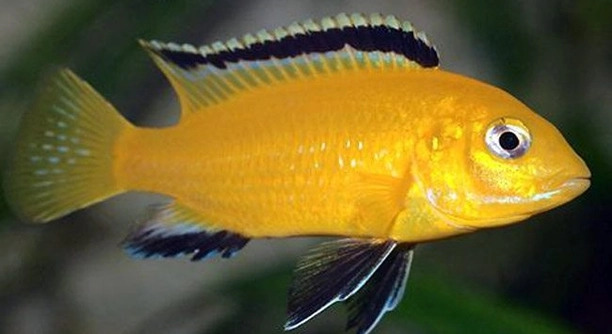
Many cichlid owners notice their fish constantly digging through the substrate. This behavior can seem puzzling or even concerning at first. Understanding why cichlids do this helps create a better environment for them.
Cichlids dig the substrate primarily to search for food, create hiding spots, or establish territory. This natural behavior is rooted in their instincts and varies depending on species and tank conditions. Recognizing these reasons helps in managing their environment properly.
Knowing more about this digging behavior can improve how you care for your cichlid. It also helps you create a tank setup that supports their natural habits and keeps them healthy and happy.
Reasons Why Cichlids Dig in the Substrate
Cichlids digging in the substrate is a very common behavior linked to their natural instincts. Many species come from environments where they sift through sand or gravel to find food. This digging helps them uncover small insects or plant matter hidden beneath the surface. Additionally, some cichlids dig to create nests or hide eggs during breeding. Territory is also important to these fish, so digging can mark boundaries or clear spaces for comfort. Tank conditions like the type of substrate, water quality, and tank size can influence how much digging happens. When they feel stressed or bored, digging may increase as a form of activity or coping. Watching your cichlid’s digging closely can reveal what they might be trying to achieve, whether it’s feeding, nesting, or just exploring. Offering a proper environment can reduce excessive digging and support their health.
Digging is mostly natural and shows your cichlid is comfortable interacting with its habitat.
Understanding these reasons helps you create a tank setup that suits your cichlid’s needs. Different species have unique digging habits, so observing yours will guide you on how to provide the best substrate type, hiding places, and feeding routine. For example, softer sand is better for species that dig frequently, while gravel suits others less prone to digging. Adding decorations or plants can also offer spots to hide and reduce substrate disturbance. Adjusting feeding schedules and offering sinking foods can decrease substrate searching. Careful attention to water conditions will keep your fish calm, reducing stress-related digging. A balanced approach ensures your cichlid remains active but doesn’t damage the tank environment or injure itself.
How to Manage Substrate Digging
Managing digging behavior involves creating a supportive tank environment. You can choose substrate types that are gentle and safe for your cichlid’s digging habits. Providing plenty of hiding spots and decorations helps reduce the need to dig excessively. Feeding methods that deliver food on the surface or on feeding dishes may also limit substrate searching. Regular water changes and monitoring water quality keep your cichlid healthy and less prone to stress digging.
Encouraging natural behaviors without letting them harm the tank balance is key. It’s important to watch how your cichlid interacts with the substrate and adjust conditions as needed. Sometimes digging is a sign of breeding readiness, so recognizing this can help you prepare. If digging becomes destructive, consider rearranging the tank or adding barriers to protect plants and decorations. With careful attention, you can support your cichlid’s needs while keeping the tank clean and safe for everyone.
Signs Your Cichlid Is Digging for Breeding
When cichlids dig for breeding, their behavior changes slightly. You might see more focused digging near specific areas. They often clear out a spot for laying eggs and become more territorial around it. This is a clear sign of breeding readiness.
During breeding, cichlids carefully prepare their nests by digging pits or clearing flat spaces. Males often guard the area aggressively to keep other fish away. Females may stay close to the nest to lay and protect eggs. This digging is purposeful and intense compared to usual substrate movement. Recognizing this behavior helps you avoid disturbing the fish and provides a calm environment. It’s important not to rearrange the tank or stress the fish during this time, as it could harm the eggs or stop breeding altogether.
Providing flat rocks or smooth surfaces can help cichlids create nests more easily. Observing their digging pattern lets you know when breeding is happening. Supporting their natural process will increase the chance of successful hatching and healthy fry.
When Digging Becomes a Problem
If digging causes damage to plants or disrupts the tank too much, it needs attention. Constant substrate disturbance may lead to water cloudiness or filter clogging. It can also stress other fish sharing the tank.
To manage excessive digging, consider adding heavier decorations or anchoring plants securely. Using thicker substrate layers can help reduce uprooting. Feeding the cichlid more frequently with a balanced diet can decrease food-search digging. Sometimes, providing a separate breeding or digging area in the tank helps satisfy their needs without harming the main setup. Regular tank cleaning and maintenance are crucial to keep water quality high despite the digging activity. Watching for signs of stress or injury caused by digging lets you intervene early and protect your fish’s health.
Best Substrate Options for Digging Cichlids
Choosing the right substrate can make a big difference. Soft sand is gentle on your cichlid’s mouth and fins, allowing natural digging without injury. Gravel works for some species but may cause damage if sharp or rough.
Smooth, fine substrates mimic the natural habitats of many cichlids. They encourage digging while protecting the fish. Avoid sharp-edged or large gravel pieces that can hurt them. Matching substrate to your cichlid’s species needs supports healthy behavior and reduces stress.
How to Create a Dig-Friendly Environment
Offer plenty of hiding spots with rocks, caves, and plants. This gives your cichlid places to explore without digging everywhere. Arrange decorations so they stay stable even when your fish digs nearby.
Feeding Tips to Reduce Substrate Digging
Feed sinking pellets or foods that stay in one place. This prevents your cichlid from needing to dig through substrate to find food.
Monitoring Your Cichlid’s Health
Keep an eye on your fish’s behavior and appearance. Excessive digging can sometimes signal stress or illness.
FAQ
Why does my cichlid keep digging even after I feed it?
Cichlids dig not only for food but also to explore their environment and establish territory. Even if they are well-fed, digging remains a natural behavior to stay active and comfortable. Sometimes, they dig to create spaces to rest or breed, so feeding alone doesn’t stop the digging.
Is it harmful for my cichlid to dig constantly?
Usually, digging is harmless and normal. However, if your cichlid is digging so much that it uproots plants, damages decorations, or makes the water cloudy, it can become problematic. Constant digging might also stress other fish or lead to injuries if the substrate is rough or sharp.
Can digging be a sign of stress or illness?
Yes, excessive digging can sometimes indicate stress or poor tank conditions. If your cichlid digs more than usual and shows other signs like loss of appetite, lethargy, or unusual swimming, check water quality and tank setup. Stress can come from overcrowding, aggressive tank mates, or poor water parameters.
What type of substrate is best for digging cichlids?
Soft sand is generally the safest option because it’s gentle on your fish’s mouth and fins. Fine, smooth gravel can work for some species, but avoid sharp or rough materials. Matching substrate to your cichlid species helps them dig naturally without risking injury.
How can I reduce excessive digging?
Provide plenty of hiding places and decorations to satisfy your cichlid’s need to explore without disturbing the substrate too much. Feed sinking pellets or food in one spot to reduce substrate searching. Secure plants and decorations so they aren’t easily uprooted during digging.
Is digging related to breeding behavior?
Yes, digging is often part of breeding. Cichlids clear spots to lay eggs and guard their nests by digging the substrate. If digging becomes focused in one area and your fish is more territorial, breeding could be the reason.
Should I change the tank setup if my cichlid digs a lot?
If digging damages the tank or stresses other fish, rearranging the tank can help. Add heavier decorations, anchor plants firmly, or provide a designated digging area. This keeps the main tank safe while allowing your cichlid to behave naturally.
How often should I clean the substrate if my cichlid digs a lot?
Digging stirs up debris and waste, so regular cleaning is important. Vacuum the substrate weekly or as needed to keep water quality high. Avoid disturbing the tank too much during breeding periods to protect eggs and fry.
Can substrate digging affect water quality?
Yes, digging can cloud the water and release trapped debris. This makes filtration harder and may reduce water clarity. Good filtration and regular water changes help maintain a healthy environment despite digging activity.
Will my cichlid stop digging over time?
Some cichlids may dig less as they grow or get used to their tank. However, digging is a natural behavior for many species and usually continues throughout their life. Providing the right environment helps keep digging healthy and controlled.
Final Thoughts
Cichlids digging in the substrate is a natural and common behavior. It is part of how they explore their surroundings, look for food, and sometimes prepare spaces for breeding. Understanding why your cichlid digs can help you provide a better environment for it to thrive. Instead of seeing digging as a problem, it is helpful to view it as a sign that your fish is active and engaging with its home.
Creating the right setup makes a big difference in how your cichlid interacts with the tank. Choosing the proper substrate, like soft sand or smooth gravel, can protect your fish from injury while allowing natural digging. Adding hiding spots, rocks, and stable decorations gives your cichlid places to explore and rest without causing too much disturbance. Feeding your fish with sinking foods or in designated spots reduces the need for constant substrate searching. With these simple adjustments, you can reduce the chance of damage to plants and keep the tank environment cleaner.
It is important to watch your cichlid’s behavior and health regularly. Sometimes excessive digging can point to stress, poor water conditions, or the need for more space. If digging seems to cause problems, small changes to the tank or feeding routine can help balance your cichlid’s natural habits with a healthy, peaceful environment. Supporting your fish’s instincts while maintaining good care will keep it happy and active for a long time.

Hello,
If you enjoy the content that we create, please consider saying a "Thank You!" by leaving a tip.
Every little bit helps us continue crafting quality advice that supports the health, happiness, and well-being of pets around the world, for pets of all shapes, sizes, and species.
We really appreciate the kindness and support that you show us!