
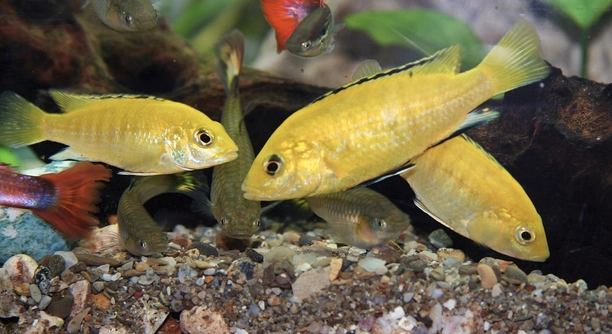
African cichlids need the right environment to thrive in home aquariums. Rocks are a key part of their habitat, providing hiding spots and helping keep water conditions stable. Choosing safe rocks is important for the health of these fish.
Selecting safe rocks for African cichlid tanks involves choosing materials that do not alter water chemistry negatively. Rocks like lava rock, slate, quartz, and dolomite are commonly used because they are stable, non-toxic, and promote a balanced environment conducive to cichlid health.
Knowing which rocks are safe can protect your fish and improve tank maintenance. The following guide will help you make informed choices for a healthy cichlid tank setup.
Lava Rock: A Popular Choice for African Cichlid Tanks
Lava rock is one of the most popular rocks for African cichlid tanks. It is lightweight, porous, and offers plenty of hiding spots for fish. The porous surface also encourages beneficial bacteria growth, which helps maintain good water quality. Lava rock does not significantly change the water chemistry, making it a safe option. Its rough texture adds a natural look that fits well in rocky cichlid habitats. When placing lava rock in your tank, make sure to rinse it thoroughly to remove any dust or debris. Avoid rocks that have been treated with chemicals or paint, as these can harm your fish. Overall, lava rock creates an ideal environment for cichlids to explore and feel secure. Its durability means it will last a long time without breaking down or affecting the tank’s balance.
Lava rock supports a healthy tank environment by providing good hiding places and encouraging beneficial bacteria growth.
Because of its natural features, lava rock is excellent for building caves and structures where cichlids can claim territory. It’s also easy to clean and won’t raise the pH or hardness levels in your water. Many aquarists trust lava rock for its stability and natural appearance. However, always check for sharp edges that might injure your fish and smooth them if necessary. This rock type blends well with other materials and helps create a natural setting similar to the fish’s native habitat.
Slate: Smooth and Safe for African Cichlids
Slate is a smooth, flat rock that fits well in African cichlid tanks.
Slate is a non-porous rock that does not affect water chemistry, making it a safe choice for cichlids. It offers flat surfaces that fish can swim over or rest against. Because it is easy to stack, slate is ideal for creating caves or layered rock formations. Its sleek appearance adds a clean look to the aquarium without introducing rough textures. Slate is durable and can withstand frequent water changes and tank cleaning without breaking down. To prepare slate for your tank, rinse it well and avoid using slate with paint or coatings. Slate works well combined with other rock types to add variety in shape and structure, giving your cichlids multiple places to hide or explore.
Slate provides smooth, stackable surfaces that help create safe shelters and natural-looking environments for cichlids. It is easy to clean and maintain. Its flat shape is perfect for building complex rock formations that cichlids appreciate for territorial reasons. Unlike porous rocks, slate does not promote as much bacterial growth but remains stable and non-toxic. Because it is non-porous, slate also resists algae buildup better than rougher stones. When arranging slate in your tank, make sure pieces are stable to avoid collapse. Overall, slate is a reliable rock option that offers both functionality and aesthetics for African cichlid tanks.
Quartz: Durable and Safe for Cichlid Tanks
Quartz is a hard, durable rock that does not change water chemistry, making it safe for African cichlids. It adds a natural sparkle to the tank and comes in various colors, enhancing the visual appeal without harming fish.
Quartz resists wear and is non-porous, so it won’t trap harmful bacteria or algae as easily. It is also chemically stable, which means it won’t leach minerals or alter the pH of your tank water. Quartz can be used as both a decorative stone and a substrate component. Its smooth texture prevents injury to fish, which is important for species like cichlids that like to dig and explore. When using quartz, be sure to rinse it well to remove dust or particles that may cloud the water.
While quartz is a sturdy choice, it’s best combined with other rock types to create a more natural environment. Its hardness means it won’t break down over time, providing a long-lasting option for your aquarium setup. You can use quartz stones to complement caves and hiding spots made from more porous rocks, helping balance aesthetics and function in your tank.
Dolomite: Mineral-Rich Rock for Water Stability
Dolomite helps maintain stable water hardness and pH, which is beneficial for African cichlids that thrive in harder, alkaline water conditions.
This rock slowly releases minerals like calcium and magnesium, which naturally buffer the water and support fish health. Its ability to stabilize pH makes it a popular choice among cichlid keepers who want to avoid frequent water adjustments. Dolomite is heavier and less porous than some other rocks, offering solid structures that won’t easily crumble. It can be shaped into caves or stacked to create interesting territories for your fish. Since it alters water chemistry positively, it should be used carefully to prevent excessive hardness.
If your tank water is too soft, adding dolomite can improve conditions for your cichlids, promoting better growth and coloration. However, monitor water parameters regularly to avoid unwanted shifts. Dolomite’s mineral content supports the biological balance in your aquarium by encouraging beneficial bacteria and maintaining stable conditions. Its solid texture adds visual interest and practical benefits, making it a valuable rock in many cichlid setups.
Granite: Strong and Stable Rock
Granite is a very hard rock that does not affect water chemistry, making it safe for African cichlid tanks. Its speckled appearance adds natural beauty to the aquarium.
This rock is dense and durable, resisting erosion and breakage over time. Granite can support rock formations and caves for fish to explore.
Sandstone: Natural Look with Caution
Sandstone offers a natural, earthy look but can sometimes affect water chemistry if it contains calcium. Choose sandstone carefully to avoid altering pH levels in your tank.
Basalt: Dark and Durable Rock
Basalt is a dense volcanic rock that is safe for cichlids because it does not change water conditions. Its dark color creates a nice contrast in the tank. It holds up well in water and provides sturdy hiding spots.
River Rock: Smooth and Varied
River rock is smooth and comes in many colors, offering a natural feel to the tank. Make sure to select river rocks that won’t leach minerals or affect water quality.
FAQ
What rocks should I avoid in African cichlid tanks?
Avoid soft or reactive rocks like limestone, marble, and sandstone with high calcium content unless you want to raise your tank’s pH and hardness. These rocks can change water chemistry quickly, stressing your fish. Painted or coated rocks should also be avoided as chemicals may leach into the water.
How do I prepare rocks before adding them to my tank?
Always rinse rocks thoroughly with warm water to remove dust and debris. Avoid using soap or detergents, which can be toxic to fish. If unsure about the rock’s safety, boiling it for 10-15 minutes can help sterilize and remove unwanted residues.
Can I mix different rock types in one tank?
Yes, mixing rocks like lava rock, slate, and quartz can create a more natural and interesting environment. Just ensure none of the rocks significantly affect water chemistry. Mixing textures and shapes helps provide various hiding spots and territories for your cichlids.
Will rocks affect the water’s pH and hardness?
Some rocks like dolomite or limestone raise pH and hardness by slowly releasing minerals, which can be good if your water is too soft. Other rocks like slate and quartz are chemically inert and don’t change water parameters. Testing your water regularly will help keep conditions stable.
How do I know if a rock is safe for my cichlids?
A simple test is to place a small piece of rock in vinegar. If it fizzes or bubbles, the rock contains calcium carbonate and will affect water chemistry. Avoid rocks that react this way unless you want to increase hardness and pH intentionally.
Can sharp edges on rocks harm my fish?
Yes, sharp edges can injure your cichlids, especially when they dart or dig near rocks. It’s best to smooth sharp points by sanding or choosing naturally rounded rocks. Fish with delicate fins or aggressive behavior need extra caution in rock selection.
How much rock should I use in my African cichlid tank?
There’s no strict rule, but aim to fill about 30-40% of the tank with rocks to create enough hiding places and territories. Overcrowding the tank with too many rocks can reduce swimming space and trap debris, leading to poor water quality.
Can I use rocks from outside in my tank?
Using rocks collected outdoors is risky because they might carry harmful bacteria, parasites, or chemicals. If you do use them, clean thoroughly by boiling and soaking in diluted bleach solution, then rinse well. It’s safer to buy aquarium-safe rocks from a store.
Do rocks affect algae growth in the tank?
Porous rocks like lava rock provide more surface area for algae to grow, which can be both good and bad. Algae can be a food source for some fish but too much can spoil the tank’s appearance and water quality. Regular cleaning and light control help manage algae.
How often should I clean the rocks in my aquarium?
Cleaning rocks depends on algae and debris buildup. Gently scrub rocks during routine tank maintenance to avoid disturbing beneficial bacteria too much. Avoid harsh chemicals or scrubbing too often, as this can upset the tank’s biological balance.
Final Thoughts
Choosing the right rocks for your African cichlid tank is important for both the health of your fish and the overall look of the aquarium. Safe rocks like lava rock, slate, quartz, dolomite, granite, basalt, and carefully selected river rock create a stable environment where cichlids can thrive. These rocks do not harm the water chemistry and offer places for fish to hide, explore, and establish territories. Using the right rocks also helps maintain balanced water conditions, which reduces stress on your fish and supports their natural behaviors.
It is also important to prepare rocks properly before adding them to your tank. Cleaning rocks by rinsing or boiling removes dirt, dust, and any harmful organisms that could cause water problems or illness in your fish. Avoid rocks that release minerals that change water pH or hardness unless you want to adjust those parameters carefully. Over time, rocks may collect algae or debris, so regular but gentle cleaning is necessary to keep the tank healthy. Make sure the rocks are stable and safe so they do not fall or injure your fish.
Remember, the goal is to create a natural and comfortable environment for your African cichlids. A good mix of safe rocks with different shapes and textures provides hiding spots and helps reduce aggression by giving each fish its own space. Watching your cichlids enjoy and interact with their environment is rewarding, and the right rock choices can make a big difference. Take your time when selecting and arranging rocks, and regularly monitor water quality to keep your tank in balance. A well-maintained tank with safe rocks will support your cichlids’ health and happiness for years to come.

Hello,
If you enjoy the content that we create, please consider saying a "Thank You!" by leaving a tip.
Every little bit helps us continue crafting quality advice that supports the health, happiness, and well-being of pets around the world, for pets of all shapes, sizes, and species.
We really appreciate the kindness and support that you show us!