
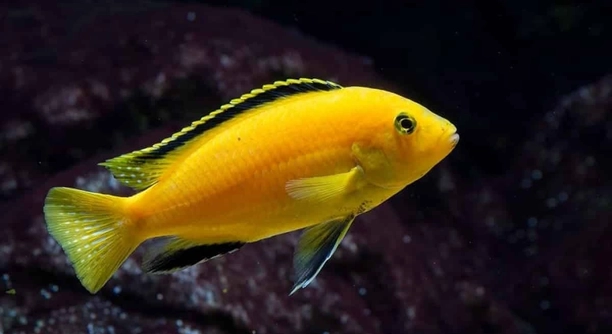
Cichlid breeding can be rewarding but challenging for many hobbyists. Maintaining a healthy breeding cycle requires attention to several factors that often go unnoticed. Understanding common pitfalls can improve your chances of success.
Several key issues disrupt cichlid breeding cycles, including poor water quality, inappropriate tank conditions, stress, improper diet, lack of compatible mates, disease, and frequent disturbances. Each factor plays a critical role in the reproductive health and behavior of cichlids.
Knowing what can go wrong helps you create a better environment for your fish. This article highlights important points that affect breeding and how to avoid common mistakes.
Poor Water Quality and Its Effects
Water quality is the most important factor in cichlid breeding success. Dirty or imbalanced water stresses fish and can stop breeding altogether. High levels of ammonia, nitrites, or nitrates harm both adult fish and fry. pH levels that are too high or low can interfere with spawning behavior and egg development. Temperature also plays a key role, as cichlids usually require stable, species-specific ranges to breed properly. Frequent water changes and proper filtration help keep the water clean and safe. Neglecting this can cause disease outbreaks and reduce fertility. Monitoring water parameters regularly is essential for a healthy tank environment. Using test kits can make this task easier and more accurate. When water conditions are right, cichlids feel secure enough to start breeding naturally, which leads to healthier offspring and fewer problems later.
Maintaining good water quality is simple but critical. Regular testing and water changes keep fish healthy and ready to breed.
Proper water care ensures your cichlids stay comfortable and increases the chances of successful breeding cycles without added stress.
Stress and Disturbance in the Tank
Stress is a major reason cichlids fail to breed. Frequent disturbances, loud noises, or sudden changes in lighting upset the fish. Even tapping on the glass can cause enough stress to stop breeding behavior. Territorial disputes between incompatible tank mates increase stress levels and reduce spawning success. Overcrowding limits space and privacy needed for breeding pairs. Providing hiding spots and a calm environment helps reduce tension. Stress weakens the immune system, making fish more prone to illness. When cichlids feel safe, they focus on reproduction rather than survival. Limiting disruptions and keeping the tank peaceful allows natural behaviors to emerge. Observing your fish quietly and avoiding unnecessary interference promotes a better breeding environment. Creating a stable and calm tank is one of the easiest ways to improve breeding outcomes.
Reducing stress creates a more peaceful space where cichlids can breed successfully and raise healthy fry.
Understanding how stress affects cichlids can help you create an environment that encourages natural breeding behaviors and reduces problems.
Improper Diet and Nutrition
A poor diet can seriously affect cichlid breeding. Without the right nutrients, fish may not develop eggs or sperm properly. Feeding a balanced mix of proteins, vitamins, and minerals is essential.
Providing a varied diet that includes high-quality pellets, live foods, and frozen options supports overall health. Foods like brine shrimp, bloodworms, and daphnia boost fertility and encourage spawning. Overfeeding or feeding only one type of food can lead to health issues and reduce breeding success. Pay attention to the nutritional needs of your specific cichlid species to meet their requirements accurately.
Supplementing with vitamins or special breeding foods can also help improve reproductive health. Healthy parents produce stronger offspring, so investing in their diet is always worthwhile. Consistent feeding routines and avoiding junk food keep cichlids in prime condition for breeding.
Lack of Compatible Mates
Choosing compatible mates affects breeding success. Some cichlids are aggressive or picky, making certain pairings unsuccessful. Compatibility influences courtship and spawning behavior.
Compatibility means matching species with similar temperaments and environmental needs. Avoid pairing overly aggressive males with timid females, as this causes stress and prevents breeding. Some species require specific partners to spawn, so research is crucial. Compatibility also involves size and age; mismatched pairs may fail to breed or harm each other. Providing enough space helps reduce conflict and increases chances of acceptance. When mates are well-matched, breeding cycles proceed smoothly, and fry survival improves. Taking time to select the right pairs saves frustration and supports healthy reproduction.
Disease and Parasites
Disease and parasites can quickly ruin breeding efforts. Sick fish lose energy and interest in spawning, and infections can spread to fry.
Prevent disease by keeping tanks clean, quarantining new fish, and monitoring behavior closely. Early treatment is key to saving both adults and offspring.
Inconsistent Tank Conditions
Sudden changes in temperature, pH, or water hardness stress cichlids and disrupt breeding cycles. Stability is essential for natural reproductive behaviors.
Maintaining steady conditions helps fish feel secure and encourages regular spawning. Use reliable heaters, filters, and testing kits to keep parameters consistent and suitable for your cichlid species.
Frequent Tank Disturbance
Constant noise or movement near the tank unsettles cichlids. They need quiet and calm to breed successfully.
Inadequate Hiding Places
Lack of sufficient hiding spots increases stress and reduces breeding. Providing caves, plants, or decorations creates safe spaces for spawning and protecting fry.
FAQ
Why are my cichlids not breeding even though the tank looks perfect?
Even if the tank appears ideal, unseen factors like stress, water chemistry fluctuations, or incompatible mates can stop breeding. Small disturbances or poor diet might also prevent spawning. Sometimes fish need more time to adjust or establish territory before breeding starts.
How often should I change the water to support breeding?
Frequent water changes are important but should be balanced. Changing about 20-30% of the water weekly helps maintain water quality without shocking the fish. Avoid large or sudden water changes, as these can stress cichlids and disrupt breeding behavior.
Can I breed different cichlid species together?
Mixing species is usually not recommended for breeding. Different cichlids have unique needs, behaviors, and breeding habits. Cross-species breeding may cause aggression or unsuccessful spawning. It’s best to breed only compatible pairs of the same species to ensure healthy offspring.
What is the best diet to prepare cichlids for breeding?
A varied diet rich in proteins and vitamins is best. Live foods like brine shrimp, bloodworms, and daphnia encourage spawning. High-quality pellets formulated for cichlids can provide balanced nutrition. Avoid overfeeding and junk foods that can harm health and fertility.
How do I reduce stress in my breeding tank?
Keep the environment quiet and stable, avoid tapping on the glass, and provide hiding spots. Limit the number of tank visitors and sudden changes in lighting or water parameters. Ensuring compatible mates and enough space also lowers stress.
How long does it take for cichlids to start breeding?
Breeding time varies by species and conditions but usually takes several weeks to months. Fish must reach maturity, establish territory, and feel safe. Patience is important, as rushing the process can increase stress and cause failure.
Can diseases affect cichlid breeding?
Yes, diseases weaken fish and reduce reproductive ability. Sick cichlids are less likely to spawn, and infections can harm eggs or fry. Maintaining tank hygiene, quarantining new fish, and early treatment of illnesses support successful breeding.
What tank size is best for breeding cichlids?
A larger tank provides space for territory and hiding spots, reducing aggression and stress. Minimum size depends on species but generally ranges from 30 to 55 gallons for breeding pairs. Crowded tanks lower breeding chances and increase conflict.
How do I know if my cichlids are ready to breed?
Signs include increased territorial behavior, courtship displays, digging in substrate, and the appearance of breeding colors. Females may develop swollen bellies, and males may become more aggressive or protective of certain areas.
Is it necessary to remove fry from the parents?
In many cichlid species, parents care for their fry well, so removal isn’t necessary. However, in overcrowded tanks or when parents become aggressive, separating fry can improve survival rates. Monitoring parental behavior helps decide when to intervene.
Cichlid breeding can be a rewarding experience, but it takes careful attention and patience. Many things can affect the success of breeding cycles, from water quality to stress and diet. Each factor plays an important role in helping cichlids feel comfortable enough to reproduce. Keeping water clean and stable is one of the most basic yet crucial steps. Without good water conditions, cichlids become stressed and unhealthy, which stops breeding. Making sure the tank environment is calm, with proper hiding places and minimal disturbances, also supports natural behavior and reduces stress.
Feeding your cichlids a balanced diet that meets their nutritional needs is another key part of breeding success. Healthy fish are more likely to produce strong eggs and sperm. Including live or frozen foods like brine shrimp or bloodworms can boost fertility and encourage spawning. It is also important to choose compatible mates to avoid fights and stress. Aggression or mismatched pairs often lead to failed breeding attempts. Giving your fish enough space and quiet helps them focus on courtship and caring for their young.
Patience is important when working with cichlids. Breeding cycles may take time to start and require careful monitoring of conditions. Regular water testing, proper feeding, and watching for signs of illness or stress help keep fish healthy. Knowing what problems can disrupt breeding cycles allows you to fix them early. This improves the chances of successful spawning and healthy fry. With the right care and environment, you can enjoy watching your cichlids reproduce and raise their young naturally.

Hello,
If you enjoy the content that we create, please consider saying a "Thank You!" by leaving a tip.
Every little bit helps us continue crafting quality advice that supports the health, happiness, and well-being of pets around the world, for pets of all shapes, sizes, and species.
We really appreciate the kindness and support that you show us!