
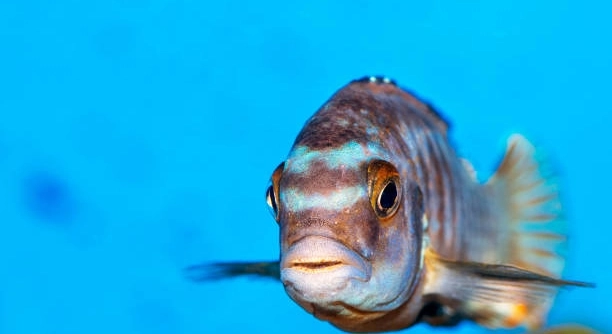
Are your cichlids chasing each other around the tank more than usual? This behavior can catch many fish owners by surprise. It’s a common sight in many aquariums with these colorful and lively fish.
Cichlids chase each other primarily to establish territory, assert dominance, or during mating rituals. This behavior is a natural part of their social interaction and helps maintain order within their environment.
Understanding why your cichlids behave this way can improve how you manage their tank. It can also help reduce stress and promote a healthier aquarium environment.
Why Cichlids Chase: Territory and Hierarchy
Cichlids are known for their strong territorial instincts. In a tank, they often chase other fish to protect their space. This behavior is not about aggression alone; it’s about survival and organization. When a cichlid claims an area, it feels safer and more in control. This can lead to chasing and even occasional nips to keep others at bay. Dominance also plays a big role. The more dominant fish often chases the less dominant ones to maintain social order. Sometimes, this results in a clear hierarchy, which can reduce conflict over time. This behavior is natural, but it can get stressful if the tank is too small or overcrowded. A well-planned setup with hiding spots and enough space can help balance the territorial behavior. Watching these interactions closely will help you understand when chasing is normal and when it becomes a problem.
Keeping enough space in the tank reduces excessive chasing. Overcrowding often leads to more frequent and intense behavior.
Providing hiding places like rocks and plants gives shy fish a chance to escape and feel safe. This can lower stress and aggression in your aquarium. The right environment helps all fish coexist more peacefully. Adjusting your tank setup may make chasing less frequent and your cichlids more relaxed.
Chasing During Breeding Season
Chasing behavior usually increases during breeding season. Male cichlids become more protective of their chosen mates and nesting sites. They chase away any fish they see as a threat, including other males and sometimes even females that are not ready to breed. This behavior is essential for the survival of their eggs and fry. The chasing can be quite intense but usually calms down after the eggs hatch and the fry grow stronger. Providing enough space and separate breeding areas can help reduce stress on the fish. Monitoring breeding pairs is important to ensure that chasing does not turn into harmful aggression. Creating a peaceful environment during this time supports successful breeding and healthy young fish.
Signs Chasing Has Become a Problem
Chasing is normal, but it becomes a problem when fish get injured or constantly stressed. Look for torn fins, pale colors, or hiding fish. These signs mean you should act quickly to prevent further harm.
When chasing causes injuries, it often leads to infections. Stress weakens fish immune systems, making them more vulnerable to disease. Constantly chased fish may stop eating or lose weight, which affects their overall health. Overcrowded tanks and lack of hiding spots usually make the problem worse. It’s important to separate aggressive fish or provide more space and cover to help reduce tension. Ignoring these signs can cause serious damage to your cichlids’ wellbeing.
In some cases, aggression can be so intense that fish become lethargic or die. If chasing is extreme, consider rearranging the tank layout or using dividers. Adding plants or rocks creates barriers that slow down chasing and protect weaker fish. These simple changes often bring balance back to your aquarium and reduce stress for all your cichlids.
Managing Aggression Through Tank Setup
Tank size plays a crucial role in controlling aggression. A larger tank gives each fish space to establish its own territory, which lowers conflict. Crowded tanks force fish into closer contact, increasing chasing.
Proper tank decoration can break lines of sight, helping reduce constant chasing. Rocks, caves, and tall plants create natural barriers, allowing fish to hide and feel safe. Hiding places are especially important for shy or smaller cichlids. Without these, dominant fish can easily target them. Rearranging decorations occasionally also helps prevent fish from becoming too familiar with their territory, which can reduce aggressive behaviors. By carefully planning your tank’s layout, you give your cichlids a better chance to live peacefully together.
Choosing Compatible Cichlids
Not all cichlids get along well together. Choosing species with similar temperaments helps reduce chasing. Mixing very aggressive with peaceful types often causes stress and conflict.
Researching the size and behavior of cichlids before adding them to your tank can save trouble. Compatibility is key to a calm aquarium where fish coexist without constant chasing.
When to Separate Fish
Separation is sometimes necessary to protect weaker or injured cichlids. Using a divider or a separate tank can prevent bullying and give stressed fish time to recover.
Separating aggressive fish during breeding or if chasing becomes dangerous helps maintain peace. It’s a practical solution that supports healthier and less stressful tank conditions.
Using Feeding to Reduce Aggression
Feeding your cichlids well and on a regular schedule can reduce aggression. Hungry fish tend to chase more as they compete for food.
Keeping all fish well-fed lowers competition, which helps calm chasing and creates a more balanced tank environment.
FAQ
Why do my cichlids chase each other constantly?
Cichlids chase to establish territory and social order. It is a natural behavior to show dominance or protect space. However, if the chasing is constant and intense, it may indicate overcrowding, lack of hiding spots, or stress in the tank. Adjusting the environment can help reduce this behavior.
Is chasing always a sign of aggression?
Not always. Chasing can be part of mating rituals or playful behavior. While it looks aggressive, it doesn’t always lead to harm. True aggression involves biting, fin damage, or fish hiding for long periods. Monitoring the intensity and results of chasing helps distinguish normal from harmful behavior.
How can I tell if chasing is harming my fish?
Look for signs like torn fins, missing scales, or pale colors. Fish that hide constantly or stop eating may be stressed. Injuries can lead to infections, so it’s important to separate or protect weaker fish before problems worsen.
Can tank size affect chasing?
Yes, tank size is very important. Small tanks force fish into closer spaces, which increases chasing. Larger tanks give fish room to establish territories and avoid constant contact. A minimum of 30 gallons is recommended for many cichlids, but bigger is usually better.
Should I separate aggressive fish?
Separating aggressive fish is a good option when chasing becomes harmful. Using dividers or a separate tank prevents injury and stress. It’s especially helpful during breeding or if a fish is constantly bullied.
What decorations help reduce chasing?
Rocks, caves, and tall plants break sight lines and provide hiding places. These natural barriers let fish escape and reduce stress. Rearranging decorations regularly can prevent fish from becoming too territorial over specific spots.
Does feeding influence chasing behavior?
Yes, hunger can increase chasing as fish compete for food. Feeding on a regular schedule and ensuring all fish get enough helps reduce competition and aggression. Overfeeding should be avoided to keep water quality stable.
Can I keep different cichlid species together?
Mixing species is possible, but choose those with similar temperaments. Aggressive species can stress peaceful ones, leading to more chasing and injury. Researching compatibility is key to a peaceful tank.
How long does chasing last during breeding?
Chasing tends to increase during breeding season as males protect nests and mates. This period can last several weeks until the eggs hatch and the fry grow. Afterward, chasing usually decreases as fish return to normal behavior.
What are the signs that chasing is no longer normal?
Constant chasing causing injury, stress, or death is a warning. If fish are hiding all the time, not eating, or have visible wounds, it’s time to intervene. Adjust tank conditions or separate fish to restore balance.
Can stress from chasing affect cichlid health?
Yes, stress lowers immunity and makes fish prone to disease. Continuous chasing increases stress, which can lead to illness or even death if not addressed. Keeping a calm environment helps maintain healthy fish.
What can I do if chasing won’t stop?
Try increasing tank size, adding decorations, or separating aggressive fish. Changing water conditions to ideal parameters and feeding well also helps. In some cases, removing the most aggressive fish is necessary for the overall wellbeing of the tank.
Are there signs that chasing is part of normal social behavior?
If chasing happens in short bursts and fish return to normal swimming and feeding, it is likely normal. No injuries or prolonged hiding suggest healthy social interactions. Observing your fish regularly helps you understand their behavior patterns better.
How often should I rearrange the tank to reduce chasing?
Rearranging every few weeks can disrupt territorial claims and reduce aggression. This doesn’t mean a full redesign each time, but moving rocks or plants slightly can help. It keeps fish from settling into rigid territories that cause constant chasing.
Caring for cichlids means understanding their natural behaviors, including why they chase each other. Chasing is often a sign of normal social interaction, such as establishing territory or mating. It can seem aggressive, but it plays an important role in how cichlids organize themselves within the tank. This behavior helps them feel secure and can prevent bigger fights in the long run. However, it is important to recognize when chasing crosses the line and causes harm. Watching your fish closely for signs of stress or injury is key to keeping them healthy.
The environment you create for your cichlids greatly influences how often and how intensely they chase. A tank that is too small or overcrowded often increases chasing and tension. Providing plenty of hiding spots and natural barriers helps break up the tank and allows fish to avoid constant conflict. Feeding your fish well and regularly also reduces competition, making chasing less common. Sometimes, separating overly aggressive fish is necessary to protect others. Taking these steps can make a big difference in how peaceful your aquarium is.
In the end, balancing your cichlids’ natural instincts with their well-being takes patience and attention. It’s normal to see some chasing, but too much can cause stress and injuries. By adjusting tank size, layout, and fish combinations, you can help your cichlids live in harmony. Knowing when to step in and make changes is part of being a responsible fish keeper. With care and effort, your cichlids can thrive and show their lively, colorful personalities without constant chasing turning into a problem.

Hello,
If you enjoy the content that we create, please consider saying a "Thank You!" by leaving a tip.
Every little bit helps us continue crafting quality advice that supports the health, happiness, and well-being of pets around the world, for pets of all shapes, sizes, and species.
We really appreciate the kindness and support that you show us!