
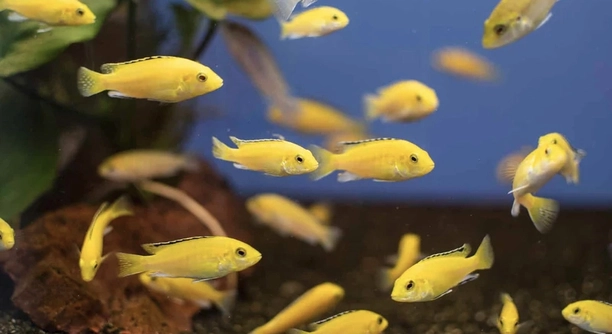
Are your cichlids swimming in circles or displaying signs of boredom despite having a clean and well-maintained tank environment?
Adding enrichment to a cichlid’s habitat doesn’t have to be expensive. Simple tricks like rearranging decorations, introducing mirrors, or offering floating treats can stimulate natural behaviors, encourage exploration, and improve your fish’s overall health and mental engagement.
These budget-friendly ideas can bring new life to your tank while supporting your cichlid’s well-being in meaningful ways.
Rearrange Decorations Regularly
Changing the layout inside your cichlid tank helps keep them engaged. Moving rocks, plants, and caves encourages natural behaviors like exploring, claiming new territory, or creating nests. Cichlids are intelligent and responsive to environmental changes. A fresh layout gives them a new sense of space, which can reduce aggression and stress. Use items you already have—just switching their placement makes a difference. This activity doesn’t cost anything but brings visual and behavioral variety for your fish. It also allows you to check for hidden waste buildup or unsafe items that may have shifted over time. Keeping things fresh keeps your fish curious.
This trick takes just a few minutes and doesn’t require buying anything new. It’s an easy way to enrich their space and stimulate healthy habits.
Aim to rearrange the tank once every two weeks. Do it during water changes to avoid extra disturbance. Watch how your cichlids interact afterward—they may show more color, explore more actively, or start new behaviors. Always keep the general layout safe and stable. Avoid stacking items that might fall or trap fish. You don’t need drastic changes—just shifting items slightly or swapping positions can create enough novelty. Over time, your fish will show more alertness and activity from this simple routine.
Add a Floating Toy or Mirror
Adding a floating item or mirror can catch your cichlid’s attention and encourage interaction. These visual changes stimulate their natural curiosity and territorial instincts without harming their routine.
A floating ping pong ball or craft foam cutout can trigger interest and investigation. Some cichlids may even nudge or guard it. A mirror placed briefly on the outside of the tank allows them to see their reflection. This often causes temporary flaring or posturing, which can be a healthy outlet for excess energy. It’s important not to leave the mirror there for long—just five minutes a day is enough. Overuse can stress the fish. Keep it short and positive. Rotate floating objects weekly to maintain novelty and prevent boredom. These tricks are inexpensive and easy to implement. With consistent use, you’ll notice more alert and responsive behavior, all while keeping your cichlids mentally stimulated in a safe and simple way.
Offer a Variety of Food Types
Switching up your cichlid’s diet can keep feeding time exciting and mentally stimulating. Use flakes, pellets, frozen food, and the occasional vegetable to offer texture and taste variation. Rotate items weekly to avoid boredom and nutritional gaps.
Frozen bloodworms, brine shrimp, and chopped spinach are good supplements to their main diet. These foods can encourage foraging and more natural feeding responses. It’s also a chance to observe their preferences and see what excites them most. Just be careful not to overfeed—alternate types instead of adding more. Feed small amounts and remove leftovers to maintain water quality. If you use vegetables, such as zucchini or cucumber slices, clip them to the tank wall. Watch how quickly your cichlids become interested in new textures and tastes. Keeping their meals interesting keeps them active and alert, which supports better health overall.
Food variety stimulates natural instincts and prevents repetitive behaviors linked to boredom. Use high-quality pellets as a base and supplement with frozen or blanched options two to three times per week. Always thaw frozen items fully and rinse them before feeding. Avoid feeding the same supplement too often, and skip live feeder fish to prevent introducing parasites. Over time, rotating food choices can reduce aggression by giving fish more to focus on. It also supports better coloration, growth, and digestion. Your fish benefit both physically and mentally from a diet that feels less routine.
Create Hiding Spots with Household Items
Cardboard tubes, clean plastic containers, and ceramic mugs can be used to build simple hiding spots. Just ensure the materials are non-toxic and don’t have sharp edges. These items give cichlids places to rest or hide when stressed.
Use items already in your home to save money. Terracotta flower pots turned on their side make excellent caves. Rinse everything thoroughly and avoid painted or coated materials that could leach into the water. Spread the hiding spots throughout the tank to give each cichlid a place to retreat. This lowers the chances of bullying and creates a more peaceful environment. You can also partially bury items in the substrate to keep them stable. Try different combinations until you find what works best for your setup. Watch your cichlids interact with their new shelters—they’ll often claim one quickly and start using it as a resting or breeding space.
Rotate Tank Mates Occasionally
Changing which fish share the tank—if done carefully—can refresh your cichlid’s social environment. Always match species that are compatible and monitor behavior closely to avoid stress or aggression. A new tank mate can change dynamics and increase alertness.
Use a quarantine tank first to ensure new arrivals are healthy. Once introduced, observe interactions closely for the first few days. If any fish become overly aggressive or withdrawn, separate them right away. This trick works best for experienced fishkeepers familiar with cichlid behavior and tank balance.
Introduce Bubble Wands or Air Stones
Adding a bubble wand or air stone increases oxygen and creates movement that many cichlids enjoy. It gives them something to chase or swim through and makes the tank more dynamic. Choose an adjustable version so you can control the flow, especially for smaller or less active fish.
Play with Light Timing
Changing the light schedule once in a while can shift your cichlid’s routine just enough to spark new behaviors. Use a timer to keep it consistent.
FAQ
How often should I change the layout of my cichlid tank?
Once every two weeks is a good rhythm. This gives your fish time to explore the new layout and adjust to changes. Rearranging the tank during water changes is efficient and keeps things safe. Even small changes, like moving a rock or shifting a plant, can stimulate new activity and reduce stress. Avoid making large changes too often, as it can be overwhelming. Watch how your cichlids respond. If they seem more active and alert afterward, the change was likely a good one. If they hide more or become aggressive, the new layout may need some adjustment.
What floating objects are safe for cichlids?
Ping pong balls, foam shapes, or clean plastic lids can be used safely. Make sure the items are non-toxic and free of any coatings or glue. Always wash them well before placing them in the tank. Keep the size appropriate so it doesn’t fit in their mouths. Avoid anything sharp or too small. Swap them out weekly to maintain interest. You can also move their position daily to simulate change. If the fish ignore an object after a few days, replace it with something new. These small changes keep their environment interesting without any cost.
Can I use mirrors every day?
Yes, but only for short periods—no more than five minutes at a time. Mirrors can trigger territorial displays and help release built-up energy, but too much exposure causes stress. Always observe how your cichlid reacts. Some may enjoy it and become more colorful and active. Others may become overly aggressive or restless. Use mirrors once or twice a day, and never leave them up permanently. Stick to brief, supervised sessions and rotate their use with other enrichment tricks like floating toys or food variation.
What vegetables are safe for cichlids to eat?
Zucchini, cucumber, spinach, and peas are safe and easy to prepare. Always blanch the vegetables first so they’re soft and easier to eat. Clip them to the side of the tank to keep things tidy. Remove leftovers after a few hours to avoid water issues. Feed these as occasional treats, not as a daily meal. Once or twice a week is enough. Monitor how your fish respond, and adjust the amount based on their appetite. Offering vegetables adds variety and helps improve digestion.
How do I know if my cichlid is bored?
Signs of boredom can include repetitive swimming patterns, lack of color, decreased appetite, or chasing tank mates more than usual. These behaviors often improve when you add new enrichment. Try switching the layout, adding objects, or offering new foods. If behavior improves after the change, boredom was likely the cause. Some fish also lose interest in food if the same type is offered daily. Small changes can bring back energy and curiosity. Keep track of what works best and continue rotating those tricks.
Can I use household items to decorate the tank?
Yes, but only if they’re safe and non-toxic. Terracotta pots, ceramic mugs, and clean plastic containers work well. Avoid painted, coated, or metal items. Always rinse thoroughly and check for sharp edges. Secure anything that might shift or fall over. Try burying part of the item in the substrate to stabilize it. Rotate these objects every few weeks to keep the tank fresh and stimulating. Make sure there’s enough space for your cichlids to swim freely and establish their territories.
Do bubble wands stress cichlids out?
Not usually, but the flow should be gentle. Some fish love the movement, while others may avoid it. Use an adjustable air pump to control the pressure. Introduce the bubbles gradually and watch your fish’s reaction. If they hide or seem nervous, reduce the airflow. If they explore and swim through the bubbles, you can keep it running longer. These features also help oxygenate the water and can improve overall tank health.
Is it safe to change tank mates often?
Only if done with care. Quarantine all new fish for two weeks before adding them to your main tank. Watch for signs of illness, stress, or aggression. Always research compatibility first—some cichlids are more territorial than others. If introducing a new fish, rearrange the tank slightly at the same time. This breaks up existing territories and can help reduce aggression. Always observe your fish for the first few days. If you notice extreme chasing or injuries, remove the new fish and reconsider your setup.
Final Thoughts
Keeping cichlids active and engaged doesn’t need to be expensive or complicated. A few small changes can make a big difference in their daily life. By adding variety to their environment and routine, you help them stay curious, calm, and healthy. Most of these ideas use items you already have at home, so they’re simple to try and easy to repeat. Watching how your fish react can also give you better insight into what they enjoy and what keeps them stimulated. Enrichment isn’t just about entertainment—it also supports their well-being in a quiet, steady way.
Each trick shared in this article works by appealing to your cichlid’s natural behavior. Changing the layout helps them explore and feel secure. Floating toys and mirrors spark interaction and give them a chance to express themselves. Offering different food types introduces new tastes and textures. Even adjusting the light schedule or adding small bubble features can lead to noticeable changes in their activity. These details may seem small, but together they help prevent boredom and stress. That’s important when keeping fish that are intelligent, social, and sensitive to their surroundings.
There’s no need to use all the tricks at once. Try one or two, then give it time. Observe how your cichlids respond. If they seem more alert or colorful, or if aggression lessens, you’re on the right track. Keep notes if it helps you remember what works. The goal is to create a space that feels active and engaging without overwhelming them. You don’t need a large budget or fancy supplies. Just being consistent and thoughtful in how you manage their tank can go a long way. Enrichment isn’t about doing more—it’s about doing what matters. When your cichlids feel stimulated and safe, they show more of their natural beauty and charm.

Hello,
If you enjoy the content that we create, please consider saying a "Thank You!" by leaving a tip.
Every little bit helps us continue crafting quality advice that supports the health, happiness, and well-being of pets around the world, for pets of all shapes, sizes, and species.
We really appreciate the kindness and support that you show us!