
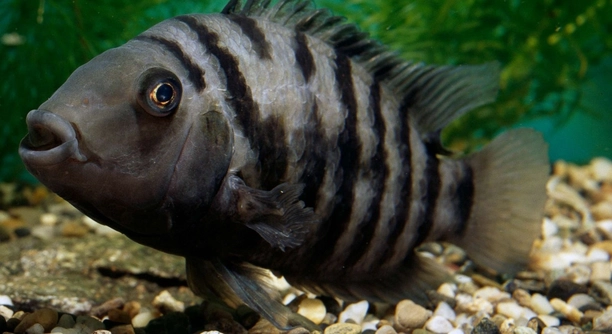
Cichlids are known for their strong territorial behavior in aquariums and natural habitats. They use specific signals to mark and defend their space from other fish. Understanding these cues helps aquarists maintain a balanced environment.
Cichlids rely on visual displays, body postures, coloration changes, fin flaring, chemical signals, sound production, and physical aggression as primary cues to establish and maintain territory boundaries. These behaviors serve to communicate dominance and deter intruders effectively.
Knowing these cues can improve how you manage your aquarium and help create a peaceful setting for your fish to thrive.
Visual Displays and Body Postures
Cichlids often use visual signals to communicate their territorial claims. These displays include changing body orientation to face intruders directly and adopting aggressive postures. The fish may flare their fins to appear larger and more intimidating. Color changes are common, with brightening or darkening patterns signaling dominance or readiness to defend territory. These visual cues are important because they allow cichlids to avoid unnecessary fights by clearly showing their intent. In aquariums, recognizing these signals can help prevent conflicts between fish. Watching how your cichlids behave visually can provide early warnings of territorial disputes. This allows for timely interventions, such as rearranging the tank or adding hiding places, which reduce stress for all the fish involved. Understanding these behaviors creates a calmer environment and promotes healthier interactions.
Visual displays help cichlids communicate clearly without resorting immediately to aggression. This keeps the aquarium environment more stable.
Visual cues often act as the first line of communication among cichlids, reducing physical conflicts and promoting territorial boundaries without injury. These behaviors show a complex system of social signaling that keeps populations balanced. Recognizing these signs helps aquarists manage tank dynamics effectively. Visual communication is quick and direct, allowing cichlids to establish dominance without wasting energy on fighting. Flaring fins and body postures are also signals to other fish, helping maintain clear zones within the shared space. These cues reflect natural instincts and are essential for their survival in the wild and captivity alike.
Chemical Signals and Sound Production
Chemical signals are another important method cichlids use to mark territory. These fish release pheromones into the water, which convey information about their presence and reproductive status. Chemical cues can be detected by other cichlids even when visual contact is not possible. This invisible form of communication helps maintain boundaries over larger areas of the tank or habitat. Sound production is less common but still significant. Some cichlids make clicking or drumming noises to warn intruders or signal aggression. These sounds are usually low frequency and may be difficult for humans to hear but are effective among fish. Both chemical and sound signals add layers of communication, making territorial claims more effective and recognized.
Chemical and sound signals extend territorial communication beyond visual range, creating a more comprehensive system of interaction for cichlids.
These cues are vital because they allow cichlids to maintain their territory even when they are not in direct sight of other fish. Chemical signals spread through the water and act as warnings or invitations, influencing behavior. Sound production adds urgency or emphasis to these signals. Together, these methods reduce physical conflicts by reinforcing the boundaries established through visual displays. In an aquarium, maintaining water quality is important since it affects the effectiveness of chemical signaling. Knowing how cichlids use these hidden cues can help you better understand their social structure and keep them healthy and less stressed.
Fin Flaring and Physical Aggression
Fin flaring is a clear sign of a cichlid asserting its territory. When a fish spreads its fins wide, it appears larger and more threatening to rivals. This action often precedes physical confrontations but can serve as a warning to avoid actual fighting.
Physical aggression in cichlids can include chasing, biting, or ramming intruders. These behaviors reinforce territorial claims and establish dominance. While fights can be intense, they often end quickly once hierarchy is determined. In aquariums, it is important to monitor these interactions closely to prevent serious injuries. Providing enough space and hiding spots helps reduce aggression by giving fish places to retreat.
Despite its intensity, physical aggression is usually controlled within established territories. Aggressive displays help maintain order by clearly defining boundaries. In many cases, once dominance is settled, cichlids coexist peacefully. Managing tank conditions to minimize stress can keep these aggressive behaviors in check, ensuring the health of all fish involved.
Coloration Changes
Color changes in cichlids often signal territorial claims or emotional states. When defending territory, some species darken or brighten their colors to appear more dominant. These shifts communicate strength and readiness to fight or defend.
Coloration is influenced by factors like mood, health, and environment. Bright colors can attract mates but also serve as warnings to rivals. Duller colors may indicate submission or stress. Observing these changes can provide insight into a fish’s status within the tank. Recognizing when a cichlid is stressed or aggressive through color shifts allows timely care adjustments to improve their well-being.
Chemical Communication
Chemical signals are vital for cichlids to mark territory beyond visual range. They release substances into the water that other fish detect, signaling ownership or warning.
These chemical messages help cichlids avoid unnecessary conflicts by alerting others of their presence without direct confrontation.
Sound Production in Cichlids
Some cichlids produce sounds like clicks or grunts during territorial disputes. These noises help communicate aggression or dominance without physical contact. Sound signals reinforce other territorial cues and maintain boundaries in low-visibility environments.
Importance of Territory for Cichlids
Territory provides cichlids with access to food, mates, and shelter. Defending a space ensures survival and reproductive success. This territorial behavior is deeply rooted in their natural instincts.
Managing Territory in Aquariums
Careful tank setup with ample hiding spots and space reduces territorial aggression among cichlids. This helps maintain a balanced and peaceful aquarium environment.
FAQ
How do cichlids show they are claiming territory?
Cichlids use a variety of signals to claim territory. They flare their fins to appear larger and use body postures that indicate dominance. Color changes also play a role, with brighter or darker hues showing readiness to defend. Chemical signals in the water and sound production help communicate presence even when the fish are out of sight. Physical aggression like chasing or biting happens if warnings are ignored.
Why do cichlids flare their fins so often?
Fin flaring is a common display meant to intimidate rivals without fighting. It makes the fish look bigger and stronger, discouraging others from entering their space. This behavior saves energy and prevents injury by settling disputes through visual signals.
Can color changes indicate stress or aggression?
Yes, color changes in cichlids often reveal emotional states. Bright or intensified colors usually signal aggression or territorial defense. Dull or faded colors can mean submission or stress. Watching these changes helps understand a fish’s mood and health, allowing better tank care.
What role do chemical signals play in cichlid territory?
Chemical signals are released into the water to mark territory and communicate with other cichlids. These cues warn others of the resident fish’s presence and help avoid direct confrontations. In tanks, maintaining good water quality ensures these signals are effective.
Do all cichlids make sounds to defend territory?
Not all species produce sounds, but some do use clicking or drumming noises during disputes. These sounds add another layer of communication, reinforcing dominance and territorial claims, especially when visibility is low.
How can I reduce territorial aggression in my aquarium?
Providing enough space and plenty of hiding spots reduces aggression. Rearranging decorations occasionally can prevent fixed territories and lower conflicts. Keeping water clean and stable supports chemical communication, helping fish feel secure.
Is physical fighting common among cichlids?
Physical fights happen but usually only after warning signals fail. Most cichlids prefer to avoid injury by using visual, chemical, or sound cues first. Once hierarchy is established, aggression typically decreases.
Can understanding territorial cues improve fish health?
Absolutely. Recognizing how cichlids communicate territory allows better tank management. It helps prevent stress, injury, and illness, creating a peaceful environment where fish thrive.
How important is territory for breeding cichlids?
Territory is crucial during breeding. Cichlids need secure spaces to lay eggs and protect fry. Defending a territory ensures safety and better survival chances for offspring.
What should I do if my cichlids are too aggressive?
If aggression is high, try increasing tank size or adding barriers like plants and rocks. Separating aggressive individuals or rearranging the tank may also help. Monitoring water parameters and reducing stress factors improves overall behavior.
Can territorial behavior vary between cichlid species?
Yes, some species are more territorial and aggressive than others. Understanding the specific needs of each type helps in choosing compatible tank mates and preventing conflicts.
Are there signs that a cichlid feels threatened?
Threatened cichlids often flare fins, darken colors, or swim erratically. They may retreat to hiding spots or show increased aggression to protect their territory.
Does feeding affect territorial behavior?
Feeding time can increase territorial displays, as fish compete for food. Feeding in multiple spots and spreading out food reduces aggression.
Can cichlids live peacefully with other fish?
Many cichlids can coexist with non-aggressive species if tank space and hiding places are adequate. Careful selection of tank mates based on temperament and size is key.
How long do territorial disputes usually last?
Disputes often last until one fish submits or leaves the area. This can be minutes to hours, depending on the individuals and tank conditions. Managing environment and space helps reduce the duration and intensity.
Final Thoughts
Understanding how cichlids claim and defend their territory is important for anyone keeping these fish. They use many different signals like fin flaring, color changes, and body postures to communicate with other fish. These cues help avoid unnecessary fights by making intentions clear. Chemical signals and sounds also play a role, even though they are harder for humans to notice. Knowing these behaviors helps create a calmer environment where fish can live with less stress and fewer injuries.
Managing a cichlid aquarium means paying attention to these territorial behaviors. Providing enough space, hiding places, and varied tank decorations reduces aggressive encounters. It is also important to keep the water clean because chemical communication depends on water quality. Watching how your fish behave visually and noting color changes can give clues about their mood and health. Adjusting the tank setup based on what you see can help keep the peace among your fish.
Territorial behavior is natural and often necessary for cichlids’ survival and breeding. While some aggression is expected, it should be controlled and not cause harm. By learning the signs cichlids use to claim their space, you can better understand their needs and improve their living conditions. This knowledge allows you to create a balanced aquarium where each fish feels secure and can thrive. A thoughtful approach to tank management benefits both the fish and the hobbyist.

Hello,
If you enjoy the content that we create, please consider saying a "Thank You!" by leaving a tip.
Every little bit helps us continue crafting quality advice that supports the health, happiness, and well-being of pets around the world, for pets of all shapes, sizes, and species.
We really appreciate the kindness and support that you show us!