
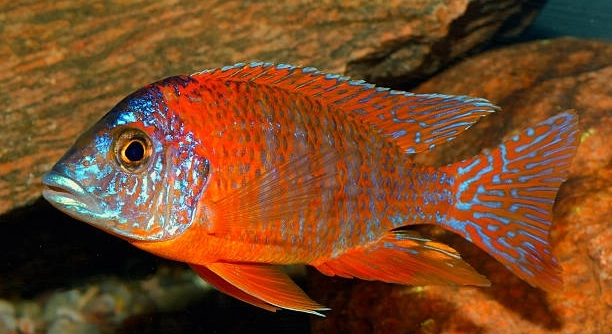
Cichlids are popular aquarium fish admired for their bright colors and unique shapes. Many hobbyists enjoy photographing them to capture their beauty and behavior. Getting good photos of cichlids can be challenging without the right techniques.
Capturing high-quality images of cichlids requires proper lighting, camera settings, and patience. Understanding fish behavior, minimizing reflections, and using appropriate equipment are key to obtaining clear, vibrant photos that showcase the fish’s natural colors and movements.
Mastering these tips will help you improve your cichlid photography skills and create better images to enjoy and share.
Choosing the Right Equipment
Having the right equipment makes a big difference in capturing good photos of cichlids. A camera with manual settings is helpful, as it allows you to control focus, shutter speed, and ISO. Using a macro lens or zoom lens will help you get close-up shots without disturbing the fish. A tripod can keep your camera steady and prevent blurry images. When shooting in low light, a camera with good performance at high ISO settings is useful to avoid grainy photos. Avoid using a flash directly on the tank, as it can cause reflections and scare the fish. Instead, use natural light or an external light source positioned to reduce glare. Also, cleaning the aquarium glass before shooting can greatly improve image clarity by removing spots and smudges that may appear in photos.
Taking time to prepare your gear properly can help you get sharper and more vibrant images of your cichlids.
Preparing your camera and tank beforehand ensures better photo results and a smoother experience during the shoot.
When selecting equipment, consider how much control you want over settings. Automatic modes may work for quick snapshots, but manual adjustments allow for better focus on details like colors and movement. Investing in lenses suited for close-up fish photography can improve image sharpness and composition. Also, keep spare batteries and memory cards handy to avoid interruptions. Setting up near a window during daylight hours can provide soft, natural lighting that highlights the fish’s colors without harsh shadows. If possible, avoid reflections by positioning your camera at an angle and using a polarizing filter to reduce glare on the glass. These small adjustments in equipment and setup can significantly improve the quality of your cichlid photos.
Understanding Fish Behavior
Knowing how your cichlids behave helps in capturing better photos. Fish tend to move quickly, but they often pause or swim slowly when comfortable. Observing when your fish are calm and active makes it easier to predict their movements. Some cichlids hide when stressed, so creating a quiet environment reduces sudden movements or loud noises. Patience is key; waiting for the right moment to take a shot can make all the difference. Lighting also affects fish activity, as some species are more active under dimmer or softer light. Learning these patterns helps you prepare and catch natural, expressive poses.
Watching fish closely gives insight into the best times and angles for photography.
Managing Lighting and Reflections
Lighting plays a crucial role in fish photography. Avoid direct flash, which causes reflections and can frighten fish. Use soft, natural light or an external light source positioned to minimize glare on the glass.
Controlling reflections is often a challenge when photographing cichlids. Position your camera at an angle to the aquarium glass rather than shooting straight on. This reduces reflections from room lights or windows. Using a dark cloth or cardboard around the camera lens can block unwanted reflections. If possible, shoot in a dimmer room or at times when external light is less harsh. Adjusting the aquarium’s lighting can also help highlight the fish’s colors without causing bright spots or reflections on the glass. These adjustments improve photo clarity and overall quality.
Sometimes, adding a polarizing filter on the camera lens is effective in cutting down reflections. This filter can be rotated to find the best angle that reduces glare. It also enhances color saturation, making the cichlids’ natural hues more vibrant. Experiment with different lighting setups and angles to find what works best for your tank. Proper lighting control gives your photos a more professional and appealing look.
Using Camera Settings Effectively
Manual camera settings give you the best control over photo quality. Set a fast shutter speed to freeze fish movement and avoid blur. Adjust ISO for balanced brightness without too much noise.
Choosing the right aperture is also important. A wider aperture (lower f-number) creates a shallow depth of field, which can isolate the fish from the background. This makes the subject stand out, but focus becomes more critical. A smaller aperture increases the depth of field, keeping more of the scene sharp but may require more light. Balancing aperture, shutter speed, and ISO will help you get sharp, well-exposed photos. Use continuous autofocus if your camera supports it, as fish move unpredictably. Practice with these settings to find the right combination for your aquarium conditions.
Timing Your Shots
Capturing the best moments depends on timing. Early mornings or late afternoons often provide calmer fish and softer light, making it easier to take clear photos.
Avoid sudden movements near the tank, as these can startle the fish and ruin your shot.
Keeping the Aquarium Clean
A clean tank helps produce clearer photos. Smudges, algae, or debris on the glass can obscure your subject and reduce image quality. Regular cleaning of the aquarium’s exterior and interior surfaces is essential.
Clear water also improves visibility, so maintaining good filtration and water quality is important for both fish health and photography.
Post-Processing Basics
Editing your photos can enhance colors, sharpness, and contrast. Simple adjustments in photo editing software can make a significant difference. Avoid over-editing to keep images natural-looking. Focus on correcting exposure and removing minor distractions.
Being Patient
Patience is important when photographing fish. Waiting quietly for the right moment often results in better shots than rushing. Giving fish time to settle helps capture their natural behavior and colors.
FAQ
How can I avoid reflections when photographing cichlids?
Reflections are a common issue when shooting through aquarium glass. To minimize them, position your camera at an angle instead of shooting straight on. Using a polarizing filter can also help reduce glare. Additionally, shooting in a dimly lit room or covering bright light sources around the tank will cut down unwanted reflections.
What camera settings work best for fish photography?
A fast shutter speed (1/125 second or faster) is ideal to freeze fish movement and avoid blur. Use a moderate ISO (400–800) to keep noise low but still get enough light. Aperture depends on the effect you want—wider apertures isolate the fish with a blurry background, while smaller apertures keep more of the scene in focus.
Is it better to use natural light or artificial light?
Natural light is often softer and shows colors more accurately but can be inconsistent. Artificial lights allow you to control brightness and direction, which helps reduce reflections and shadows. Using aquarium LED lights or external soft light sources is usually best for consistent results.
Should I clean the aquarium before photographing?
Yes. Clean glass and clear water are crucial for sharp photos. Smudges, algae, or particles on the glass can blur or distort the image. Make sure to wipe both the inside and outside surfaces carefully before shooting. Also, ensure water quality is good to keep fish healthy and vibrant.
How do I capture the natural colors of my cichlids?
Correct lighting and camera white balance settings are key. Avoid harsh flash and use softer, diffused lighting. Adjust your camera’s white balance to match the light source, such as daylight or fluorescent settings. Post-processing tools can enhance colors, but avoid over-editing to keep photos true to life.
What lens is best for photographing fish?
A macro lens or a zoom lens with a close focusing distance works well. These lenses let you get detailed close-up shots without disturbing the fish. If you don’t have a specialized lens, use the closest focusing option your camera offers and shoot through clean glass.
How do I get my fish to stay still for photos?
Fish move naturally, but you can increase your chances of a good shot by being patient and quiet. Avoid sudden movements or tapping on the glass. Photograph during calmer times, such as early morning, and watch for moments when the fish pause or swim slowly.
Can I use a smartphone for cichlid photography?
Yes, smartphones can take good photos with the right techniques. Use natural light and clean the glass before shooting. Keep the phone steady or use a tripod attachment. Avoid using the phone’s flash directly on the tank to reduce reflections.
How can I improve focus on moving fish?
Use continuous autofocus mode if your camera supports it. This setting tracks moving subjects and adjusts focus automatically. Increase shutter speed to reduce motion blur, and take multiple shots to increase your chances of a clear image.
What are some common mistakes to avoid?
Avoid shooting with dirty glass, using direct flash, or photographing at odd angles that cause distortion. Don’t rush the process; patience is key. Also, avoid over-editing photos, which can make them look unnatural.
How important is post-processing for fish photos?
Post-processing is useful for enhancing color, contrast, and sharpness. Simple adjustments can bring out details and correct exposure issues. However, keep edits subtle to maintain a natural look that accurately represents your fish.
What should I do if the water causes distortion in photos?
Try positioning your camera lens as close to the glass as possible to minimize distortion caused by water and glass thickness. Using a lens hood or placing a rubber lens cup against the glass can help reduce reflections and improve clarity.
Can I photograph fish at night?
Photographing fish at night requires good artificial lighting since natural light won’t be available. Use aquarium lights or soft external lights to avoid startling the fish. Keep shutter speed fast to capture clear images despite lower light levels.
How often should I take photos to improve?
Practice regularly to learn your fish’s behavior and improve your technique. Frequent shooting helps you understand how light and settings affect your photos. Over time, you’ll develop a better sense of timing and camera control.
Is it better to shoot video or still photos?
Still photos capture specific moments and details, while video records behavior and movement. Both can be useful, but still photos often require more careful setup and timing. Video allows you to capture natural actions and later choose good frames for screenshots.
Capturing good photos of cichlids takes time and patience. These fish move quickly and live behind glass, which can make it hard to get clear shots. Using the right equipment, paying attention to lighting, and understanding fish behavior can help improve your pictures. It’s important to prepare your camera and tank before you start shooting. Cleaning the glass and setting up the right light will make a big difference. Also, being patient and waiting for the right moment often leads to better photos than rushing.
Camera settings matter a lot when photographing cichlids. A fast shutter speed helps freeze movement, and adjusting ISO can balance brightness and noise in your images. Using manual focus or continuous autofocus lets you keep the fish sharp, even as they swim. Sometimes natural light works well, but you may need to add soft artificial lighting to avoid reflections and highlight the fish’s colors. Using a polarizing filter or shooting at an angle reduces glare on the glass. Experimenting with different settings and light setups will help you find what works best in your situation.
After taking photos, editing them slightly can improve the final result. Basic adjustments like increasing sharpness, tweaking exposure, or enhancing color can bring out the details in your cichlids. However, avoid making the photos look unnatural by over-editing. Remember, the goal is to show the fish’s true beauty and colors. With practice and attention to detail, your cichlid photos will get better over time. The effort you put into learning these tips will be worth it when you capture clear, vibrant images you can enjoy and share.

Hello,
If you enjoy the content that we create, please consider saying a "Thank You!" by leaving a tip.
Every little bit helps us continue crafting quality advice that supports the health, happiness, and well-being of pets around the world, for pets of all shapes, sizes, and species.
We really appreciate the kindness and support that you show us!