
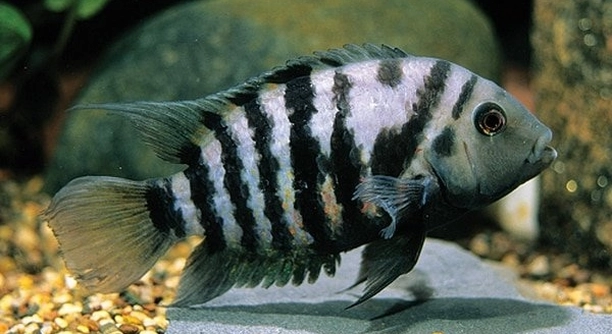
Cichlids are popular aquarium fish known for their bright colors and interesting behaviors. Sometimes, these fish suddenly freeze in place, catching the attention of their owners. This article explains why cichlids may exhibit this stillness.
Cichlids freeze in place primarily as a response to stress, fear, or environmental changes. This behavior serves as a defense mechanism, allowing them to avoid detection by predators or cope with discomfort in their surroundings.
Understanding this behavior can help you create a better environment for your fish and ensure their well-being in your aquarium.
Why Cichlids Freeze: Stress and Environment
Cichlids are sensitive to changes in their environment, and stress is a common reason they freeze in place. Sudden loud noises, bright lights, or aggressive tank mates can make them feel threatened. When a cichlid senses danger, it may stay very still to avoid drawing attention. Poor water quality or sudden temperature changes can also stress them and cause this behavior. Sometimes, freezing is a way for the fish to assess the situation before moving again. Understanding these triggers helps in creating a calm and stable environment, which is important for their health. Watching how your cichlid reacts to its surroundings can guide you in making adjustments to reduce stress.
Stress causes cichlids to freeze by making them cautious and alert to threats. This behavior helps them avoid harm in uncomfortable situations.
Keeping tank conditions stable and minimizing sudden changes can reduce the chance of your cichlid freezing. Regular water tests and gentle handling are key steps to prevent stress-related behaviors.
How to Help Your Cichlid Feel Safe
Creating a peaceful tank environment is essential for your cichlid’s comfort. Avoid placing the aquarium in noisy or high-traffic areas. Use gentle lighting that mimics natural conditions, and provide plenty of hiding spots with plants or decorations. It’s also important to choose compatible tank mates to reduce aggression. Maintaining good water quality with regular cleaning and stable temperature helps keep stress levels low. If you notice your cichlid freezing often, observe if anything new has changed in the tank or routine. Sometimes, simply rearranging the tank or adding shelter can make a big difference. These small changes help your fish feel secure and encourage normal, active behavior. When your cichlid feels safe, it will spend less time frozen and more time exploring its home.
Common Signs That Your Cichlid Is Stressed
When cichlids are stressed, freezing in place is one clear sign. They may also hide more often or lose interest in food. Rapid gill movement or erratic swimming can show discomfort as well. Recognizing these signs early can prevent more serious health problems.
Stress in cichlids often comes with changes in behavior and appearance. Aside from freezing, they may become pale or show faded colors. Sometimes they cling to one spot or float near the surface, avoiding activity. These signs suggest the fish is not feeling well or safe. Stress weakens their immune system, making them vulnerable to disease. Observing your fish daily helps catch problems before they worsen.
Stress can be caused by overcrowding, poor water conditions, or aggressive tank mates. Keeping the tank clean and maintaining the right temperature can improve their well-being. A peaceful environment encourages natural behavior, reducing stress-related freezing.
The Role of Temperature and Water Quality
Cichlids need stable temperature and clean water to stay healthy. Sudden drops or spikes in temperature can cause shock and make them freeze. Water that is dirty or unbalanced with chemicals also stresses fish, affecting their behavior.
Maintaining proper water parameters is key to preventing freezing and other stress responses. Regular water changes and testing for pH, ammonia, and nitrates help keep the tank safe. Using a reliable heater and thermometer ensures temperature stays within the ideal range. Poor water quality can irritate gills and weaken fish, causing lethargy and freezing. Clean water supports oxygen levels, making it easier for cichlids to stay active and comfortable in their environment.
How Tank Mates Affect Cichlid Behavior
Aggressive or overly active tank mates can cause cichlids to freeze as a defense. They may feel threatened and stay still to avoid confrontation. Choosing peaceful companions helps reduce this stress.
Proper selection of tank mates supports a calm environment. Avoid mixing highly aggressive species with cichlids to prevent constant fear or stress-induced freezing.
Feeding Habits and Freezing
Cichlids may freeze when hungry or unsure about food. They often pause to assess the environment before eating, especially if the tank feels unsafe.
Physical Health Issues That Cause Freezing
Sometimes freezing can signal illness or injury. Parasites, infections, or internal problems can make cichlids less active and more prone to freezing.
Lighting and Its Impact on Behavior
Bright or flickering lights can startle cichlids, causing them to freeze. Using soft, consistent lighting helps keep them calm and active.
FAQ
Why do my cichlids suddenly stop moving and freeze?
Cichlids freeze as a natural response to stress or perceived threats. When they feel scared or uncertain, staying still helps them avoid attention from predators or aggressive tank mates. Environmental changes like loud noises, sudden movements, or bright lights can trigger this behavior.
Is freezing harmful to my cichlid?
Freezing itself is not harmful, but it can be a sign of stress or illness. If your cichlid freezes frequently or for long periods, it’s important to check water quality, tank conditions, and overall health. Chronic stress weakens their immune system and can lead to disease.
How can I tell if freezing is due to illness?
If freezing comes with other symptoms like loss of appetite, discoloration, clamped fins, or labored breathing, illness may be the cause. Parasites, infections, or injuries can make fish less active. Consulting a vet or experienced aquarist is recommended if you suspect illness.
Can water temperature cause freezing behavior?
Yes, sudden drops or fluctuations in temperature can shock cichlids, causing them to freeze. Keeping water temperature stable within the species’ preferred range is crucial. Use a reliable heater and thermometer to monitor and adjust as needed.
Do tank mates affect freezing?
Aggressive or overly active tank mates can stress cichlids, making them freeze to avoid conflict. Choosing compatible species and providing enough space and hiding places helps reduce stress and freezing episodes.
Is freezing related to feeding time?
Sometimes cichlids freeze while waiting or unsure about food, especially if they feel unsafe. Offering food calmly and at regular times can help them feel secure and reduce freezing during feeding.
What role does lighting play in freezing?
Bright or flickering lights can startle cichlids and cause them to freeze. Using soft, consistent lighting that mimics natural conditions helps keep them calm and encourages normal activity.
How often should I check water quality to prevent freezing?
Regular water testing is important. Checking parameters like pH, ammonia, nitrite, and nitrate weekly helps maintain a healthy environment. Clean, stable water reduces stress and prevents freezing caused by poor conditions.
Can rearranging the tank reduce freezing?
Yes, rearranging the tank to add more hiding spots or break lines of sight can make cichlids feel safer. Providing plants, rocks, or decorations offers shelter, reducing fear and freezing behavior.
What should I do if my cichlid freezes constantly?
First, check water quality and tank conditions. Observe for signs of illness. Reduce stress factors like aggressive tank mates or sudden changes. If freezing continues, consulting a professional or aquarist can help identify underlying issues.
Freezing behavior in cichlids is a common response to stress, environmental changes, or health issues. It is important to recognize that freezing itself is not unusual or dangerous when it happens occasionally. This behavior is often a way for the fish to protect itself by staying still and avoiding attention from potential threats. However, if your cichlid freezes frequently or for long periods, it can indicate that something in its environment or health needs attention. Keeping a close eye on your fish’s behavior and the conditions in the tank helps ensure they stay healthy and comfortable.
Maintaining a stable and clean environment is key to preventing stress-related freezing. Proper water quality, consistent temperature, and suitable lighting all play important roles in your cichlid’s well-being. It is also helpful to choose compatible tank mates and provide plenty of hiding places so your fish can feel safe. Sometimes, small adjustments like rearranging decorations or reducing sudden noises can make a big difference. Watching how your cichlid responds to these changes will give you insight into what makes them feel secure or stressed.
If freezing continues despite a good environment, it might be related to illness or injury. Pay attention to other signs such as changes in appetite, color, or movement. When health problems are suspected, prompt action is important to avoid serious issues. Regular tank maintenance, observing your fish closely, and learning about cichlid care are the best ways to keep your fish happy and active. Overall, understanding why cichlids freeze can help you create a better home for them and enjoy their unique behavior with confidence.

Hello,
If you enjoy the content that we create, please consider saying a "Thank You!" by leaving a tip.
Every little bit helps us continue crafting quality advice that supports the health, happiness, and well-being of pets around the world, for pets of all shapes, sizes, and species.
We really appreciate the kindness and support that you show us!