
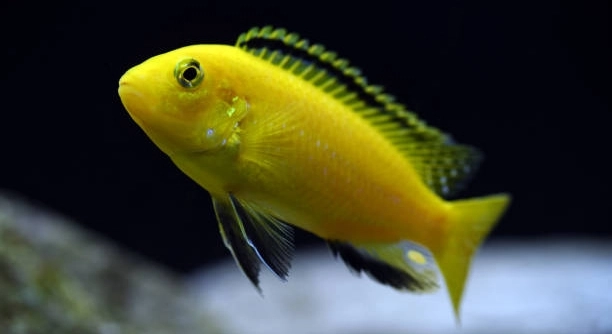
Cichlids are popular freshwater fish often kept in home aquariums. Many fish enthusiasts observe their behavior closely and wonder about their cognitive abilities, especially regarding their interaction with reflections in a mirror or glass. Understanding this behavior can reveal much about their awareness and instincts.
Research shows that cichlids generally do not recognize themselves in reflections. Instead, they often interpret their reflection as another fish, leading to behaviors like aggression or curiosity. This suggests limited self-awareness but strong territorial responses to perceived intruders.
Exploring how cichlids react to their reflections can offer insights into their social behavior and environmental needs in captivity. This knowledge helps create better care strategies and enriches the aquarium experience for both fish and owners.
How Cichlids React to Their Reflection
When cichlids see their reflection, they usually think it is another fish. This causes different behaviors depending on the species and the individual fish. Some cichlids become aggressive, trying to defend their territory against what they believe is a rival. Others might show curiosity by swimming closer or trying to interact. Some fish may even display signs of stress if they cannot escape the reflection. This reaction is common because cichlids are naturally territorial, and any unfamiliar fish in their space can trigger defensive behaviors. However, these reactions don’t mean the fish recognize themselves; instead, they respond to what they perceive as a threat or an opportunity to establish dominance.
Fish in aquariums often face reflections from glass walls or objects nearby, which can lead to repeated aggressive displays. This might be tiring or stressful for the fish, so monitoring their behavior around mirrors or shiny surfaces is important to maintain a healthy environment.
Avoid placing mirrors or reflective objects near the tank for long periods. Instead, provide hiding spots and natural decorations to reduce stress and encourage natural behaviors.
Signs of Self-Awareness in Fish
Some studies suggest very few fish show true self-recognition. Cichlids usually lack this ability, reacting instinctively to reflections without realizing it is themselves.
Self-awareness in animals is often tested through mirror tests, where the subject must recognize a mark on its body seen only in the reflection. Most cichlids do not pass this test, indicating limited cognitive recognition. Instead, their responses are based on social instincts rather than self-awareness.
Still, cichlids are intelligent in other ways. They learn from their surroundings, remember territorial boundaries, and adjust behaviors based on experience. While they don’t recognize themselves in mirrors, their reactions provide insight into their complex social nature and survival strategies. Understanding these behaviors helps in creating better habitats that meet their psychological and physical needs.
Effects of Mirror Exposure on Cichlids
Long exposure to mirrors can increase stress levels in cichlids. They often react aggressively or become anxious, which affects their overall health.
When cichlids see their reflection repeatedly, they may act more territorial and show signs of agitation. This can lead to increased aggression towards their own reflection or other tank mates, creating tension in the aquarium. Prolonged stress weakens their immune system and can result in illness or decreased appetite. It is important to limit mirror exposure and watch for signs of stress, such as rapid breathing, hiding, or loss of color.
Providing varied tank decorations and visual barriers can reduce the impact of reflections. These changes help cichlids focus on their environment rather than reacting to a perceived intruder. Avoiding mirror exposure promotes a calmer, healthier fish.
How to Use Reflections for Enrichment
Reflections can be used carefully to stimulate cichlids, encouraging natural behaviors like territorial displays without long-term stress.
Brief mirror exposure can offer mental stimulation, giving cichlids a chance to display natural instincts such as defending territory. Short, controlled mirror sessions help fish exercise their responses without causing prolonged anxiety. This can improve their activity levels and provide a change in their environment. However, mirrors should not be left in the tank permanently, as constant exposure leads to frustration and stress.
Using reflections thoughtfully as an enrichment tool requires careful timing and observation. Monitoring your fish’s behavior will help ensure that mirror use remains positive and does not harm their well-being.
Identifying Stress in Cichlids
Signs of stress in cichlids include loss of color, hiding more often, and changes in appetite. Recognizing these signs early helps prevent health issues.
Stress can also show through erratic swimming or aggression toward other fish. Monitoring behavior closely is key to keeping cichlids healthy and comfortable.
Alternatives to Mirrors for Stimulation
Using plants, rocks, and other decorations provides natural stimulation and hides reflections. These elements encourage exploration and reduce boredom.
Creating a complex environment allows cichlids to feel secure and express natural behaviors without unnecessary stress caused by reflections or constant visual triggers.
The Role of Social Interaction
Cichlids thrive better with proper social groups. Interaction with other fish can reduce the fixation on reflections and decrease aggressive responses.
When housed appropriately, social contact provides mental engagement and helps cichlids establish territories without mistaking reflections for rivals.
Monitoring Behavior Changes
Regularly observing your cichlid’s behavior helps detect stress or aggression early. Early detection prevents serious problems.
FAQ
Can cichlids recognize themselves in a mirror?
Cichlids do not recognize their reflection as themselves. Instead, they treat it like another fish in their territory. This usually leads to aggressive or curious behaviors rather than self-awareness.
Why do cichlids attack their reflection?
Cichlids are territorial fish. When they see their reflection, they mistake it for an intruder. This triggers defensive aggression to protect their space. It’s a natural response, not an understanding that the reflection is actually their own image.
Is mirror exposure harmful to cichlids?
Prolonged mirror exposure can cause stress and agitation in cichlids. Constant confrontation with their reflection may lead to exhaustion, reduced appetite, or illness. Short and occasional exposure is safer but should still be monitored.
Can mirror use benefit cichlids?
Short mirror exposure can stimulate cichlids mentally by encouraging natural territorial behaviors. It can act as enrichment when used sparingly, but it must be carefully timed to avoid causing long-term stress.
How can I tell if my cichlid is stressed from seeing its reflection?
Look for signs like loss of color, hiding more than usual, erratic swimming, or decreased appetite. Aggressive attacks toward the glass or frequent chasing of the reflection also suggest stress.
What should I do if my cichlid shows stress from reflections?
Remove or cover reflective surfaces in or near the tank. Add plants, rocks, or decorations to break up reflections. This helps reduce stress and makes the environment feel safer for your fish.
Are cichlids smarter than other fish?
Cichlids are known for their intelligence compared to many other fish. They can learn from experience, recognize territory boundaries, and adapt behavior based on social interactions. However, this intelligence does not extend to recognizing themselves in mirrors.
Do all cichlid species react the same way to reflections?
No, reactions vary by species and individual fish. Some are more aggressive, while others show curiosity or avoidance. Territorial species tend to react more strongly to reflections than less territorial ones.
Can social interaction reduce aggression towards reflections?
Yes. When housed with compatible tank mates, cichlids often focus on real rivals and social dynamics rather than their reflections. Proper social grouping can reduce mirror-triggered aggression.
How often should I use mirrors for enrichment?
Limit mirror exposure to short sessions, no longer than 10 to 15 minutes a few times a week. Overuse increases stress and can harm your fish’s health.
Is it normal for cichlids to stare at their reflection?
Yes, it is normal. Staring or watching the reflection happens as part of their territorial or curious behavior. It does not indicate self-recognition but rather vigilance toward a perceived rival.
Can reflections in glass affect cichlid behavior even without mirrors?
Yes, reflections on tank glass or water surfaces can trigger similar reactions. Even bright lights or shiny objects near the tank can cause the fish to react defensively.
What are better alternatives to mirrors for cichlid enrichment?
Using live plants, caves, rocks, and varied decorations provides natural stimulation. These elements allow exploration and territorial behavior without causing stress from reflections.
Do cichlids learn to ignore their reflections over time?
Some cichlids may reduce aggressive responses with repeated exposure, but most do not fully ignore the reflection. It depends on the individual fish’s temperament and environment.
Can stress from reflections affect breeding behavior?
Yes. Stress can lower breeding success, reduce egg production, and affect parental care. Keeping the environment calm and minimizing reflection exposure supports healthier breeding conditions.
How important is monitoring fish behavior regarding reflections?
Regular observation helps catch stress signs early. Adjusting the environment based on behavior improves your cichlid’s health and well-being.
Is it safe to use a mirror to identify aggressive fish?
Brief mirror exposure can help identify territorial aggression. Use caution and limit exposure to avoid stressing the fish. Always watch closely and remove the mirror if signs of distress appear.
Are there any signs that a cichlid recognizes itself?
No clear evidence shows cichlids recognize themselves in mirrors. They do not pass mirror self-recognition tests used in some animals.
What should I do if my cichlid becomes aggressive after seeing its reflection?
Reduce mirror exposure immediately. Provide hiding places and visual barriers in the tank. Consider tank mates carefully to avoid additional stress from social conflicts.
Cichlids are fascinating fish with strong territorial instincts. Their reactions to reflections are natural behaviors tied to their need to protect space and establish dominance. While they do not recognize themselves in mirrors, their responses show their awareness of what they perceive as another fish. This instinctual behavior can lead to aggression or curiosity, depending on the individual fish and species. Understanding these reactions helps in providing a better environment that respects their natural tendencies.
Managing reflections in an aquarium is important for the well-being of cichlids. Prolonged exposure to mirrors or reflective surfaces can cause stress, which may affect their health and behavior negatively. Limiting mirror exposure and providing environmental enrichments like plants and hiding spots reduce stress and encourage natural activities. Carefully balancing stimulation and calmness helps maintain a healthy, thriving aquarium where cichlids can express their instincts without harmful consequences.
Observing how your cichlids react to their surroundings is key to good care. By watching their behavior, you can detect signs of stress early and make adjustments to their environment. Creating a space with natural decor and proper social groups benefits their mental and physical health. While cichlids do not have self-recognition abilities, respecting their natural behaviors ensures they live comfortably and healthily in captivity.

Hello,
If you enjoy the content that we create, please consider saying a "Thank You!" by leaving a tip.
Every little bit helps us continue crafting quality advice that supports the health, happiness, and well-being of pets around the world, for pets of all shapes, sizes, and species.
We really appreciate the kindness and support that you show us!