
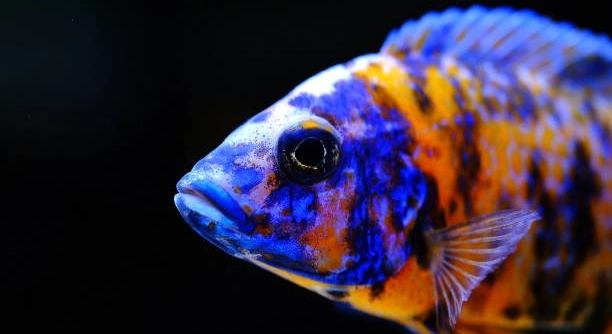
Cichlids are popular freshwater fish known for their vibrant colors and lively behavior. Many aquarium owners enjoy watching them interact and thrive in their tanks. Feeding is an important part of keeping cichlids healthy and happy.
Cichlids are capable of learning a feeding schedule through consistent timing and repetition. They respond to environmental cues and can associate feeding times with certain signals, showing a degree of routine learning.
Understanding how cichlids adapt to feeding routines can improve care and tank management. This article will explore the ways these fish recognize and adjust to their feeding times.
How Cichlids Recognize Feeding Time
Cichlids are smart fish that quickly notice patterns in their environment. When you feed them at the same time each day, they start to expect food around those moments. They watch for signals like your approach to the tank or the sound of the food container. Over time, these signs become part of their daily routine. This learned behavior helps reduce stress because the fish know when to expect meals. It also helps prevent overeating since they become less anxious and less likely to beg for food outside feeding times. The consistency you provide supports their natural instincts and promotes a stable tank environment.
Regular feeding times are essential for building this pattern in cichlids.
Feeding cichlids at consistent times can help their overall well-being. They become more relaxed and healthier when their schedule is predictable.
Training Cichlids to a Schedule
Consistency is key to training cichlids to a feeding schedule. Start by feeding them at the same times every day. Avoid changing the schedule abruptly because this can confuse the fish. Use the same feeding spot and offer food in a similar way each time. Over days or weeks, the fish will begin to associate these actions with meal times. Positive reinforcement, like feeding right after a signal such as tapping the glass, can speed up the learning process. However, patience is important; some cichlids learn faster than others depending on their species and individual temperament.
Regular routines help fish stay calm and healthy. Feeding on time also reduces waste, as you give the right amount of food they need.
By setting a clear feeding routine, you help your cichlids feel secure. This predictability makes them more active and engaged. You may notice they swim closer when you approach or show excitement at the sound of feeding. This behavior shows they have learned the schedule well. Feeding schedules also make tank maintenance easier since you can plan cleaning and monitoring around these times. Overall, sticking to a feeding schedule is beneficial for both the fish and the keeper. It creates a smoother daily experience and supports the fish’s natural habits.
Signs Cichlids Have Learned Their Feeding Schedule
Cichlids that learn their feeding schedule often show excitement before mealtime. They may swim eagerly near the surface or follow your movements around the tank. These behaviors indicate they recognize the routine and anticipate food.
These fish tend to become more active and alert as feeding time approaches. They watch for familiar cues, like tapping the glass or the sound of the food container opening. When they spot these signs, their behavior changes—they might swim closer or gather near the feeding spot. This shows they remember when to expect food. Such habits reduce their stress and improve interaction between you and your fish.
Sometimes, cichlids even begin to respond to your presence without food. This conditioned response demonstrates their learning ability. It also creates a stronger bond between the keeper and the fish, making daily care more enjoyable.
Challenges in Keeping a Consistent Feeding Schedule
Maintaining a regular feeding schedule can be difficult for some aquarium owners due to time constraints or unexpected events. Even slight changes can confuse cichlids, leading to stress or aggression.
Consistency requires effort and planning. Missing a feeding or changing times often disrupts the fish’s routine, causing anxiety or reduced appetite. It’s best to feed them at roughly the same times each day, avoiding large gaps or extra feedings. Using automatic feeders can help maintain this schedule when you are away. However, automatic feeders should be checked regularly to prevent overfeeding or mechanical failure.
Environmental factors like tank lighting or water quality can also affect how well cichlids stick to their schedule. Keeping these conditions stable supports their learning and overall health. Establishing a good feeding routine means being mindful of both timing and the tank environment.
Best Practices for Feeding Cichlids
Feeding cichlids small amounts multiple times a day helps prevent overfeeding and keeps the fish healthy. Consistency in timing supports their learning.
Using high-quality food tailored to their species ensures proper nutrition. Avoid sudden changes in diet to prevent stress and digestive issues.
Using Automatic Feeders for Cichlids
Automatic feeders can maintain a consistent feeding schedule, especially when you’re busy or away. They release measured amounts of food at set times, reducing the risk of overfeeding.
It’s important to choose a reliable feeder and monitor it regularly. Clean the feeder often to prevent clogging and keep food fresh. Automatic feeders work best when combined with occasional manual feeding to maintain interaction and observe your fish’s health.
Feeding Frequency Recommendations
Most cichlids do well with two to three feedings daily. This schedule keeps their energy steady and prevents hunger or overeating.
Adjust feeding frequency based on species, age, and tank conditions. Younger fish may need more frequent meals, while adults can manage fewer.
Common Mistakes to Avoid
Feeding irregularly or giving too much food can harm cichlids. Stick to a schedule and portion control to keep them healthy.
FAQ
Can cichlids really learn to expect food at certain times?
Yes, cichlids can learn to anticipate feeding times. When fed consistently at the same times daily, they begin to recognize signals like your approach or the sound of food. This conditioning helps them expect meals, reducing stress and improving their daily behavior.
How long does it take for cichlids to learn a feeding schedule?
The learning period varies depending on the individual fish and species, but most cichlids start showing signs of routine learning within one to two weeks of consistent feeding times. Patience and regularity are key to success.
What are the signs my cichlids have learned the feeding schedule?
Look for behaviors like swimming near the surface before feeding, following your movements, or gathering at the feeding spot when you approach. These signs show the fish are anticipating food and have adapted to the routine.
Is it okay to feed cichlids at different times occasionally?
Occasional changes won’t harm your fish, but frequent or random feeding times can confuse them. Keeping a consistent schedule helps maintain their health and reduces stress. If a change is needed, try to adjust gradually.
Can I use an automatic feeder for my cichlids?
Automatic feeders are helpful for maintaining a regular feeding schedule, especially when you’re away. Make sure the feeder is reliable and cleaned regularly to avoid jams or spoiled food. Combine with manual feedings to monitor your fish’s health.
How much should I feed my cichlids each time?
Feed small amounts that your cichlids can finish within a few minutes. Overfeeding can lead to poor water quality and health issues. It’s better to feed smaller portions multiple times a day than one large meal.
What type of food is best for cichlids?
High-quality pellets or flakes designed for cichlids work well. You can also offer frozen or live foods like brine shrimp or bloodworms occasionally to provide variety and enrichment. Avoid sudden diet changes to prevent digestive problems.
What happens if I miss a feeding?
Missing a feeding occasionally is not harmful. Cichlids can usually go a day without food. However, frequent missed meals may cause stress or weaken their immune system. Try to maintain consistency for best results.
Do younger cichlids need a different feeding schedule?
Yes, younger fish often need to eat more frequently to support growth. Feeding them three to four times daily in smaller portions is recommended. As they grow, reduce the frequency to two or three times per day.
Can feeding schedules reduce aggression in cichlids?
Consistent feeding times help reduce competition and aggression by setting clear expectations. When fish know when to expect food, they are less likely to fight over uncertain or irregular feeding. Proper portioning also prevents dominance issues related to food scarcity.
How does feeding time affect water quality?
Overfeeding leads to uneaten food that decomposes and pollutes the water. This can cause spikes in ammonia and nitrate levels, harming your cichlids. Feeding at regular times with controlled portions helps maintain cleaner water and a healthier tank environment.
Should I change the feeding schedule on weekends or holidays?
Try to keep feeding times consistent every day, including weekends. Changes can confuse the fish and disrupt their routine. If you travel or have irregular schedules, consider an automatic feeder or ask someone to help maintain feeding times.
How do environmental factors affect feeding schedules?
Lighting, water temperature, and tank activity influence cichlids’ appetite and learning. Stable conditions support better feeding habits. Sudden changes in environment may cause the fish to lose interest or become stressed, affecting their response to feeding times.
Can cichlids be trained to respond to a specific signal before feeding?
Yes, cichlids can associate signals like tapping the glass or a specific light with feeding time. Repeating the signal before feeding helps the fish learn the connection, making them more responsive and engaged during meals.
Is it possible for cichlids to forget their feeding schedule?
If the schedule is disrupted for long periods, cichlids may lose the learned routine. Regular feeding and consistent signals help maintain their memory. Sudden changes or extended breaks can cause confusion and stress.
What should I do if my cichlids don’t seem to respond to a feeding schedule?
Check if feeding times are truly consistent and avoid distractions or stressors in the tank. Some fish may be shy or slow learners. Adjust feeding methods or try positive signals like tapping to encourage response. Patience and observation are important.
Can feeding schedules help with tank maintenance?
Yes, knowing when your fish eat allows better planning for cleaning and water changes. Scheduled feeding helps reduce leftover food and waste buildup, making tank care easier and more efficient.
How important is it to observe cichlids during feeding?
Watching your fish while feeding helps spot health issues early, such as loss of appetite or aggression. It also strengthens your connection with the fish and ensures they receive the correct amount of food.
Are feeding schedules more important for certain cichlid species?
Some species are more territorial or aggressive, so consistent feeding routines can help manage their behavior. Others may be less sensitive but still benefit from predictability in their daily care. Knowing your species helps tailor the schedule effectively.
What are the risks of feeding cichlids outside their learned schedule?
Feeding outside the established routine may cause confusion, increased aggression, or overeating. It can also stress the fish and disrupt tank balance. Keeping feeding times steady supports their well-being and the aquarium’s health.
Cichlids are more intelligent than many people think. They have the ability to learn and adapt to routines, including feeding schedules. By feeding them at consistent times, you create a sense of predictability that helps reduce stress and keeps them healthier. When fish know when to expect food, they behave more calmly and seem more comfortable in their environment. This makes caring for them easier and more enjoyable.
Keeping a regular feeding schedule benefits not only the fish but also the tank’s overall condition. Overfeeding and irregular feeding can cause leftover food to pollute the water, leading to poor water quality and health problems for your cichlids. When you feed at consistent times and in appropriate amounts, the tank stays cleaner and the fish stay active and healthy. Using tools like automatic feeders can help maintain this routine, especially when your schedule is busy or you are away. Still, manual feeding is important to observe how your fish respond and to adjust care as needed.
Patience and consistency are important when working with cichlids. It may take time for your fish to fully learn their feeding schedule, but with steady habits, they will begin to show clear signs of routine recognition. Watching for their reactions before feeding helps you understand their behavior and needs better. In the end, setting a clear and steady feeding routine makes a positive difference for both the fish and the aquarium keeper, creating a smoother and healthier experience for everyone involved.

Hello,
If you enjoy the content that we create, please consider saying a "Thank You!" by leaving a tip.
Every little bit helps us continue crafting quality advice that supports the health, happiness, and well-being of pets around the world, for pets of all shapes, sizes, and species.
We really appreciate the kindness and support that you show us!