
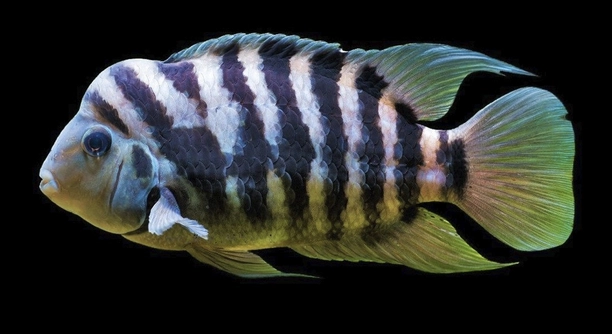
African cichlids are popular fish known for their vibrant colors and active behavior. Many fish keepers wonder about the best lighting conditions to keep these cichlids comfortable in their tanks. Lighting can affect their mood, health, and even coloration.
African cichlids generally prefer dim lighting because it mimics their natural habitat, reducing stress and encouraging natural behaviors. Bright light can cause discomfort and may lead to hiding or aggression, while dimmer light supports their wellbeing and vibrant appearance.
Understanding the right lighting setup can improve your cichlids’ health and tank environment. Let’s explore how lighting impacts these fascinating fish and what you can do to create the best conditions for them.
Lighting Conditions in African Cichlid Habitats
African cichlids naturally live in lakes and rivers with rocky areas where sunlight is often filtered through water and shadows. This means they are used to moderate to low light rather than bright, direct light. In their natural environment, sunlight doesn’t fully penetrate the water, creating a dimmer atmosphere. When kept in home aquariums, replicating this lighting helps reduce stress and supports natural behaviors like exploring and feeding. Bright lights can overwhelm them, causing hiding or aggression. Many keepers notice that dim lighting also helps the colors of cichlids appear richer and more vibrant. Using adjustable lights or placing plants and rocks to create shaded areas helps create a balanced light environment. These steps make the tank more comfortable and closer to their natural surroundings, improving their overall health.
Tank lighting should aim to replicate filtered sunlight. Use soft, adjustable lighting for best results.
Cichlids’ natural preference for shaded, dim conditions is key to their well-being. Bright lighting can cause discomfort and change their behavior, so choosing the right setup is important.
Effects of Bright Lighting on African Cichlids
Too much light can stress African cichlids by causing constant exposure to bright conditions they are not used to. This can lead to hiding or aggressive behavior as they feel threatened. In a brightly lit tank, cichlids may lose some of their vibrant colors, as stress causes dulling. Bright light can also encourage algae growth, which competes with the fish for oxygen and affects water quality. Keeping lights on for long periods without breaks can disturb their natural day-night cycle, impacting their feeding and breeding habits. By contrast, dimmer lighting helps calm the fish, reduces aggression, and supports natural activity patterns. Many keepers find that using timers to regulate light exposure and dimmers to adjust brightness creates a more balanced environment. This helps African cichlids thrive and display their true colors more consistently.
Best Lighting Setup for African Cichlids
Using dimmable LED lights works well for African cichlids because you can control the brightness easily. Positioning the lights to avoid direct glare also helps reduce stress in the fish. Creating shaded areas with rocks or plants lets cichlids retreat when needed.
Setting up the tank lighting involves balancing brightness to mimic their natural habitat. Bright overhead lights should be softened with floating plants or tank decorations that cast shadows. Timers help maintain consistent light cycles, usually 8 to 10 hours of light daily. This routine supports their natural rhythms and prevents overexposure. Avoid using harsh white or blue lights that can cause discomfort and make the environment unnatural.
Many hobbyists find that combining dim LED lighting with natural elements creates the best living conditions. These conditions promote healthy behaviors like active swimming and feeding, while also bringing out the vivid colors African cichlids are known for.
How to Adjust Lighting Over Time
Adjusting lighting gradually helps cichlids adapt without stress. Sudden changes can confuse the fish and cause them to hide or become aggressive. Starting with lower brightness and increasing it slowly over days is best. Observing their behavior during this process helps ensure they are comfortable.
Changes in seasons or tank setups might require tweaking the light schedule. If you add new plants or decorations, consider how they affect light distribution. Adjusting the light duration and intensity to maintain shaded spots is important for the fish’s comfort. Maintaining a consistent day-night cycle helps their health, including feeding and breeding behaviors. Using dimmers and timers gives control to create the best environment without shocking the fish with sudden light changes.
Signs African Cichlids Prefer Dim Lighting
When cichlids spend more time hiding or avoiding bright spots, it indicates they prefer dimmer lighting. They tend to swim actively in shaded areas and show brighter colors there.
Lethargy or faded colors often happen under strong lights. Dim lighting encourages natural behavior and helps the fish feel secure and comfortable.
Choosing the Right Light Bulbs for Your Tank
LED lights are the most popular choice for African cichlid tanks because they are energy-efficient and adjustable. Look for bulbs with a color temperature between 5000K and 7000K to mimic natural daylight without harshness. Avoid bulbs that produce excessive heat, which can stress the fish and affect water temperature. Using lights designed for aquariums ensures the right spectrum that enhances fish colors and supports plant growth. Combining LEDs with timers allows you to maintain a consistent light schedule, important for the fish’s health and comfort.
Common Mistakes with Aquarium Lighting
Overlighting or using overly bright bulbs can stress cichlids and lead to unwanted behavior. It’s important to balance brightness and allow shaded areas.
FAQ
Do African cichlids need special lighting compared to other fish?
Yes, African cichlids benefit from lighting that mimics their natural environment, which is generally dimmer than what many tropical fish prefer. Bright, intense lights can cause stress and aggressive behavior. Using adjustable, softer lighting helps keep them comfortable and shows off their colors better.
How long should the lights be on each day?
The ideal lighting period for African cichlids is usually 8 to 10 hours daily. This timing supports their natural day-night cycle, encouraging healthy feeding, activity, and rest patterns. Using a timer makes it easier to maintain this schedule consistently.
Can too little light harm African cichlids?
While dim lighting is preferred, too little light can also cause problems. Very low light may reduce their activity and affect their color vibrancy. It can also impact plants in the tank, which help improve water quality. A balanced, moderate level of light is best.
Is natural sunlight good for African cichlids?
Direct sunlight is generally not recommended because it can cause temperature spikes and encourage algae growth. Indirect natural light is fine, but it’s best to rely on controlled aquarium lighting to maintain stable conditions and prevent stress.
How can I tell if my cichlids are stressed by the lighting?
Signs of stress include hiding excessively, loss of color, lethargy, or unusual aggression. If your cichlids display these behaviors after changing the lighting, try dimming the lights or adding shaded areas to help them feel safer.
Do African cichlids change color depending on light intensity?
Yes, their colors can become dull or faded under overly bright light. Proper dim lighting enhances their natural hues, making them appear more vibrant and healthy.
Are there specific types of lights that should be avoided?
Avoid harsh fluorescent or overly bright white lights that do not offer dimming options. These can cause discomfort and stress. Also, lights that produce excessive heat should be avoided, as they can raise tank temperature beyond what is comfortable.
Can lighting affect breeding behavior in African cichlids?
Lighting does influence breeding. Consistent, moderate light helps establish a natural rhythm that encourages breeding. Sudden changes or too much light can disrupt this cycle, reducing the chance of successful spawning.
How often should I change or maintain aquarium lighting?
LED lights typically last a long time, but it’s good to check and clean light fixtures regularly to prevent dust buildup. Replace bulbs or units as recommended by the manufacturer, usually every 1 to 2 years, to ensure consistent light quality.
Should lighting be different for juvenile versus adult cichlids?
Juvenile cichlids may tolerate slightly brighter light as they are more active and need visual cues to find food. Adults generally prefer dimmer conditions that reflect their natural habitat. Adjust lighting gradually as they grow.
African cichlids thrive best when their environment closely matches their natural habitat. One of the most important factors in their care is providing the right lighting. These fish prefer dim lighting because it helps reduce stress and encourages natural behaviors like swimming and feeding. Bright, harsh lights can cause them to hide or become aggressive. Using soft, adjustable lights or creating shaded areas in the tank helps the cichlids feel comfortable and secure. When the lighting is right, their colors also appear brighter and more vibrant, making the aquarium more enjoyable to watch.
Maintaining a consistent light schedule is just as important as choosing the right type of light. African cichlids need a stable day-night cycle, usually around 8 to 10 hours of light per day. This regular pattern supports their health, feeding, and breeding habits. Using timers to control lighting can make it easier to keep this schedule steady without having to remember to turn lights on or off manually. It is also important to avoid sudden changes in lighting intensity. Gradually adjusting the brightness helps the fish adapt without becoming stressed or disoriented.
Finally, lighting is only one part of caring for African cichlids, but it plays a big role in their overall wellbeing. Providing dim, natural-feeling light that can be adjusted and timed properly creates a better environment for these fish. This helps them stay active, healthy, and colorful while showing their natural behaviors. By paying attention to their lighting needs, you can create a tank where African cichlids feel safe and thrive, making your aquarium a beautiful and peaceful space.

Hello,
If you enjoy the content that we create, please consider saying a "Thank You!" by leaving a tip.
Every little bit helps us continue crafting quality advice that supports the health, happiness, and well-being of pets around the world, for pets of all shapes, sizes, and species.
We really appreciate the kindness and support that you show us!