
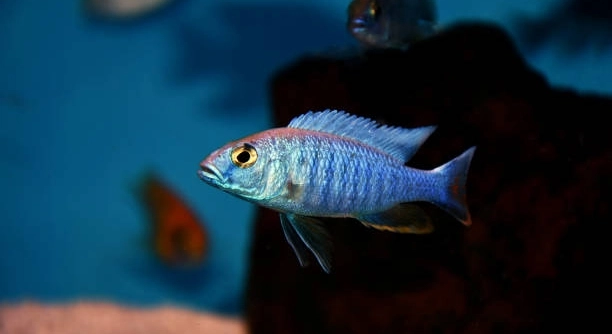
Cichlids are popular freshwater fish that many people enjoy keeping in aquariums. Their behavior and environment often raise questions about how they perceive light and dark cycles. Understanding this can help provide better care for these fascinating creatures.
Cichlids can distinguish between day and night primarily through their sensitivity to light. They rely on changes in light intensity and quality to regulate their daily activity patterns and biological rhythms, which are essential for their survival and well-being.
Knowing how cichlids respond to light can improve tank setups and help maintain their natural behavior in captivity. This insight is valuable for both hobbyists and researchers alike.
How Cichlids Use Light to Tell Day From Night
Cichlids have special cells in their eyes called photoreceptors. These cells detect light and help the fish understand when it is day or night. Light changes in their environment guide their behavior, such as when to swim actively or rest. In aquariums, this natural cycle is important to mimic. Without a clear light and dark schedule, cichlids can become stressed or confused. They might hide more or stop eating properly. Light not only affects their daily routines but also their internal body clocks. These rhythms control feeding times, mating behavior, and even growth. Providing a regular day and night cycle helps keep cichlids healthy. Aquarium owners often use timers for aquarium lights to create a stable environment. This routine supports the fish’s natural instincts. It also helps in observing normal behavior, which is a good sign of well-being.
Using timers ensures cichlids get consistent light and dark periods, mimicking natural conditions.
Adjusting light in the tank creates an environment where cichlids thrive and display natural activity patterns.
The Role of Environment and Behavior in Light Perception
Cichlids’ ability to tell day from night is influenced by their environment. In natural settings, they experience gradual light changes at dawn and dusk. This soft transition helps prepare their bodies for the day ahead or rest at night. In aquariums, sudden lighting changes can confuse them. Gradual dimming of lights is better to reduce stress. Their behavior also shows how they react to light. During the day, cichlids are more active and explore their surroundings. At night, they tend to stay near shelter or rest quietly. This behavior is linked to their survival instincts, avoiding predators and conserving energy. Tank setups that include hiding places and plants support this natural rhythm. Observing these behaviors can help aquarium keepers identify if the fish’s light environment is appropriate. When cichlids have proper light cues, they show healthier colors and better appetite. This knowledge helps in maintaining a balanced and peaceful aquarium.
Light Sensitivity and Its Effects on Cichlids
Cichlids have a high sensitivity to light, which directly influences their behavior. Too much light can stress them, while too little may make them inactive. Balancing light levels is key to their comfort.
Stress caused by improper lighting can weaken cichlids’ immune systems. In brightly lit tanks, they may hide constantly or become aggressive. On the other hand, very dim lighting can reduce their activity and affect feeding habits. Natural light cycles help regulate their hormones, keeping them balanced. Adjusting the aquarium light gradually in the morning and evening mimics natural conditions. This helps cichlids stay healthy and behave normally. Monitoring how they respond to light changes ensures their environment is well suited.
Light intensity also impacts their color display. Well-lit environments help them show vibrant colors, which is a sign of good health. However, overly intense lighting can cause fading or bleaching of their scales. It’s important to find the right lighting balance to support both their physical and psychological needs in captivity.
How Aquarium Lighting Influences Cichlid Health
Proper aquarium lighting supports cichlids’ biological rhythms and overall health. Consistent light cycles reduce stress and promote normal behavior. Artificial lighting should simulate natural patterns closely.
Maintaining a regular schedule with around 10 to 12 hours of light daily is ideal for cichlids. Using timers can help keep this consistency without hassle. The type of light also matters; full-spectrum LED lights are commonly used because they mimic sunlight well. Changing the light intensity slowly during the day helps prevent shock to the fish. Including shaded areas and plants allows cichlids to choose their preferred light level, which reduces stress. Observing how your fish react to different lighting conditions is helpful for making adjustments. Proper lighting encourages healthy feeding, breeding behavior, and vibrant coloration, contributing to a thriving aquarium environment.
Cichlids and Their Internal Clocks
Cichlids have internal clocks that help them follow daily light and dark cycles. These biological rhythms control their sleep, feeding, and activity times. They rely on consistent light cues to stay on schedule.
Disrupting these cycles with irregular lighting can cause confusion and stress. Maintaining a stable environment supports their natural patterns and well-being.
The Importance of a Consistent Light Schedule
A consistent light schedule helps cichlids regulate hormone levels tied to growth and reproduction. Sudden or frequent changes in lighting can disrupt these processes. Timers and slow light transitions are useful tools to create steady conditions. Stable lighting reduces stress and supports natural behavior, leading to healthier fish overall.
Natural Light vs. Artificial Light
Natural light changes gradually, which helps cichlids adapt smoothly. Artificial lighting should try to replicate this to prevent stress and behavioral issues in aquarium fish.
Signs of Poor Lighting Conditions
Cichlids may lose color, hide excessively, or stop eating if lighting is poor.
FAQ
Can cichlids see in the dark?
Cichlids cannot see well in complete darkness. They rely on some light to navigate and find food. At night, their vision is limited, so they tend to rest or stay near shelter to feel safe. Some species have better low-light vision, but total darkness usually means they are less active.
How much light do cichlids need each day?
Most cichlids thrive with about 10 to 12 hours of light daily. This mimics their natural habitat’s day length. Too much light can cause stress, while too little may reduce activity and affect feeding. Using a timer helps keep this schedule consistent.
What type of lighting is best for cichlids?
Full-spectrum LED lighting is usually best because it mimics natural sunlight. It helps display their colors clearly and supports their health. Avoid harsh or overly bright lights, as these can stress the fish. Soft lighting with shaded areas is ideal.
How does light affect cichlid behavior?
Light controls many behaviors, like when they feed, swim, or rest. During daylight, cichlids are active and explore their environment. When lights dim or go off, they slow down and find hiding spots. Proper lighting supports their natural rhythms and reduces stress.
What happens if lighting is inconsistent?
Inconsistent lighting confuses cichlids’ internal clocks. This can lead to stress, loss of appetite, or erratic behavior. They may become aggressive or hide too much. Keeping a regular light schedule helps prevent these problems and promotes healthy activity.
Can cichlids adapt to different lighting conditions?
Cichlids can adapt to some changes, but sudden or extreme shifts may harm their well-being. Gradual light changes in the aquarium are better. Providing places where fish can move to darker or lighter areas lets them control their comfort level.
Is it necessary to simulate dawn and dusk in the aquarium?
Simulating gradual light changes at dawn and dusk helps cichlids adjust smoothly. Sudden lights turning on or off can startle them and cause stress. Using dimmers or timers that slowly increase or decrease light intensity is beneficial.
Do cichlids sleep like humans?
Cichlids do not sleep like humans but enter a resting state during dark periods. They become less active and reduce movement. This rest is important for their health and energy. Disturbing them during this time can cause stress.
Can poor lighting affect cichlid health long-term?
Yes, poor lighting can weaken immune systems and slow growth. Stress from improper light conditions lowers disease resistance. Over time, this may lead to illness or shorter lifespan. Good lighting supports overall well-being.
Should plants be included to help cichlids with lighting?
Including live or artificial plants provides shaded areas and hiding spots, which help fish manage light exposure. Plants create a more natural environment, reducing stress and encouraging natural behavior. This makes the aquarium more comfortable for cichlids.
Caring for cichlids means understanding how they experience light and dark. These fish depend on clear light cycles to stay healthy and active. Their eyes detect changes in light, which helps them know when to be awake and when to rest. Without regular light and dark periods, cichlids can become stressed or behave strangely. Keeping a consistent lighting schedule in the aquarium is important. It supports their natural rhythms and helps them feel secure. Using timers to control aquarium lights can make this easier and more reliable. When cichlids have a steady day and night pattern, they tend to eat better, stay active, and show brighter colors.
The environment around cichlids also matters a lot. It is best to provide both light and shaded areas in the tank. This way, the fish can choose where to go depending on their comfort level. Too much bright light might cause them to hide or act nervous, while too little light can make them less lively. Plants and decorations help create these shaded spots and add to a natural feel. Gradual changes in lighting during morning and evening times also help cichlids adjust without stress. Sudden changes can startle them and disrupt their behavior. Paying attention to how your fish respond to light will guide you in making any needed adjustments for their well-being.
In the end, understanding how cichlids tell day from night leads to better care and a happier tank. Proper lighting helps keep their internal clocks working well, which affects their sleep, feeding, and overall health. When these fish live in an environment that respects their natural light needs, they show more normal behavior and remain healthier over time. Taking simple steps like setting a timer, choosing the right light, and adding shaded areas can make a big difference. Watching your cichlids thrive under good lighting is rewarding and shows you are meeting their needs. It is a small but important part of creating a balanced home for these beautiful fish.

Hello,
If you enjoy the content that we create, please consider saying a "Thank You!" by leaving a tip.
Every little bit helps us continue crafting quality advice that supports the health, happiness, and well-being of pets around the world, for pets of all shapes, sizes, and species.
We really appreciate the kindness and support that you show us!