
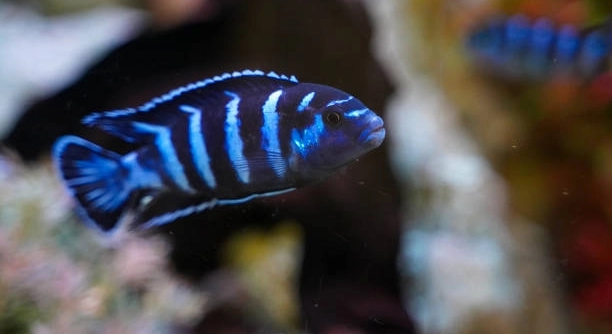
Cichlid fish show remarkable leadership in their groups, often guiding others through complex social interactions. These leaders display unique behaviors that help maintain order and protect their territory. Understanding these habits can improve your care for cichlids.
Confident cichlid leaders consistently exhibit seven key habits, including assertive territory defense, clear communication through body language, and decisive decision-making in group dynamics. These behaviors ensure social stability and successful reproduction within their aquatic communities.
Recognizing these habits can help you better support your cichlids’ natural leadership and create a balanced environment in your aquarium. This article explores these essential traits in detail.
Assertive Territory Defense
Cichlid leaders are known for being protective of their space. They mark and guard their territory to keep other fish from intruding. This behavior helps reduce conflicts and keeps the group stable. A confident leader will chase away rivals or strangers quickly. This shows strength and keeps the social order clear. The fish uses body movements, like flaring fins and changing color, to warn others before attacking. It’s a way to avoid fights that could cause harm. Maintaining a well-defined territory also helps the leader find food and places to hide. If the leader’s space is disturbed, it might become stressed or aggressive. Watching these behaviors can tell you if your cichlid feels safe or threatened. Providing enough space and hiding spots in your aquarium supports this natural behavior. A calm environment helps the leader feel secure and maintain control without constant fighting.
Territory defense is vital for confident leadership and social harmony among cichlids.
Leaders who protect their space well prevent many conflicts. This creates a peaceful setting where fish can thrive. The clearer the boundaries, the less stress in the tank.
Clear Communication Through Body Language
Cichlid leaders use specific signals to communicate with others in their group. These signals include fin displays, body postures, and color changes. When a leader feels confident, it shows bold movements and brighter colors. This tells other fish who is in charge without needing a fight. For example, raising fins can warn others to stay away, while lowering them may signal calmness. Color shifts can indicate mood or readiness to mate. These subtle signs keep the group organized and help avoid unnecessary aggression. Paying attention to these signals helps you understand how your cichlid feels. If the leader’s colors fade or it hides, it might be stressed or unwell. Encouraging natural communication means keeping the environment stable and free of sudden changes. When leaders communicate clearly, the whole group functions better, with less tension and more cooperation. This strengthens the social bonds in your tank.
Decisive Decision-Making
Confident cichlid leaders make quick and clear decisions. They do not hesitate when it comes to defending their territory or choosing where to swim.
These leaders act promptly to respond to threats or changes in their environment. Hesitation can cause confusion and weaken their control over the group. By making fast decisions, they maintain order and safety for the other fish. For example, if a predator approaches, the leader leads the group to a safe area without delay. This behavior keeps the group united and less vulnerable. A leader’s confidence comes from this ability to assess situations and act immediately. When a cichlid struggles to decide, it may lose respect from others, affecting its position. Understanding this habit helps you see why your fish may behave differently during tank disturbances.
Quick, firm decisions help keep the group balanced and secure.
Decisive leaders also guide mating and feeding behaviors. Their choices impact the group’s success in reproduction and survival, making their role very important.
Consistent Social Interaction
Confident leaders spend time interacting with others regularly. They check on their group and maintain connections through short displays and movements.
This social behavior reinforces the leader’s position and helps avoid misunderstandings. When leaders ignore the group, fish can become restless or aggressive. Consistent interaction creates trust and respect. The leader might swim close to others or show gentle displays that remind fish of their rank. These actions reduce tension and promote cooperation. Social contact also helps leaders spot problems early, like illness or conflict, allowing them to act before things escalate. By encouraging healthy interactions, the leader supports a peaceful environment in the tank. Observing these habits in your cichlid can guide you to improve tank conditions and reduce stress among fish. Regular social behavior is a key sign of strong leadership in cichlids.
Steady Calmness
Confident cichlid leaders stay calm even in stressful situations. They rarely panic or act erratically, which helps keep the group peaceful.
This calm behavior shows strength and control. When the leader remains steady, other fish feel safer and follow their example.
Protective Parenting
Many cichlid leaders show strong care for their offspring. They guard eggs and fry from threats with constant attention and defense.
Protective parenting involves cleaning the nest, moving young to safe areas, and chasing away intruders. This dedication increases the survival chances of their young, supporting the group’s future.
Adaptability
Cichlid leaders adjust their behavior based on changes in the environment or group dynamics. This flexibility helps them maintain control.
Being adaptable means the leader can handle new fish introductions, shifts in territory, or changes in water conditions without losing confidence or authority.
Maintaining Boundaries
Leaders set clear limits in their territory and social interactions. They enforce these boundaries consistently to prevent disorder or conflicts.
How can I tell if my cichlid is a confident leader?
Confident cichlid leaders show clear behaviors like defending their territory, displaying bright colors, and interacting often with other fish. They move boldly and rarely hide or freeze. Watching how your cichlid reacts to newcomers or threats can reveal its leadership role. Leaders usually chase away rivals quickly and maintain calm in stressful situations. If your fish frequently explores the tank and controls its space without hesitation, it is likely a confident leader. These signs help you understand the social structure in your aquarium.
What should I do to support a confident cichlid leader?
Make sure the tank provides enough space and hiding spots for your cichlids. Leaders need room to patrol their territory and safe places to rest. Stable water conditions and a consistent feeding schedule reduce stress and help the leader stay healthy. Avoid sudden changes in the environment, like moving decorations or introducing many new fish at once, as this can disrupt their confidence. Observing their social interactions and adjusting the tank setup to prevent overcrowding will support their natural habits. A peaceful, well-maintained tank helps leaders keep order.
Why do confident cichlid leaders sometimes become aggressive?
Aggression is often a way to protect territory or show dominance. Confident leaders use aggression to warn others and keep control of their group. This behavior usually happens when the leader feels threatened or challenged. Overcrowding or lack of hiding spots can increase aggression. Sometimes, introducing new fish disrupts the balance and causes fights. Aggression is a natural part of leadership but should not be constant or violent. Providing enough space and watching for signs of stress can help manage this behavior. If aggression becomes extreme, it might be necessary to separate fish.
Can a confident leader lose its status?
Yes, a confident leader can lose its position if it becomes weak, sick, or stressed. Illness or injury can reduce its ability to defend territory and interact with others. Sometimes a younger, stronger fish may challenge and take over leadership. Changes in tank conditions, like water quality or overcrowding, can also affect a leader’s confidence. When this happens, the former leader may hide more or avoid confrontations. Keeping your cichlid healthy and maintaining a stable environment helps prevent loss of status. Understanding this helps you support social balance in your aquarium.
How do confident leaders affect the behavior of other cichlids?
Leaders set the tone for the group. Their calm and assertive behavior helps reduce conflicts and encourages cooperation. Other fish often follow the leader’s movements and respect its space. When the leader is confident, the group tends to be more organized and peaceful. If the leader is weak or absent, fish may become more aggressive or stressed. Leaders also guide feeding and mating activities, helping the group function smoothly. Observing your tank’s social dynamics gives clues about the leader’s role and the overall health of the community.
What signs indicate a confident leader is stressed?
A stressed leader may lose its bright colors, hide more often, or act lethargic. It might stop defending territory or interacting with others. Changes in appetite and unusual swimming patterns can also signal stress. Stress can result from poor water quality, overcrowding, or illness. Watching for these signs helps you take action early. Improving tank conditions, reducing disturbances, and separating aggressive fish can help the leader recover. Supporting a leader’s well-being is important for the entire group’s balance.
Is it normal for confident leaders to sometimes lose fights?
Yes, even confident leaders can lose fights occasionally. This is part of natural social order and helps keep the group dynamic. Losing a fight doesn’t always mean the leader has lost status permanently. Sometimes it’s a test of strength between rivals. How the leader recovers and responds after a fight is important. Quick recovery and continued control over territory show true confidence. Understanding this helps you avoid unnecessary worry about occasional conflicts in your tank.
How often should I introduce new fish to a tank with a confident leader?
Introducing new fish should be done slowly and carefully to avoid upsetting the leader. Adding many fish at once can cause stress and aggression. It’s best to introduce one or two new fish at a time, giving the leader space and time to adjust. Monitor interactions closely for signs of trouble. Keeping tank conditions stable during introductions supports smooth social integration. Patience is key to maintaining a peaceful and balanced environment for all fish.
Can confident leadership change with tank size or setup?
Tank size and setup can affect leadership behavior. Larger tanks provide more territory for leaders to patrol, reducing stress and fights. Hiding spots and natural decorations help leaders establish boundaries and feel secure. In small or bare tanks, leaders may become more aggressive due to limited space. Adjusting the tank to fit your cichlid’s natural needs helps maintain confident leadership and social harmony. Watching how your fish behaves after changes gives important feedback on the setup’s suitability.
What role does diet play in maintaining a confident cichlid leader?
A healthy diet supports energy, color, and overall well-being, which are important for leadership behavior. Poor nutrition can weaken the leader, making it less able to defend territory or interact socially. Feeding a balanced diet with quality pellets, live or frozen foods helps maintain strength and vitality. Consistent feeding times also reduce stress and keep behavior predictable. Proper nutrition supports a confident leader’s ability to guide the group and maintain order in the aquarium.
Confident cichlid leaders play a vital role in keeping their groups balanced and peaceful. Their behaviors, like defending territory, clear communication, and steady calmness, help reduce stress and conflict among fish. These leaders guide others with strong, quick decisions and regular social interaction. By observing these habits, it becomes easier to understand how cichlids organize themselves and maintain order in the aquarium. This knowledge helps create a better environment for both the leader and the group.
Taking care of a confident cichlid leader means providing enough space, hiding places, and stable water conditions. Leaders need room to patrol and feel safe to show their natural behaviors. A calm and well-maintained tank helps reduce aggression and stress. Keeping the environment consistent supports the leader’s role and encourages healthy social interactions. It’s also important to watch for signs of stress or illness that may affect leadership. When the leader is healthy and confident, the whole group benefits from a smoother social life.
Understanding confident cichlid leaders can improve how you care for your aquarium. These fish use body language, clear signals, and protective actions to keep their group safe and organized. Knowing their habits helps you support their needs and handle changes carefully. Whether it’s managing new fish introductions or adjusting tank setup, supporting the leader’s confidence helps keep peace in the tank. Taking these steps creates a more enjoyable and balanced space for your cichlids to thrive.

Hello,
If you enjoy the content that we create, please consider saying a "Thank You!" by leaving a tip.
Every little bit helps us continue crafting quality advice that supports the health, happiness, and well-being of pets around the world, for pets of all shapes, sizes, and species.
We really appreciate the kindness and support that you show us!