
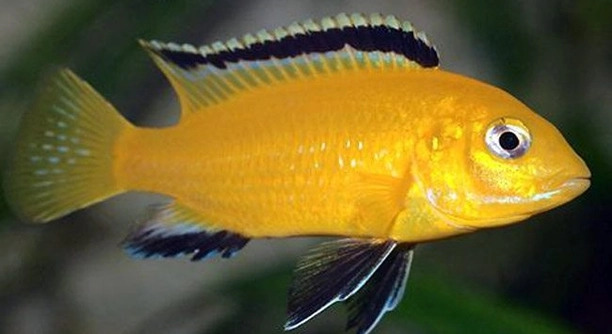
Keeping cichlids in a tank can be rewarding, but overcrowding often causes stress and health problems for the fish. Managing the number of cichlids carefully is important to maintain a balanced and healthy environment in the aquarium. This article focuses on practical ways to handle an overcrowded cichlid tank effectively.
Overcrowding in cichlid tanks reduces water quality and increases aggression, leading to disease and death. Proper handling involves reducing fish numbers, improving filtration, and providing ample hiding spaces to ensure a stable and healthy habitat.
Understanding how to address overcrowding helps protect your fish and creates a peaceful tank environment. The following tips will guide you through key steps to improve your cichlids’ living conditions.
Recognizing Signs of Overcrowding
Overcrowding in a cichlid tank often shows clear signs that can’t be ignored. Fish may become aggressive, chasing or nipping at each other more than usual. You might notice some hiding more, while others seem stressed or sickly. Poor water quality is another indication; cloudy water, strong odors, and frequent algae growth can all point to too many fish. Sometimes, the fish won’t eat properly, or their colors may fade. These signs are important to catch early because they affect the health of your entire tank. Monitoring your fish regularly helps prevent these problems from worsening. A peaceful tank is easier to care for and more enjoyable to watch.
Overcrowding stresses fish and reduces oxygen, which can quickly harm their health. Addressing this promptly is key to maintaining a good environment.
Reducing overcrowding starts with knowing the ideal tank size for your cichlids. Many species need at least 10 gallons per fish, but this varies by size and behavior. Keeping the right number means fewer fights and better water quality. It’s also helpful to rearrange decorations or add plants to create territories and reduce aggression. Regular water tests and changes keep the tank stable. In some cases, moving some fish to another tank or finding new homes is the best solution to restore balance and health.
Improving Tank Conditions
Improving tank conditions is crucial once overcrowding is identified. Increasing filtration helps keep water clean, which reduces stress and disease. A strong filter can handle waste better and keep ammonia and nitrates low, which are harmful to fish. Adding air stones or increasing surface agitation improves oxygen levels, which overcrowded tanks often lack. Lighting should be moderate to avoid stressing the fish further. Clean the tank regularly, but avoid removing too much water at once to keep the environment stable.
Along with filtration, creating hiding spots with rocks or plants helps fish feel safe and reduces aggressive behavior.
Regular maintenance is vital for improving tank conditions. Testing water parameters weekly ensures ammonia, nitrite, and nitrate levels stay safe. Changing 20-30% of the water weekly removes toxins and keeps the environment fresh. Use a gravel vacuum to clean debris from the substrate without disturbing the beneficial bacteria too much. Rearranging decorations sometimes helps reset territorial boundaries, calming aggressive fish. Adding live plants not only improves oxygen but also provides natural cover. These small changes contribute to a healthier, more balanced tank, allowing cichlids to thrive even after overcrowding issues are managed.
Adjusting Fish Population
Reducing the number of fish is often necessary to fix overcrowding. Overcrowding harms fish health and causes stress, so keeping the right population is key.
Removing extra fish can be done by finding new homes, local fish clubs, or pet stores. If rehoming isn’t possible, separating some fish into another tank helps balance numbers. Avoid sudden removal of many fish at once to reduce stress. Observe your tank’s behavior and water quality after adjustments to ensure improvements. Keeping only a manageable number makes maintenance easier and fish happier. Planning future stocking carefully can prevent overcrowding from happening again.
When adding new fish later, research their adult size and compatibility. Avoid adding too many fish at once, and quarantine new arrivals to prevent diseases from spreading. Managing the population carefully ensures your cichlid tank stays healthy and peaceful for a long time.
Feeding Adjustments for Overcrowded Tanks
Overcrowded tanks need careful feeding to avoid water pollution. Excess food breaks down and worsens water quality, which harms fish. Feed small amounts and remove uneaten food after a few minutes. This keeps the tank cleaner and reduces ammonia spikes.
Choose high-quality foods designed for cichlids, which provide better nutrition and less waste. Feeding smaller, more frequent meals helps fish digest properly and limits leftovers. Avoid overfeeding even when fish seem hungry, as this can cause health problems and water issues. Use feeding schedules and portion control to maintain balance.
Feeding in an overcrowded tank requires attention and patience. Adjust feeding based on how quickly food disappears and monitor fish behavior for signs of stress or illness. Proper feeding supports stronger fish and helps maintain stable water conditions despite population challenges.
Monitoring Water Quality
Testing water quality regularly is essential in an overcrowded tank. Parameters like ammonia, nitrite, nitrate, and pH must stay within safe levels to prevent fish stress and disease.
Keeping a log of water tests helps track changes and catch problems early. Frequent testing allows timely adjustments to maintain a healthy environment for your cichlids.
Using Live Plants to Reduce Stress
Live plants improve water quality by absorbing nitrates and producing oxygen. They also create natural hiding spots, reducing fish aggression and stress. Adding fast-growing plants helps control algae by competing for nutrients, keeping the tank cleaner and more balanced.
Avoiding Overcrowding in Future
Plan tank stocking carefully by researching fish species, adult size, and behavior. Starting with fewer fish and increasing slowly helps maintain balance and prevents future overcrowding problems.
Regular Maintenance
Consistent cleaning and water changes keep the tank stable and fish healthy, especially in crowded conditions.
FAQ
How can I tell if my cichlid tank is overcrowded?
Signs of overcrowding include increased aggression, fish hiding more often, faded colors, and poor water quality like cloudy water or strong odors. You might also notice fish not eating well or more frequent illness. Regular observation helps catch these early.
What is the ideal number of cichlids per gallon?
This depends on the species, but a common guideline is about 1 inch of fish per gallon. Larger or more aggressive cichlids need more space, often 10 gallons or more per fish. Research your specific cichlid’s needs for best results.
Can overcrowding cause disease?
Yes, overcrowding stresses fish and lowers water quality, which weakens their immune systems. This creates an environment where diseases spread quickly and recovery is difficult. Keeping numbers balanced helps prevent these health issues.
What steps should I take immediately if I find my tank is overcrowded?
First, test your water for ammonia, nitrite, and nitrate levels. Then remove some fish if possible or move them to a separate tank. Increase filtration and perform partial water changes. Add hiding places to reduce stress and aggression.
Is it okay to add more plants in an overcrowded tank?
Yes, live plants improve oxygen levels and absorb harmful nitrates. They also provide hiding spots, which help reduce fish aggression. Fast-growing plants can also limit algae growth, making the tank healthier overall.
How often should I change water in an overcrowded cichlid tank?
Perform 20-30% water changes weekly to keep toxin levels down. Avoid changing too much water at once, which can stress fish. Frequent small changes help maintain stability and better water quality.
What type of filter works best for an overcrowded tank?
A high-capacity filter that provides mechanical, chemical, and biological filtration is best. Canister filters or large hang-on-back filters often work well. They help keep the water clear and reduce harmful waste buildup.
Can overcrowding affect fish behavior?
Yes, overcrowding increases aggression and stress. Fish may chase or nip each other, hide more, or show signs of illness. Providing space and hiding places helps reduce this behavior and improves overall fish health.
Should I feed less in an overcrowded tank?
Feeding less but more frequently is better. Overfeeding causes leftover food, which pollutes the water. Small portions prevent waste buildup while ensuring fish get enough nutrition.
Is quarantine necessary when rehoming or moving fish?
Yes, quarantining new or relocated fish for at least two weeks helps prevent spreading disease. It’s an important step before adding fish to a crowded tank.
What can I do if I don’t have space for another tank to reduce overcrowding?
Consider rehoming some fish with local aquarists or pet stores. Another option is to upgrade to a larger tank if possible. Rearranging decorations to create territories may also help reduce aggression temporarily.
How can I prevent overcrowding in the future?
Plan carefully before adding fish by considering adult size and behavior. Start with fewer fish and increase slowly. Regularly monitor tank conditions and avoid impulsive purchases.
Are certain cichlid species better for smaller tanks?
Yes, some smaller or less aggressive species adapt better to limited space. Research species behavior and adult size to select fish suited for your tank size.
What happens if I ignore overcrowding?
Ignoring overcrowding leads to poor water quality, increased fish aggression, disease outbreaks, and higher mortality. The tank becomes harder to maintain and less enjoyable.
How long does it take for an overcrowded tank to recover?
Recovery time varies but usually takes several weeks after reducing fish numbers and improving water quality. Patience and consistent maintenance are essential during this period.
Can I keep different cichlid species together in a crowded tank?
Mixing species in overcrowded tanks often increases aggression and stress. It’s better to keep compatible species and avoid overcrowding to maintain peace.
How important are hiding spots in a crowded tank?
Very important. Hiding spots reduce stress by giving fish places to retreat. This lowers aggression and helps fish feel secure in a crowded environment.
Managing an overcrowded cichlid tank can be challenging, but it is important for the health and well-being of your fish. Overcrowding leads to poor water quality, stress, and aggression among cichlids, which can cause illness and even death. Taking steps to reduce the number of fish, improve filtration, and provide hiding spots can make a big difference. Paying attention to signs of overcrowding early helps prevent bigger problems and creates a more peaceful environment for the fish to thrive.
It is also important to maintain a regular care routine. Testing water quality often and doing partial water changes keeps the tank clean and stable. Feeding the fish the right amount of food and avoiding overfeeding prevents excess waste from building up in the water. Adding live plants can improve water conditions and give fish places to hide, which helps reduce stress. If possible, moving some fish to another tank or finding new homes can restore balance and improve health in the main tank. Planning carefully before adding new fish can prevent overcrowding from happening again.
Keeping a cichlid tank healthy requires attention and patience, especially when dealing with overcrowding. Small changes in care can lead to big improvements in fish behavior and water quality. Remember that fish need enough space, clean water, and a calm environment to stay healthy. By managing the tank population and maintaining good conditions, you help your cichlids live longer, happier lives. Overcrowding is a common issue, but with careful steps, it can be handled successfully.

Hello,
If you enjoy the content that we create, please consider saying a "Thank You!" by leaving a tip.
Every little bit helps us continue crafting quality advice that supports the health, happiness, and well-being of pets around the world, for pets of all shapes, sizes, and species.
We really appreciate the kindness and support that you show us!