
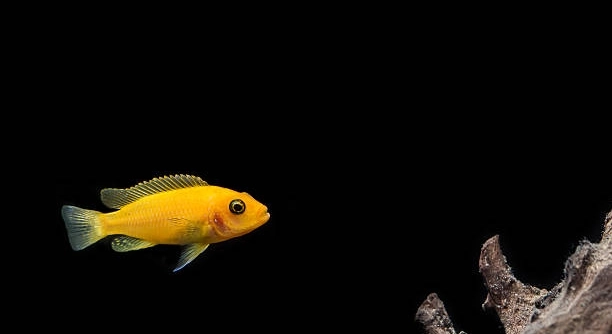
Do your cichlids often stay hidden near rocks or plants instead of swimming freely in the open areas of your tank?
Cichlids tend to avoid open water due to stress, poor tank setup, or feeling unsafe. These fish prefer environments that mimic their natural habitat, which includes plenty of hiding spots, proper lighting, and stable water conditions.
Understanding what causes this behavior can help you create a more comfortable and natural environment for your fish, promoting their health and activity.
Common Reasons Cichlids Avoid Open Water
Cichlids often avoid open water when they feel unsafe or uncomfortable in their environment. This behavior can stem from several things, including poor tank layout, lack of hiding spots, or sudden changes in water quality. These fish are territorial by nature, and open spaces can make them feel exposed. In tanks with aggressive tank mates or too much lighting, cichlids may retreat to the safety of rocks, caves, or plants. Stress is a common trigger for this kind of behavior, and even small things like frequent movement outside the tank or loud sounds nearby can affect them. Ensuring the tank is set up with natural barriers and shaded areas can make a big difference. Cichlids feel more confident when they know they have a place to retreat. Without that security, they’ll often stick to the edges or hide completely.
Stress from aggressive tank mates may also contribute to this behavior.
If your cichlids used to swim freely but are now hiding, check for recent changes. This includes water temperature, pH, or ammonia spikes. Even a small shift in conditions can lead to stress or discomfort. Also, consider the lighting—bright, unfiltered light can cause some species to retreat. Reducing lighting intensity or adding floating plants can help them feel safer. In some cases, it’s about tank layout. Too much open space and not enough structure can leave them feeling too exposed. Adding caves, driftwood, or tall plants provides both shelter and territorial markers. When cichlids feel secure, they’re more likely to come out. Lastly, make sure the tank isn’t overcrowded. Too many fish in a small space creates competition and stress, which leads to hiding. Observing their behavior closely can help you understand what might be bothering them.
Simple Fixes That Can Help
Start by rearranging the tank to create more shaded or hidden areas.
A few well-placed decorations like caves, rocks, or tall plants can make a big difference. These additions give your cichlids safe places to rest, explore, and feel protected. When they know they have cover nearby, they’re more likely to explore open spaces. Avoid overstocking the tank, and make sure all fish are compatible in temperament and size. Reducing bright lighting or switching to a softer, more natural spectrum can also help. It’s important to maintain a consistent environment, so keep water parameters stable and avoid sudden changes. Regular testing will help you stay on top of this. Feeding them at regular times and minimizing noise around the tank can also encourage more confident behavior. Over time, with a better setup and stable conditions, your cichlids will become more active and visible in open water. Patience and small changes often lead to the best results.
When Behavior Changes Suddenly
A sudden shift in behavior is often a sign something has changed in the tank. Cichlids may start hiding more if they’re stressed or sick. It’s important to notice these changes early to prevent long-term problems in the tank.
Start by checking water quality. A spike in ammonia or nitrite can cause stress and lead to hiding. Changes in temperature, pH, or hardness can also impact how your cichlids behave. Sometimes, the issue is as simple as a recent tank cleaning or rearrangement that left them feeling unsettled. New tank mates—especially aggressive ones—can also cause problems. If they’re getting bullied or outcompeted during feeding, they may avoid open areas. Look for signs of injury, damaged fins, or rapid breathing. These are clues that something’s off. Keep track of any recent changes to help identify what may be causing the shift in behavior.
If your cichlids are new to the tank, give them time. Even small changes in surroundings can make them nervous at first. It can take days or even weeks for them to feel safe enough to explore more open space. Avoid hovering around the tank too much during this time. Try to keep lighting dim and stable, and feed them quietly to help them adjust. A consistent routine makes them feel more secure. Adding floating plants or creating shaded areas can reduce stress while they settle in. If the behavior continues, go back and recheck all equipment and water levels. Something small might be throwing them off. Observation is key—watching how they interact with their environment will help you figure out what they need to feel at ease.
Tank Setup and Lighting Tips
Too much open space can make your cichlids feel vulnerable. Try adding rock formations, driftwood, or dense plants to break up sight lines and create shelter. These elements reduce stress and help your fish feel secure in their territory.
Lighting is just as important as physical decor. Bright lighting can feel harsh and uncomfortable for cichlids, especially if there aren’t enough hiding spots. Try using a lower-intensity light or add floating plants to help filter it. A more natural lighting cycle can also help reduce stress. Use a timer to provide consistent light and dark periods. Avoid turning lights on and off suddenly, which can startle your fish. If you have a deeper tank, consider using side or background lighting instead of full top coverage. This creates a softer look and gives the fish shaded areas to retreat to if needed. A few simple changes in lighting can go a long way in improving their comfort.
The layout should give your cichlids space to claim territory while still allowing movement through the tank. Place decorations along the back and sides to keep the center more open but not empty. Use taller plants or stacked rocks to add height and shelter at different levels of the tank. This gives them choices and reduces competition. Don’t forget to leave enough space between structures to prevent trapping or injuries. Regularly clean around these areas so debris doesn’t build up. Avoid overly symmetrical setups; uneven layouts feel more natural. With the right balance, your cichlids can feel safe without needing to hide constantly. A thoughtful design helps them behave more naturally and makes the tank more enjoyable to watch.
The Role of Tank Mates
Aggressive or overly active tank mates can cause cichlids to avoid open areas. If they feel threatened or outcompeted, they’ll often stay near cover. It’s important to choose tank mates that match their temperament and size.
Cichlids need space to establish territory. When the tank is too crowded or filled with incompatible fish, they may stay hidden to avoid conflict. Watch for signs of chasing, fin nipping, or stress-related behavior. If needed, rehome aggressive fish or add barriers to break lines of sight.
Feeding and Confidence
Feeding time can either help or harm a cichlid’s confidence. If they’re being pushed aside or not getting enough food, they may stay back and avoid competition. Try feeding in multiple spots or using sinking pellets that reach the less dominant fish. Keep a close eye on who’s actually eating. Uneven feeding leads to health issues and more hiding. When cichlids get their share consistently, they start to feel more secure and may explore more. You can also reduce stress by feeding at the same time each day. A steady routine helps them feel safe and improves their overall behavior.
Final Check: Is the Tank Calm?
Noise, tapping, and sudden movement around the tank can cause cichlids to retreat. Try placing the tank in a quiet spot away from high traffic areas. A calm environment outside the tank makes a big difference inside it.
FAQ
Why are my cichlids always hiding even though the water parameters are good?
Even if your water tests look fine, cichlids may still hide due to stress from other sources. Tank layout, lighting, or aggressive tank mates can all cause hiding. They might not feel safe in open water, especially if there aren’t enough hiding spots. Bright lighting or sudden movement outside the tank can also make them retreat. Also, just because water levels seem stable now doesn’t mean there wasn’t a recent spike that caused stress. It’s always good to monitor their behavior closely and look for subtle signs of discomfort.
How long does it take for new cichlids to adjust to a tank?
It can take anywhere from a few days to several weeks for new cichlids to feel comfortable. Some may explore right away, while others hide for longer. If the tank has lots of hiding spots and low lighting, they may settle faster. Try to avoid sudden changes or loud noises near the tank. Feed them at the same time each day and don’t overfeed. Give them space to adjust and observe from a distance. Slowly, they’ll begin to explore more. Patience is key during this time.
Can too much lighting cause cichlids to avoid open water?
Yes, intense lighting can make cichlids uncomfortable. In the wild, they often stay in shaded areas, so a bright tank can feel unnatural. If your tank is very well-lit and lacks cover, they might stay hidden. Try using a dimmer light setting or add floating plants to break up the brightness. Adjusting the lighting cycle can also help—keep it consistent and avoid sudden changes. A softer setup with shadowed areas usually helps them feel more secure, encouraging them to swim in the open more often.
Is it normal for cichlids to be shy?
Some cichlids are naturally shy, especially when they’re young or newly introduced to a tank. Others may become shy if they’re bullied or feel unsafe. It’s not unusual for even healthy fish to be reserved, especially in a new environment. Over time, with the right conditions, they usually become more confident. Focus on reducing stress factors—stable water, proper decor, calm surroundings—and their behavior should improve. If hiding becomes excessive or long-term, it’s worth reviewing their setup and tank mates.
What kind of tank mates should I avoid with cichlids?
Avoid pairing cichlids with aggressive species that might compete for space or food. Fast, nippy fish or large, dominant ones can intimidate them. It’s best to stick with fish that have similar temperaments and space needs. Also, stay away from species that take over the tank or constantly chase others. Cichlids need time and space to claim territory. When choosing tank mates, research their behavior, size, and water needs carefully. Even peaceful fish can cause problems if they’re too active or take up too much space.
Why are my cichlids more active at night or when the lights are off?
Cichlids often feel safer in lower light conditions. If they’re more active at night, it may mean the daytime environment is too bright or stressful. Some may also feel less watched when it’s dark, making them braver. Try using dimmer lighting or adjust the tank layout to include more cover. Observing their behavior with the lights dimmed can give you clues about what makes them feel comfortable. If their activity increases in softer lighting, it’s a sign they’re avoiding the bright daytime setup.
Can feeding habits affect how bold or shy my cichlids are?
Yes, feeding plays a big role in their behavior. If your cichlids don’t feel safe during feeding or can’t compete with others, they may stay hidden and miss meals. Over time, this leads to more stress and less activity. To fix this, feed in multiple areas, provide sinking food for bottom feeders, and monitor who is eating. Consistent feeding routines help them feel more secure. When they know food is available and they’re not being pushed away, they’ll often start coming out more during feeding time.
Should I worry if only one cichlid hides all the time?
If one cichlid is always hiding while the others are active, it could be a sign of stress, injury, or illness. Look closely for signs like torn fins, spots, or labored breathing. It’s also possible that fish is being bullied or pushed away from territory. Rearranging the tank or adding new hiding spots can help reset territorial claims. If the fish continues to hide after changes, monitor water quality again and consider separating them if needed. Early action can prevent more serious issues.
How often should I check for stress-related hiding?
Daily observation is enough in most cases. Watch for changes in swimming patterns, appetite, and interactions. If a usually active cichlid starts hiding, take note. You don’t need to interfere right away, but it’s good to log any new behaviors or changes in setup. Regular checks help catch small issues before they become big problems. If you suspect stress, start with the basics—test water, check lighting, and look at tank mates. A calm, stable tank leads to happier, more visible fish.
Final Thoughts
Cichlids are active and curious fish, but they need the right environment to feel safe enough to swim in open water. If they’re spending most of their time hiding, it usually means something in the tank setup is making them uncomfortable. This could be due to bright lighting, lack of shelter, aggressive tank mates, or sudden changes in water conditions. Even loud sounds or movement outside the tank can cause stress. Paying close attention to their behavior can help you figure out what might be wrong. When their needs are met, cichlids tend to show more natural and confident behavior.
The key is to create a balanced space where your cichlids can both explore and retreat when needed. Adding rocks, driftwood, or tall plants gives them shelter and breaks up the tank’s layout. Soft lighting and a steady routine help build their confidence. Choosing the right tank mates also makes a big difference. Fish that are too aggressive, too fast, or always competing for food can leave your cichlids feeling unsafe. By making a few small adjustments, you can often see big changes in their behavior. Once they feel more secure, they’ll start coming out more and using the open areas of the tank.
Consistency is important. Cichlids don’t do well with frequent changes or sudden disruptions. Try to keep water parameters stable, lights on a timer, and feeding times regular. If you notice something has changed in how your cichlids act, check your setup, water levels, and the behavior of other fish. Small stressors can build up over time, so it’s helpful to watch closely and act early. In the end, the goal is to create a calm and natural space where your cichlids feel at home. When they feel safe, they’ll act more like themselves—exploring, feeding, and showing off their unique personalities. Keeping them comfortable isn’t just about making the tank look nice—it’s about helping your fish live healthy, stress-free lives.

Hello,
If you enjoy the content that we create, please consider saying a "Thank You!" by leaving a tip.
Every little bit helps us continue crafting quality advice that supports the health, happiness, and well-being of pets around the world, for pets of all shapes, sizes, and species.
We really appreciate the kindness and support that you show us!