
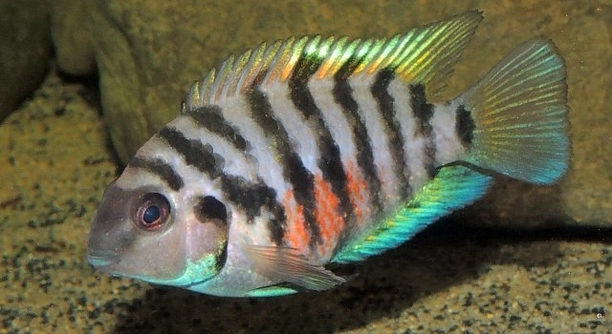
African cichlids are popular fish in home aquariums because of their vibrant colors and interesting behaviors. One of the most fascinating aspects is their breeding habits, which can be influenced by several key factors. Understanding these triggers helps hobbyists create a better environment for successful breeding.
The breeding of African cichlids is triggered by specific environmental and biological factors. These include water temperature, pH levels, diet, light cycles, territorial behavior, social structure, and stress levels. Each factor plays a crucial role in encouraging reproductive activity within these fish.
Recognizing these triggers can improve breeding outcomes and promote healthier fish in your aquarium setup. This article explains the main factors that influence African cichlid breeding.
Water Temperature and Its Role in Breeding
Water temperature is one of the most important triggers for breeding in African cichlids. These fish generally prefer temperatures between 75 and 82 degrees Fahrenheit for optimal breeding conditions. If the water is too cold or too warm, it can slow down or stop breeding altogether. Temperature affects their metabolism and readiness to spawn. When the water temperature is stable within the ideal range, cichlids feel comfortable and more likely to engage in reproductive behavior. Sudden changes or fluctuations in temperature can stress the fish, reducing breeding chances. Maintaining a consistent temperature is key, especially in home aquariums where outside factors can influence water conditions. Using a reliable heater and thermometer helps keep the temperature steady and promotes a healthy environment for breeding.
Water temperature acts as a natural signal that prepares cichlids for spawning. It helps synchronize breeding activities among the fish.
Keeping the temperature steady not only encourages breeding but also supports the overall health of the fish. Too much variation can lead to stress and disease, which lowers breeding success. For African cichlids, mimicking their natural habitat conditions by maintaining stable temperature is essential. This also includes avoiding sudden drops during water changes or nights. Consistency in temperature creates a secure environment, letting fish focus energy on mating and raising young. Proper temperature management can improve egg fertilization rates and fry survival, making it a vital factor for anyone interested in breeding these colorful fish.
pH Levels and Breeding Success
African cichlids thrive best when the pH level of the water is between 7.5 and 8.5. This slightly alkaline range is close to their natural lake environments.
The pH level influences fish physiology and breeding readiness. If the water is too acidic or too alkaline, it can cause stress and reduce spawning behavior. Regular testing and adjustments using safe buffers ensure the pH stays within the ideal range. This helps maintain fish health and encourages breeding activity. Proper pH balance also supports egg development and fry survival, making it an important factor to monitor in any breeding setup.
Diet and Nutrition
Proper diet plays a crucial role in triggering breeding behavior in African cichlids. A nutrient-rich diet improves their health and readiness to spawn.
Feeding cichlids a balanced diet high in protein helps stimulate reproductive activity. Live or frozen foods like brine shrimp and bloodworms are excellent choices, alongside high-quality pellets or flakes. This variety provides essential nutrients that promote energy and vitality needed for breeding. Avoid overfeeding, as poor water quality from excess food can harm fish health and discourage breeding. A good feeding routine combined with clean water supports successful spawning.
In addition to protein, vitamin-rich foods improve immune function, which helps fish stay healthy during breeding cycles. Supplementing their diet occasionally with fresh vegetables or spirulina can enhance color and vitality, making fish more attractive to mates. Consistency in feeding schedules and quality ensures fish maintain peak condition, increasing chances of successful breeding and healthy fry development.
Light Cycles and Breeding
Consistent light cycles influence the breeding behavior of African cichlids. They respond well to regular periods of light and darkness that mimic natural conditions.
Maintaining a light cycle of about 12 hours of light followed by 12 hours of darkness helps regulate hormonal changes necessary for breeding. Sudden changes or irregular lighting can stress fish and disrupt spawning. Using timers for aquarium lights provides consistency, reducing stress and encouraging natural breeding rhythms. Light intensity should be moderate, avoiding overly bright or dim conditions that may affect fish behavior negatively.
Proper lighting not only triggers breeding but also supports the health of aquatic plants and overall aquarium balance. Plants can provide shelter and breeding sites, which contribute to a more natural environment. Consistent light cycles help maintain fish activity patterns and improve egg laying and care. This attention to lighting creates stable conditions that promote reproductive success and overall well-being in African cichlids.
Territorial Behavior
African cichlids often become territorial during breeding. They defend specific areas to attract mates and protect eggs.
This behavior helps create safe spaces for spawning. Aggression may increase but is natural in the breeding process. Providing enough hiding spots can reduce stress and conflict.
Social Structure and Breeding
Social hierarchy influences breeding success in African cichlids. Dominant males usually control breeding rights while females select mates within this hierarchy. A stable group structure supports natural behaviors and reduces stress. Overcrowding or mixing incompatible species can disrupt social balance and prevent breeding. Maintaining appropriate group sizes and compatible fish encourages healthier interactions, which promotes spawning.
Stress Levels and Reproduction
Stress negatively impacts breeding in African cichlids. High stress levels can stop spawning and weaken fish health.
FAQ
What is the best water temperature for breeding African cichlids?
The ideal temperature range for breeding African cichlids is between 75 and 82 degrees Fahrenheit. Keeping the temperature stable within this range encourages spawning. Sudden changes can cause stress and reduce breeding activity, so using a reliable heater and thermometer is important.
How often should I test the pH for breeding cichlids?
Testing pH weekly is recommended to keep it between 7.5 and 8.5. Stable pH supports healthy breeding and reduces stress. Adjustments should be done gradually using aquarium-safe buffers to avoid shocking the fish.
What kind of diet helps trigger breeding in African cichlids?
A protein-rich diet encourages reproductive behavior. Foods like brine shrimp, bloodworms, and high-quality pellets provide necessary nutrients. Adding vitamins and fresh vegetables occasionally improves overall health and mating readiness.
How important is the light cycle for breeding?
Maintaining a consistent light cycle, typically 12 hours of light and 12 hours of darkness, helps regulate breeding hormones. Using timers keeps the cycle regular, reducing stress and promoting natural breeding rhythms.
Can aggression affect breeding success?
Yes, aggression is common during breeding because males defend territories. Providing enough hiding spots and space helps reduce conflict and stress, improving breeding outcomes.
Does social structure impact breeding?
Social hierarchy matters a lot. Dominant males usually have breeding rights, while stable group dynamics lower stress. Overcrowding or mixing incompatible fish can prevent breeding.
What causes stress in African cichlids?
Stress comes from poor water quality, sudden changes in environment, overcrowding, and aggressive tank mates. Managing these factors supports healthier fish and successful breeding.
How can I reduce stress in my breeding tank?
Keep water clean with regular changes, maintain stable temperature and pH, avoid overcrowding, and provide hiding spaces. Monitoring behavior helps catch problems early.
Do all African cichlid species breed the same way?
No, breeding behavior varies between species. Some are mouthbrooders, others lay eggs on rocks. Knowing your species’ specific habits helps create the right breeding conditions.
How long does it take for African cichlid eggs to hatch?
Eggs usually hatch within 2 to 7 days depending on species and water temperature. Warmer water speeds up development but keep it within safe limits.
Should I separate fry after hatching?
It depends on the species. Mouthbrooders keep fry in their mouths for protection, so separation isn’t needed immediately. For others, providing safe spaces or moving fry to a grow-out tank reduces risk from adults.
What signs show that African cichlids are ready to breed?
Look for color changes, increased aggression, and territorial behavior in males. Females may appear fuller and less active before spawning. Pair bonding and courtship displays are common signs.
Can poor water quality prevent breeding?
Yes, poor water quality causes stress and health issues, which stop breeding. Regular testing and maintenance are essential for breeding success.
How much space do breeding African cichlids need?
A larger tank with enough hiding spots and territories helps reduce aggression and supports breeding. Overcrowded tanks cause stress and conflict.
Is conditioning necessary before breeding?
Yes, conditioning fish with high-quality food and stable environment prepares them for spawning. Healthy, well-fed fish are more likely to breed successfully.
How do I know if eggs are fertilized?
Fertilized eggs are usually clear or slightly yellow and develop over time. Unfertilized eggs turn white and may get fungus. Removing unfertilized eggs helps protect healthy ones.
These questions cover many common concerns about breeding African cichlids. Understanding these basics makes the process smoother and more rewarding.
Final thoughts on breeding African cichlids focus on the importance of understanding the key triggers that influence their reproductive behavior. These fish respond to environmental cues like water temperature, pH, diet, light cycles, and social conditions. Each factor plays a specific role in encouraging spawning and raising healthy fry. Paying attention to these details helps create a stable and supportive environment where cichlids can reproduce naturally and thrive. Without proper care of these triggers, breeding attempts can become difficult or unsuccessful. A consistent and thoughtful approach benefits both the fish and the hobbyist.
Maintaining stable water conditions is critical for successful breeding. This includes keeping temperature within the ideal range and monitoring pH levels regularly. Sudden fluctuations in these parameters can cause stress, which negatively affects breeding behavior. Feeding the fish a balanced diet rich in protein and vitamins supports their health and readiness to spawn. Proper lighting that mimics natural day and night cycles also helps regulate hormones involved in reproduction. In addition, providing enough space and hiding places reduces territorial aggression and stress, creating a more comfortable setting for breeding activities. All these factors combined give African cichlids the best chance to reproduce successfully.
Lastly, it is important to remember that patience and observation are part of the breeding process. Not every breeding attempt will produce immediate results, and each species may have unique needs. Watching the fish carefully for signs of readiness and adjusting care accordingly can improve outcomes. Managing stress by keeping water quality high and avoiding overcrowding plays a key role in supporting breeding efforts. Overall, understanding and respecting these triggers leads to healthier fish and more rewarding breeding experiences. This knowledge can help create a balanced aquarium where African cichlids can flourish both as individuals and as a breeding community.

Hello,
If you enjoy the content that we create, please consider saying a "Thank You!" by leaving a tip.
Every little bit helps us continue crafting quality advice that supports the health, happiness, and well-being of pets around the world, for pets of all shapes, sizes, and species.
We really appreciate the kindness and support that you show us!