
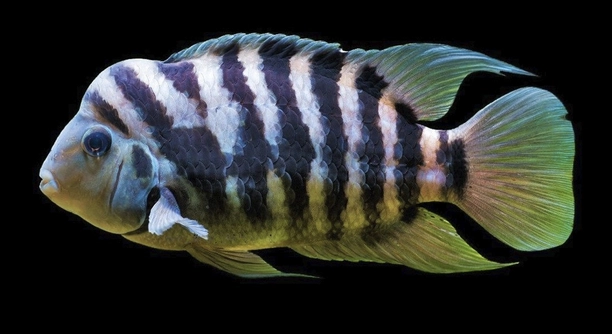
Is your cichlid acting unusual, swimming sideways instead of gliding smoothly through the water? This behavior can be concerning, especially if it’s sudden or accompanied by other changes in movement or appearance.
The most common reason a cichlid swims sideways is swim bladder disorder. This condition affects the fish’s ability to control buoyancy and maintain balance, often caused by overfeeding, constipation, infection, or physical injury.
Understanding what causes swim bladder issues and how to respond can make a difference in your fish’s recovery and overall well-being.
What Causes a Cichlid to Swim Sideways
Swim bladder disorder is the main cause of sideways swimming in cichlids. The swim bladder is an internal organ that helps the fish maintain balance in the water. When it doesn’t function properly, the fish struggles to stay upright. This issue can be triggered by overeating, constipation, infections, or injuries. Poor water quality can also contribute to the problem, making it harder for your cichlid to stay healthy. Some fish show other symptoms like floating to the top, sinking to the bottom, or swimming in circles. Watching these signs closely can help you understand what’s going on and act quickly. It’s important not to panic but to assess what might have changed in their tank or diet recently. Changes in behavior often reflect something deeper happening inside your cichlid. Acting early can make a big difference in how well and how fast your fish recovers from this imbalance.
Swim bladder disorder can affect both young and adult cichlids. It’s especially common in tanks with poor feeding habits or irregular water changes.
In some cases, underlying infections like bacterial or parasitic conditions can make things worse. These are harder to spot but may show as redness, bloating, or difficulty breathing. Keeping an eye on these signs is helpful.
How to Help a Cichlid Recover
The first step is to stop feeding the fish for 24 to 48 hours. This gives the digestive system time to reset.
After the fasting period, offer cooked, peeled peas as a natural laxative to ease constipation. Keep the tank water clean and monitor parameters like temperature, pH, and ammonia levels. Use a water testing kit to ensure safe conditions. If the problem is mild, these steps alone may improve the fish’s balance within a few days. However, if the sideways swimming continues, consider moving the fish to a separate tank with shallow water. This reduces strain and prevents injury. In more serious cases, consult a vet experienced in fish care or visit a reputable aquarium store for guidance. Antibiotic treatments or Epsom salt baths might be needed for infections or inflammation. Keep a close eye on changes in swimming, appetite, and appearance. Don’t return the fish to the main tank until it shows signs of steady improvement and a normal swimming posture. Patience and daily observation go a long way.
Common Mistakes to Avoid
Overfeeding is one of the biggest mistakes. Too much food can lead to bloating and constipation, both of which put pressure on the swim bladder. Skipping regular tank maintenance also allows harmful bacteria and waste to build up, making health problems more likely.
Using the wrong type of food can upset your cichlid’s digestive system. Floating pellets, for example, may cause your fish to swallow too much air. It’s better to soak dry food beforehand or use sinking pellets when possible. Another mistake is adjusting the tank’s temperature too suddenly. Sudden shifts can stress the fish and weaken its immune system. Always monitor the water temperature and avoid rapid changes. Finally, ignoring early symptoms can make recovery harder. If you notice odd swimming behavior, take action quickly instead of waiting to see if it goes away. Early care is often the difference between recovery and worsening symptoms.
Neglecting quarantine for new fish is another risk. New additions can bring infections that affect your whole tank. Always isolate new fish for at least two weeks to monitor them for illness. Also, avoid overcrowding, as this increases waste and stress, leading to health issues. Provide enough space and maintain a regular cleaning schedule.
Preventative Tips for Swim Bladder Issues
Feed your cichlid smaller portions once or twice a day instead of large meals. Overfeeding can quickly lead to digestive issues and buoyancy problems, especially in smaller tanks with limited space and filtration.
Keep the tank clean by doing partial water changes weekly. Use a water conditioner and check the filter regularly to avoid harmful buildup.
When to Seek Professional Help
If your cichlid continues swimming sideways after trying fasting, diet changes, and water adjustments, it may need medical treatment. Signs like a swollen belly, red patches, or labored breathing could indicate an internal infection or parasite. In these cases, consult an aquatic veterinarian or reach out to a reputable fish store with experience handling sick fish. They may recommend a proper medication or targeted treatment based on symptoms. Avoid using random over-the-counter products without knowing the cause, as it can make things worse. Timely help from a professional often prevents long-term damage and gives your fish a better chance of recovery.
Final Thoughts
Watching for small changes and acting early can prevent bigger issues. A stable environment and proper care help keep your cichlid healthy.
FAQ
Why is my cichlid swimming sideways all of a sudden?
Sudden sideways swimming often points to swim bladder problems. This can happen because of overeating, constipation, or infections. Stress from poor water conditions or injuries can also cause this behavior. It’s important to check tank conditions and diet first, as these are the easiest factors to control.
Can swim bladder disorder be cured?
Yes, many cases improve with proper care. Fasting your fish for a day or two helps relieve constipation. Feeding peeled, cooked peas can also aid digestion. Keeping water clean and stable supports recovery. If symptoms persist, medication or vet care may be needed. Early treatment increases the chance of full recovery.
How can I prevent swim bladder issues in my cichlid?
Feed small, balanced meals and avoid overfeeding. Use high-quality sinking pellets or soak floating foods before feeding. Keep tank water clean with regular changes and monitor water parameters closely. Avoid sudden temperature changes and overcrowding. Quarantine new fish before adding them to the tank to reduce disease risk.
Is it normal for cichlids to swim sideways sometimes?
Occasional sideways swimming is not typical and usually signals a health issue. Healthy cichlids swim upright and balanced. If you notice your fish tilting or rolling frequently, it’s best to investigate possible causes quickly to prevent worsening conditions.
What foods are best for preventing swim bladder problems?
A diet rich in fiber helps digestion and prevents constipation. Feeding vegetables like peas (cooked and peeled) occasionally can help. Avoid feeding only dry or low-quality pellets. Mixing in frozen or live foods provides variety and supports digestive health.
How long does it take for a cichlid to recover from swim bladder disorder?
Recovery time varies by cause and severity. Mild cases may improve within a few days after fasting and diet changes. More serious infections or injuries can take weeks with proper treatment. Continuous monitoring is key to ensuring improvement and adjusting care as needed.
Can poor water quality cause my cichlid to swim sideways?
Yes, poor water quality stresses fish and weakens their immune systems, making swim bladder problems more likely. High ammonia, nitrites, or unstable pH can harm internal organs, including the swim bladder. Regular testing and maintenance are essential to avoid these issues.
Should I isolate my cichlid if it swims sideways?
Isolating a sick fish in a quarantine tank can reduce stress and prevent spread of infection if that’s the cause. It also makes it easier to monitor and treat the fish closely. Use shallow water in the quarantine tank to help the fish maintain balance more easily.
Are there any medications for swim bladder problems?
Medication depends on the underlying cause. If bacterial infection is suspected, antibiotics prescribed by a vet may be necessary. Parasite infections require specific antiparasitic treatments. Never use medication without proper diagnosis, as this can harm your fish or tank environment.
Can swim bladder problems come back after treatment?
Yes, without proper care, swim bladder issues can recur. Preventing overfeeding, maintaining water quality, and providing a balanced diet help reduce the chance of repeat problems. Watch your fish’s behavior regularly and act early if symptoms return.
Is constipation the same as swim bladder disorder?
Constipation can cause swim bladder disorder by putting pressure on the swim bladder, making it hard for the fish to swim normally. Treating constipation through fasting and feeding peas often relieves swim bladder symptoms if this is the cause.
What role does tank size play in swim bladder health?
Smaller tanks can increase stress and waste buildup, both harmful to fish health. Providing enough space and good filtration reduces the risk of swim bladder problems and keeps your cichlid comfortable and healthy.
How does temperature affect swim bladder issues?
Temperature that is too low or fluctuates too much can weaken a fish’s immune system and slow digestion. Keeping the water temperature stable and within the species’ preferred range supports overall health and prevents swim bladder disorders.
Can physical injury cause my cichlid to swim sideways?
Yes, injuries from sharp decorations, aggressive tank mates, or rough handling can damage the swim bladder or other internal organs. Careful tank setup and gentle handling reduce the risk of injury-related swim bladder problems.
Is it necessary to consult a vet for swim bladder issues?
Consulting a vet is recommended if symptoms persist or worsen despite basic care. A vet can diagnose infections or internal problems that need specific treatments beyond diet and water changes. Early professional help improves the chances of recovery.
Final Thoughts
Understanding why your cichlid swims sideways is important for keeping it healthy and comfortable. Swim bladder problems are the most common reason behind this unusual behavior. These problems can result from several causes like overfeeding, constipation, infections, or poor water quality. Recognizing these causes helps you take the right steps quickly, which can make a big difference in your fish’s recovery. It’s important to watch your fish’s behavior closely and notice any changes early. Acting early can prevent small issues from becoming serious health problems.
Proper care is key to preventing swim bladder problems. Feeding your cichlid the right amount and type of food helps avoid digestive issues. Overfeeding or feeding the wrong food often leads to constipation, which can affect the swim bladder. Along with feeding, maintaining clean water in the tank is essential. Regular water changes and monitoring of water quality keep harmful substances like ammonia and nitrites low. These steps support your fish’s immune system and overall health. Also, avoid sudden changes in temperature or tank conditions, as they can stress your fish and increase the chance of illness.
If your cichlid shows signs of swimming sideways, try simple solutions first, such as fasting the fish for a day or two and offering cooked peas to help with digestion. Keep the tank clean and stable during this time. If the problem continues or if you see other signs like bloating, redness, or difficulty breathing, it’s best to consult a professional. A vet or experienced fish store can provide proper diagnosis and treatment options. Some cases require medication or special care that goes beyond basic steps. Remember that patience and consistent care are important during recovery. With the right attention, most cichlids can return to healthy swimming and enjoy a better quality of life.

Hello,
If you enjoy the content that we create, please consider saying a "Thank You!" by leaving a tip.
Every little bit helps us continue crafting quality advice that supports the health, happiness, and well-being of pets around the world, for pets of all shapes, sizes, and species.
We really appreciate the kindness and support that you show us!