
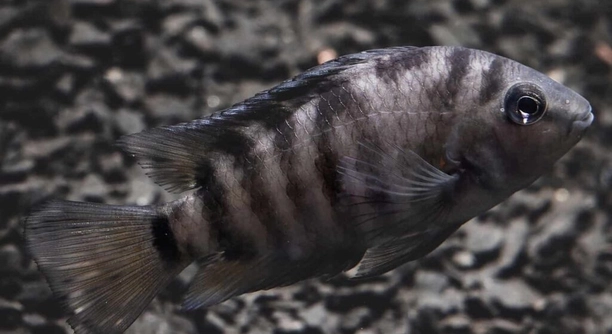
African cichlids are popular aquarium fish known for their vibrant colors and active behavior. Setting up their tank properly can help them thrive and show their best features. Choosing the right layout is important for their comfort and health.
Seven tank layouts preferred by African cichlids include rocky caves, sandy bottoms, mixed substrate, open swimming areas, planted sections, layered rock formations, and territories with hiding spots. These designs replicate their natural environment and reduce stress, promoting natural behavior and breeding success.
Knowing which layouts suit African cichlids will improve your aquarium’s environment. This guide will help you create a habitat that supports their well-being and brings out their natural beauty.
Rocky Caves and Hiding Spots
Rocky caves provide essential shelter for African cichlids. These fish come from environments filled with rocks and crevices where they feel safe. Caves allow them to retreat when stressed or during breeding. Creating these spaces in your tank helps reduce aggression by giving fish their own territory. Using smooth stones or specially designed aquarium rocks can prevent injuries. Position caves at different levels of the tank to encourage natural exploration. Avoid overcrowding the tank with too many rocks, as it can limit swimming space. The combination of hiding spots and open areas balances security with freedom, supporting healthy fish behavior and reducing stress.
Caves also serve as breeding sites. Many African cichlids lay eggs inside rocky shelters, protecting their young from predators.
A good rock cave setup requires stable stacking and secure placement to prevent collapse. Using non-toxic materials and cleaning rocks before adding them ensures water quality remains safe for your fish.
Sandy Bottom Substrate
A sandy substrate mimics the natural lake beds where many African cichlids originate. It provides a soft surface that protects their delicate fins and allows natural digging behavior. Many cichlids sift through sand to find food or create small pits for breeding. This substrate type also enhances the tank’s overall look by providing contrast to the colorful fish. Sand can be easier to clean compared to gravel, but it requires careful maintenance to avoid buildup of waste. Using fine, aquarium-safe sand is essential to prevent harm to your fish. Avoid sharp or coarse sand particles, as they can cause injuries. A sandy bottom works well when combined with rocky elements to create a balanced habitat.
Sand supports natural behaviors like digging, which reduces stress and boredom in captive cichlids.
Maintaining sand requires gentle vacuuming during water changes to keep debris from settling deep and harming water quality.
Adding smooth rocks or decorations on the sand gives the tank structure and visual interest without overwhelming the fish.
Mixed Substrate and Plants
A mixed substrate combines sand and gravel to offer a varied texture for African cichlids. This diversity supports natural digging and foraging behavior. Including hardy plants adds shelter and visual interest without overwhelming the tank.
The combination of sand and gravel provides a balanced environment that suits many cichlid species. Gravel allows for root growth and better water circulation, which benefits planted areas. The sand gives fish a soft surface to sift through and dig in. Choosing plants like Anubias or Java fern ensures they withstand the cichlids’ digging habits. Plants improve water quality by absorbing nutrients and help reduce algae growth. Together, mixed substrates and plants create a natural and stable habitat that supports both fish activity and aquarium aesthetics.
Careful planting is necessary to protect roots from being disturbed by digging. Grouping plants in clusters offers safe hiding spots and breaks the tank visually, creating distinct territories. Mixed substrate also helps maintain biological filtration by supporting beneficial bacteria in different layers.
Open Swimming Areas
Open swimming spaces are essential for African cichlids’ health and activity. These fish are active swimmers and need room to move freely without obstruction.
Providing ample open areas prevents overcrowding and reduces aggression among territorial fish. It allows them to display natural behaviors like chasing and exploring. Open spaces encourage exercise, which promotes better health and coloration. To create these zones, avoid overcrowding the tank with decorations or plants. Balance is key—combine open swimming areas with hiding spots to satisfy all behavioral needs. Proper tank size also matters; larger tanks naturally offer more swimming room. Maintaining water quality and consistent flow in open zones further supports fish well-being.
Designing the tank with open spaces reduces stress and encourages social interaction, creating a dynamic and lively environment. These areas allow fish to establish territories and hierarchy naturally.
Layered Rock Formations
Layered rock formations create natural barriers and territories within the tank. These structures mimic rocky shores and provide visual interest. They also serve as hiding places for shy or smaller cichlids, helping reduce aggression.
Stacking rocks carefully ensures stability and prevents collapse. Use flat stones to build shelves and ledges, creating multiple levels for fish to explore and claim as territory.
Territories with Hiding Spots
Clear territories help reduce fights among African cichlids. Defining spaces with rocks or plants allows fish to claim areas and avoid constant conflict.
Hiding spots within these territories are essential for retreat during stress or breeding. Providing varied spaces promotes natural behavior and overall well-being.
Planted Sections
Planted sections soften the tank environment and offer shelter. They improve water quality by absorbing nutrients and provide hiding places for young or timid fish.
Creating a Balanced Layout
A balanced tank layout combines open swimming areas, hiding spots, rocky structures, and plants. This variety meets the physical and behavioral needs of African cichlids, promoting health and reducing stress.
FAQ
What type of rocks are safe for African cichlid tanks?
Using non-toxic, aquarium-safe rocks is essential. Avoid limestone or calcareous rocks unless you want to raise the tank’s pH and hardness, which some African cichlids prefer. Smooth, natural-looking rocks like slate or lava rock are good choices because they won’t alter water chemistry and provide good hiding spots.
How much space should I leave between rocks in the tank?
Leave enough space for your cichlids to swim comfortably and explore, but small enough gaps for them to hide or rest. This balance reduces stress and aggression by giving fish room to escape and establish territories.
Are live plants necessary for African cichlid tanks?
Live plants are not strictly necessary but can improve tank health by absorbing nutrients and reducing algae growth. Some hardy plants like Anubias and Java fern tolerate the digging habits of cichlids and provide natural shelter.
Can African cichlids live with other fish species?
African cichlids are territorial and often aggressive, especially during breeding. It is best to keep them with species that can tolerate similar water conditions and aggression levels or in species-only tanks.
How often should I rearrange the tank layout?
Frequent rearranging causes stress and disrupts territory boundaries. Keep the layout stable, changing only when necessary for cleaning or maintenance. Minor adjustments can be made slowly and carefully.
What substrate is best for breeding African cichlids?
Sand is often preferred because it allows digging and creating pits, which some cichlids use for spawning. Rocky caves also provide safe breeding sites. Mixed substrates can work, but sand tends to encourage more natural breeding behavior.
How do I reduce aggression in a cichlid tank?
Provide plenty of hiding spots and clear territories. Use layered rocks, plants, and open swimming areas to break line of sight. A larger tank with more space also reduces stress and conflict.
Is lighting important for tank layout?
Lighting affects plant growth and fish behavior. Moderate lighting helps plants thrive while avoiding overly bright conditions that may stress fish. Use lighting that highlights tank features without causing excessive algae growth.
Can decorations affect water quality?
Yes, decorations made of non-aquarium-safe materials can leach harmful substances. Always choose items designed for aquarium use and clean them properly before adding them to the tank.
How do I maintain water flow with complex tank layouts?
Ensure filters and pumps are positioned to create gentle circulation throughout the tank. Avoid blocking water flow with too many decorations. Proper flow helps oxygenate water and keeps debris suspended for filtration.
Creating a suitable tank layout for African cichlids involves balancing their need for space, shelter, and natural environments. These fish thrive best when their habitat closely resembles their natural surroundings. Providing rocky caves, sandy bottoms, and open swimming areas helps reduce stress and encourages natural behavior. It is important to design the tank in a way that offers clear territories and hiding spots to minimize aggression. A well-thought-out layout supports the health and longevity of your cichlids, making your aquarium more enjoyable to watch.
Choosing the right materials for the tank setup is also essential. Rocks should be safe and stable, avoiding any that could change the water chemistry unexpectedly. Substrates like sand and gravel each have their role and benefits. Including hardy plants can improve water quality and offer additional cover, though African cichlids may disturb them by digging. Keeping decorations secure and arranging them thoughtfully prevents accidents and creates a dynamic environment. Regular maintenance and avoiding sudden changes to the layout will help your fish feel secure and settled.
In the end, creating the ideal tank for African cichlids takes some planning and attention to detail. Observing your fish and adjusting the setup when needed ensures their needs are met. A balanced environment that combines open spaces, shelter, natural textures, and proper water flow supports both their physical and social well-being. Taking these factors into account leads to a healthier, more vibrant aquarium where African cichlids can flourish and display their full beauty.

Hello,
If you enjoy the content that we create, please consider saying a "Thank You!" by leaving a tip.
Every little bit helps us continue crafting quality advice that supports the health, happiness, and well-being of pets around the world, for pets of all shapes, sizes, and species.
We really appreciate the kindness and support that you show us!