
Are your cichlids acting a little differently lately, making you wonder if they’re getting ready to breed?
Cichlids show several physical and behavioral changes when they are ready to breed, such as color intensification, territory guarding, and nest preparation. These signs can help aquarists identify breeding readiness and support the process effectively.
Understanding these clues can improve your cichlid’s care while offering a closer look into their natural breeding behavior.
Brightened Coloration
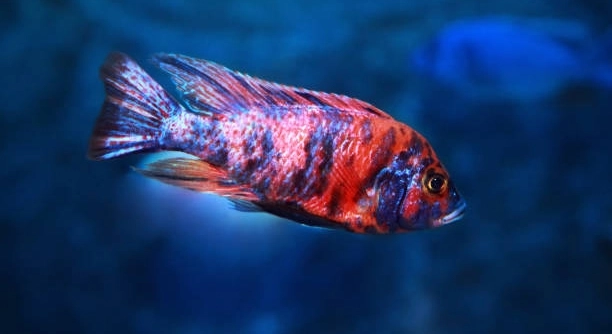
When a cichlid is ready to breed, one of the first signs is a change in coloration. Males often display brighter, more vivid colors to attract a mate and show dominance in their space. Females may also show subtle changes, although less intense. These color shifts usually appear on the body and fins, especially in species known for strong visual cues. It’s important to observe these changes over time, as they may fluctuate depending on the fish’s condition and environment. Brighter colors are also a way for the fish to stand out, making it easier for them to claim territory or signal readiness to a potential mate. If you see your cichlid suddenly become more vibrant and active, breeding could be on the horizon. Just make sure their tank conditions support this natural behavior by keeping the water clean and stable, as stress can interrupt the process.
A brighter appearance can be a reliable indicator that your cichlid is preparing to breed, especially in mature fish.
This change usually becomes noticeable before other behaviors. It can be a helpful clue if you’re still learning to identify breeding patterns. Keep monitoring for additional signs before adjusting anything in the tank.
Increased Territorial Behavior
Your cichlid may begin claiming and guarding a specific area of the tank once it’s ready to breed.
This behavior is common in both male and female cichlids, depending on the species. You might see them chasing away tank mates or frequently returning to the same spot. That space may include a cave, a flat rock, or even a corner of the tank. It’s a good idea to keep multiple hiding spots or surfaces in the tank so fish have options. If your cichlid starts showing this behavior, it’s usually a sign that they are getting close to spawning. Males especially may become aggressive during this period, which is normal. However, if aggression leads to injuries or extreme stress in other fish, consider using a divider or separate tank. These actions help reduce tension while still allowing breeding to take place. Observing how your fish interact with their space can give you useful clues about what’s coming next.
Digging or Rearranging Substrate
When cichlids are ready to breed, they often dig or move gravel to create a suitable nest. This is usually done in a specific area where they feel safe and undisturbed.
This behavior helps them clear a space for egg-laying or for guarding fry. You might notice the fish repeatedly scooping up gravel and spitting it elsewhere in the tank. Some cichlids prefer smooth surfaces for laying eggs, while others dig shallow pits. If you see your fish rearranging the tank floor, it’s often a strong signal that breeding is near. It’s also helpful to avoid rearranging the tank yourself during this time, as it can disrupt their preparation. Substrate movement is more than just a habit—it’s a natural part of their breeding cycle. Watching this behavior closely can help you time other care steps, like water changes and feeding.
Providing soft or sandy substrate can make digging easier and more comfortable for cichlids. If your tank has sharp or large gravel, consider swapping in finer material before breeding starts. Natural setups tend to bring out this behavior more clearly, especially when hiding spots or rocks are nearby. Keep the tank calm during this period so the fish feel secure enough to continue preparing their nesting area without stress or interruption.
Lip Locking or Body Quivering
Lip locking is a behavior often mistaken for fighting, but it can also be part of a mating ritual. Males and females may engage in this action to test compatibility.
This display often looks intense, but it doesn’t always lead to harm. It usually involves the two fish locking mouths and pushing against each other. While it can seem aggressive, it’s often short-lived and is followed by courtship displays, such as body quivering or swimming in circles. Body quivering is another key sign—this vibration-like movement is used to attract the opposite sex and signal readiness. If your cichlids show both behaviors, it’s a good idea to keep a close eye on them and make sure the tank is calm and well-maintained. These interactions are often brief and lead to more peaceful pair bonding once roles are established.
Both lip locking and body quivering are part of a natural cycle that helps cichlids decide if they are ready to spawn. In some cases, these actions can still lead to aggression, especially if the fish are not compatible. If you notice frequent or long-lasting fights, consider separating the fish to avoid injury. But when they are compatible, these behaviors mark the beginning of pair formation. Once a bond is formed, the pair often stays close, guards the nest, and prepares for egg-laying. Observing these signs helps you step in when needed without interfering too much in their natural process.
Pair Bonding and Close Following
When cichlids are preparing to breed, a noticeable sign is pair bonding. A male and female may begin swimming together more often, staying close, and showing little to no aggression toward each other.
This closeness often means they have chosen one another as mates. They may guard the same territory or share nesting duties once eggs are laid.
Egg Spot Display
Some cichlids, especially African species, show egg spots on their fins during breeding readiness. These spots mimic real eggs and play a role during spawning. Males display them to encourage the female to release more eggs, especially in mouthbrooding species. This behavior is specific and usually appears close to the actual spawning time.
Loss of Appetite
A cichlid that is ready to breed may eat less or skip meals entirely. This is usually temporary and linked to nesting, pairing, or guarding behavior.
FAQ
How can I tell if my cichlid is actually ready to breed or just stressed?
Distinguishing breeding readiness from stress can be tricky, but the behaviors differ. Breeding cichlids show consistent signs like brightened coloration, digging, and pairing. Stressed fish often hide, lose color, or behave erratically. Stress usually results from poor water conditions, overcrowding, or aggressive tank mates. Observing if the fish’s behavior is purposeful and stable over days can help. Breeding readiness tends to be more deliberate and tied to specific actions like nest building or guarding. Checking water quality and tank setup can rule out stress factors.
What tank conditions encourage cichlids to breed?
Stable, clean water is essential for breeding. Slightly warmer temperatures within species-specific ranges often stimulate spawning. Proper pH and hardness levels should be maintained based on the cichlid species. Providing hiding spots, caves, or flat surfaces helps the fish prepare nesting areas. Reducing tank disturbances during breeding phases supports natural behaviors. It’s also important to avoid overcrowding, as too many fish can increase aggression and stress, discouraging breeding.
How do I prepare the tank for breeding cichlids?
Start by cleaning the tank thoroughly, changing 20-30% of the water before the breeding cycle begins. Add structures like rocks, caves, or clay pots for nesting. Use fine substrate or sand for digging species. Adjust temperature and water parameters to ideal levels for your cichlid species. Remove aggressive or overly territorial fish that might harm breeding pairs. A well-planned tank setup encourages natural behavior and increases the chances of successful spawning.
What should I feed my cichlids during breeding?
Feeding should focus on high-quality, protein-rich foods to boost energy. Live or frozen foods like brine shrimp, bloodworms, and daphnia are excellent choices. Supplement with high-quality pellets or flakes designed for breeding fish. Feeding smaller portions more frequently supports energy without polluting the water. Avoid overfeeding, which can degrade tank conditions and stress fish. Proper nutrition helps improve egg quality and fry survival.
How long does the breeding process usually take?
The breeding process varies by species but generally spans from a few days to a couple of weeks. From initial pairing and nest preparation to egg-laying and fry hatching, each phase requires different levels of care and observation. Mouthbrooding species will carry eggs and fry for several weeks. Monitoring behavior daily helps track progress and adjust tank conditions as needed.
What signs indicate successful spawning?
Look for eggs laid on flat surfaces or inside caves, often guarded closely by the parents. In mouthbrooders, females may hold eggs in their mouths, appearing swollen or protective. Both parents might show increased aggression to protect eggs and fry. Clear, shiny eggs usually indicate good health. Fry movement and growth after hatching confirm success.
How can I protect the fry once they hatch?
Keep tank conditions stable and avoid disturbing the breeding pair. Consider moving fry to a separate nursery tank if aggression from adults is high. Use gentle filtration and maintain clean water with frequent small changes. Feed fry with finely crushed flakes or specialized fry food. Avoid introducing new fish or rearranging the tank during this period to reduce stress and increase survival chances.
What if my cichlids don’t breed despite showing signs?
Sometimes, environmental or social factors prevent breeding. Ensure water parameters match the species’ needs exactly. Check that tank mates are not too aggressive or disruptive. Sometimes, fish need more time or the right season cues to spawn. Adjusting lighting cycles and temperature gradually may help. Patience is important, as some cichlids can be particular about breeding conditions.
Can cichlids breed in community tanks?
Breeding in community tanks is possible but less common due to stress and interference from other fish. Aggression during breeding can harm fry or adults. If breeding is a goal, a species-specific or breeding tank is preferable. This allows better control over conditions and protection for fry. If kept in community tanks, monitor behavior closely and be ready to intervene if aggression rises.
How often do cichlids breed?
Cichlids generally breed multiple times per year when conditions are favorable. Some species have distinct breeding seasons, while others may breed year-round. Frequent breeding depends on health, diet, and environment. Overbreeding can stress fish, so it’s important to provide rest periods and maintain optimal conditions.
Do I need to separate breeding pairs from other fish?
Separating pairs can reduce aggression and protect eggs and fry. In crowded or aggressive tanks, removal helps ensure safety and reduces stress. However, some cichlids breed successfully in community settings if the environment is spacious and peaceful. Observe interactions carefully and act if fights or egg predation occur.
What are common mistakes to avoid when breeding cichlids?
Common errors include poor water quality, overcrowding, inappropriate tank setups, and inadequate nutrition. Disturbing the tank during breeding or failing to separate aggressive fish can also cause problems. Avoid sudden changes in temperature or lighting. Patience and consistency are key, as rushing the process or overhandling fish often reduces breeding success.
These answers cover key concerns about cichlid breeding. Clear signs, proper tank care, and patience are the best tools for encouraging healthy breeding and fry development.
Breeding cichlids can be a rewarding experience when you recognize the signs that your fish are ready. Paying attention to changes in color, behavior, and tank activity helps you understand their needs better. Each species shows different clues, but common signs include brighter colors, territorial behavior, digging, and close pair bonding. Watching these natural behaviors closely allows you to support your cichlids in the breeding process. Preparing the tank properly and maintaining good water conditions also play a big role in helping them succeed.
It is important to create a stable environment for your cichlids during this time. Avoid sudden changes in temperature or water quality, as stress can delay or stop breeding. Providing suitable hiding spots, soft substrate, and enough space reduces conflict and encourages natural actions. Feeding high-quality food supports the fish’s energy needs during this demanding period. Even if breeding does not happen immediately, giving your cichlids time and a calm tank increases the chances for success later. Patience and observation are essential parts of responsible fish care.
Remember that breeding is just one part of keeping cichlids healthy and happy. Monitoring their overall wellbeing before, during, and after breeding is necessary. Protecting fry, managing aggression, and maintaining clean water help both adults and young fish thrive. Breeding cichlids takes attention to detail but also allows you to learn more about their behavior and needs. With care and effort, you can enjoy watching your cichlids grow and reproduce naturally, adding a new layer to your aquarium experience.

Hello,
If you enjoy the content that we create, please consider saying a "Thank You!" by leaving a tip.
Every little bit helps us continue crafting quality advice that supports the health, happiness, and well-being of pets around the world, for pets of all shapes, sizes, and species.
We really appreciate the kindness and support that you show us!