
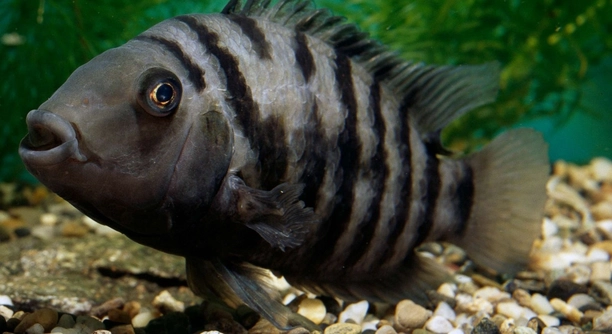
Have you ever watched your cichlids closely and noticed them locking mouths, almost like they’re engaging in a fish version of a tug-of-war? It can seem puzzling if you’ve never seen it before.
Lip locking in cichlids is most often a sign of territorial aggression or dominance behavior. It occurs when two fish are testing each other’s strength or establishing hierarchy within their environment, particularly during mating or competition.
While this behavior can look intense, it’s not always harmful. Knowing what it means can help you manage your tank better and support healthier interactions.
Why Cichlids Lock Lips
Lip locking in cichlids can seem dramatic, but it’s actually a normal part of their behavior. This act is usually a display of dominance, most common between two males competing for territory or a mate. Sometimes, it’s seen between a male and female during breeding, but it’s still about testing strength. In tanks with limited space or hiding spots, these encounters can become more frequent. Lip locking can look like fighting, but it doesn’t always lead to injury. It’s often a show of power where one fish eventually gives in and swims away. However, repeated or prolonged lip locking can cause stress, which is something to monitor in a tank environment. Cichlids are territorial by nature, and this behavior is a way to establish control without constant chasing or biting. If you’re seeing this often, your tank setup may need a few changes to ease tension among the fish.
It helps to learn how to tell the difference between a brief lip lock and signs of ongoing aggression.
A short lip lock that ends quickly is usually harmless. But when it lasts longer or happens often, it might mean the tank is too small or lacks enough hiding places. Cichlids rely on these spaces to retreat and feel secure. Without them, stress levels can rise and lead to health problems. It’s also helpful to check if you have too many males in the tank. A high number of males can increase competition and cause more lip locking than usual. Rearranging the tank layout or adding decorations like rocks and plants can break up sightlines and reduce conflict. Keeping an eye on body injuries, torn fins, or changes in appetite can alert you early if lip locking is leading to harm. Proper tank management goes a long way in keeping cichlids active, colorful, and safe.
What to Do if It Happens Often
Frequent lip locking should not be ignored, especially if it’s starting to cause damage or stress to your fish.
When you notice lip locking happening more often, start by checking your tank size and layout. Cichlids need space to claim their own territory. A crowded tank leads to more competition and stress. If your tank is too small, consider upgrading to a larger one. Next, look at the ratio of males to females. Too many males in the same space can increase conflict. Try balancing the gender ratio to lower the chances of ongoing fights. Also, use tank decorations like caves, rocks, and plants to create more boundaries and hiding spots. These help fish escape and establish zones without needing to fight. Keep an eye on injured fins, faded colors, or unusual behavior—these can be signs of stress or repeated fights. Separating aggressive fish may also help if one is clearly targeting others. Taking simple steps can lead to a more peaceful tank.
How Environment Affects Lip Locking
A stressful tank environment can make lip locking worse. Poor water quality, overcrowding, and lack of hiding spots all add to tension. Cichlids are sensitive to changes, and stress can trigger more aggressive behaviors, including lip locking.
Keeping the tank clean with regular water changes helps reduce stress levels. Cichlids need consistent water parameters, like stable pH and temperature. If these fluctuate, they may become aggressive. It’s also helpful to break up sightlines in the tank using decorations or plants. This gives cichlids a sense of territory and privacy. Avoid using bright lights constantly, as too much exposure can make them feel exposed and defensive. Providing enough space for each fish is key, especially if you have several males. A peaceful environment helps lower the chances of lip locking and keeps your cichlids more relaxed and healthy overall.
Tank size matters just as much as layout. When cichlids feel confined, they often act out, and lip locking becomes their way of establishing control. Giving them enough room to swim and set up individual spaces helps reduce conflict. Adding caves, rocks, or driftwood helps divide the tank naturally. This layout gives each fish a place to claim, which lowers competition. If you rearrange the tank every now and then, it can also disrupt established territories and help settle aggressive behavior. It’s a simple change that often works well. Keep an eye on fish interactions after changes to make sure things are improving. With a better environment, lip locking tends to happen less and isn’t as intense when it does.
When to Step In and Separate Fish
If lip locking leads to injury or nonstop tension, separating fish becomes necessary. Watch for torn fins, faded colors, hiding, or changes in appetite. These are signs that one or more fish may be under too much stress.
Use a tank divider or a separate quarantine tank to isolate the aggressive fish or the one being targeted. This gives both fish a break and helps reduce constant tension. After separating them, monitor their behavior closely. You might find that once they’re apart, aggression stops altogether. Sometimes, introducing the fish back into the tank after rearranging the layout can help. It resets territories and may ease the tension. Avoid adding new fish until the current issues are resolved. If aggression continues even after changes, some cichlids may simply be incompatible. In those cases, keeping them in separate tanks permanently might be the best choice to avoid injury and stress.
Lip Locking vs. Mating Behavior
Lip locking isn’t always about fighting. During courtship, some male and female cichlids will also lock lips to test compatibility. This version tends to be brief and doesn’t involve chasing or injury.
You can tell it apart from aggression by watching the body language. If the pair stays near each other afterward, it’s usually mating behavior.
Species That Commonly Show Lip Locking
Some species are more prone to lip locking than others. African cichlids, like Mbuna and Peacock varieties, often show this behavior. Central American cichlids such as Convicts and Firemouths also engage in lip locking regularly. These fish tend to be more territorial and assertive, especially in smaller tanks or crowded environments.
Tips for Preventing Constant Lip Locking
Try adding more visual barriers to the tank. Caves, driftwood, and plants help fish claim space and feel secure.
FAQ
Why do cichlids lock lips?
Cichlids lock lips mainly to show dominance or establish territory. This behavior helps them avoid constant chasing or fighting by deciding who is stronger through physical contact. It’s common during breeding or when multiple males compete for space. Sometimes, lip locking can also be part of courtship between a male and female.
Is lip locking harmful to cichlids?
Usually, lip locking isn’t harmful if it’s brief and happens occasionally. It’s a natural way for cichlids to settle disputes. However, if it becomes prolonged or aggressive, it can cause stress or injuries like torn fins. Watching your fish closely will help you catch any signs of damage early.
How can I tell if lip locking is aggressive or mating behavior?
Aggressive lip locking tends to be longer, involves body flaring, chasing, or biting afterward. The fish usually swim away when one gives up. Mating lip locking is shorter and gentler, with fish staying close together afterward, often followed by other courtship behaviors.
What tank size is best to reduce lip locking?
A larger tank helps reduce lip locking by giving cichlids enough space to claim separate territories. For most cichlid species, a minimum of 30 gallons for a pair is recommended, but bigger is always better if you have multiple fish. Crowding often increases aggression.
Can tank decorations help with lip locking?
Yes. Rocks, caves, plants, and driftwood create visual barriers and hiding spots. These let fish establish smaller territories and break line of sight, which lowers tension and competition. Rearranging decorations occasionally can also disrupt aggressive territory claims.
Should I separate fish that lock lips often?
If lip locking causes visible injury, stress, or nonstop aggression, separation is a good idea. Use a tank divider or quarantine tank to give fish space to calm down. Monitor them closely to decide if they can be reintroduced safely or need to stay apart.
Do certain cichlid species lip lock more than others?
Yes. African cichlids like Mbuna and Peacocks are known for frequent lip locking due to their territorial nature. Central American species such as Convicts and Firemouths also show this behavior regularly. These species are more aggressive, especially in crowded tanks.
Can changes in water quality affect lip locking?
Poor water conditions increase stress, which can make cichlids more aggressive. Keeping water clean with regular changes, stable pH, and proper temperature helps reduce aggression, including lip locking. Stress-free fish are less likely to fight.
Is lip locking a sign of poor diet or health issues?
Lip locking itself isn’t linked to diet or illness directly. However, stressed or unhealthy fish might act more aggressively. Providing a balanced diet and good water conditions supports overall health and helps keep behavior stable.
How long does a typical lip locking match last?
Most lip locking matches last only a few seconds to a minute. If it lasts longer or happens repeatedly without pause, it may indicate a problem with tank setup or fish compatibility. Short, infrequent lip locks are normal.
Can lip locking lead to permanent injury?
Prolonged or repeated fights can cause injuries like torn lips or fins, but most lip locking is controlled and doesn’t result in lasting damage. Monitoring and tank management can prevent serious harm.
Is it normal for female cichlids to lip lock?
Females do lip lock, but it’s usually less intense than males. Female lip locking happens during territory defense or breeding, but males are generally more aggressive and dominant in this behavior.
Will adding more fish reduce lip locking?
Adding more fish can either increase or decrease lip locking depending on species and tank size. In some cases, a larger group spreads aggression, reducing fights between individuals. In other cases, overcrowding increases stress and aggression. Proper research on species compatibility is important.
How can I tell if lip locking is stressing my fish?
Signs of stress include hiding, loss of appetite, faded colors, and damaged fins. If you see these along with frequent lip locking, your fish may be struggling. Adjust tank conditions or separate fish to reduce stress.
Can lip locking be prevented completely?
Lip locking is a natural behavior and can’t be stopped entirely. But careful tank management—adequate space, decorations, proper water quality, and balanced fish groups—can greatly reduce how often and how intense it becomes.
What should I do if lip locking escalates to biting or chasing?
If lip locking leads to chasing or biting, it’s a sign of serious aggression. Try rearranging the tank layout, separating aggressive fish, or upgrading to a larger tank. Persistent fighting may require permanent separation of incompatible fish.
Are there signs that lip locking is about to happen?
Fish may flare their fins, show body color changes, or swim stiffly before lip locking. These signs often warn of an upcoming confrontation, giving you time to watch or intervene if necessary.
Does breeding season affect lip locking behavior?
Yes, during breeding season, lip locking can increase as males compete for females and territory. This period often sees more intense and frequent displays of dominance. Providing extra hiding spots can help during this time.
Is lip locking more common in male cichlids?
Male cichlids usually lip lock more often than females because they are more territorial and competitive, especially in tanks with multiple males. Females may lip lock, but it’s generally less aggressive.
How often should I monitor my cichlids for lip locking?
Daily observation is ideal to catch early signs of stress or injury from lip locking. Watching fish behavior regularly helps you spot problems before they get worse and keeps your tank healthy.
Lip locking is a natural behavior among cichlids that many owners notice at some point. While it can look aggressive or alarming, it mostly serves as a way for fish to communicate dominance and establish territory without causing serious harm. Understanding why cichlids lock lips helps make sense of their actions and prevents unnecessary worry. This behavior shows how they interact socially and maintain balance in their environment. It’s important to remember that not all lip locking is dangerous or a sign of a problem, but it does need to be monitored carefully to ensure the well-being of your fish.
Managing your tank setup is a key factor in reducing excessive lip locking. Providing enough space, hiding spots, and visual barriers allows cichlids to settle their differences without constant confrontation. Keeping water quality stable and stress levels low also helps fish stay calm. Sometimes, a little rearrangement or adding decorations can make a big difference in lowering aggression. It’s equally important to keep the fish population balanced, especially when it comes to males, as too many competing males can increase conflict. Watching your fish daily will give you early warnings if lip locking turns into harmful aggression.
When lip locking becomes frequent or leads to injury, taking steps to separate fish or adjust the environment is necessary. Using dividers or quarantine tanks can give aggressive fish time to calm down and help targeted fish recover. Sometimes, certain fish just aren’t compatible and need to live separately to avoid stress. Keeping a close eye on their behavior and physical health will help you decide when intervention is needed. With proper care, a well-managed tank can minimize harmful lip locking and create a peaceful space for your cichlids to thrive. Understanding and responding appropriately to lip locking is part of responsible fishkeeping that supports healthy, active fish.

Hello,
If you enjoy the content that we create, please consider saying a "Thank You!" by leaving a tip.
Every little bit helps us continue crafting quality advice that supports the health, happiness, and well-being of pets around the world, for pets of all shapes, sizes, and species.
We really appreciate the kindness and support that you show us!