
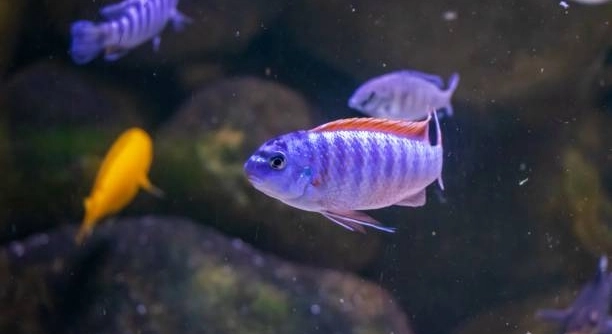
Cichlids are vibrant and active fish that many aquarium enthusiasts enjoy keeping. Maintaining their tanks properly is essential for their health and well-being. Simple upgrades can make a big difference in the tank environment.
Upgrading a cichlid tank can improve water quality, fish health, and overall aesthetics. Practical steps include enhancing filtration, adjusting lighting, adding proper substrate, and providing adequate hiding spaces, all contributing to a balanced and thriving aquarium ecosystem.
These easy improvements will help create a better habitat for your cichlids and make tank maintenance more efficient. The following tips will guide you through practical changes you can implement right away.
Upgrade Your Filtration System
A strong filtration system is crucial for a healthy cichlid tank. Good filtration removes waste, excess food, and harmful chemicals from the water. This keeps the water clear and reduces stress on the fish. Many standard filters work well, but upgrading to a more powerful or efficient filter can improve water quality. Consider filters with multiple stages, like mechanical, chemical, and biological filtration. Mechanical filtration catches particles, chemical filtration removes toxins, and biological filtration helps break down harmful ammonia and nitrites. Regular maintenance of the filter, such as cleaning or replacing filter media, ensures it works effectively. A well-maintained filtration system supports your fish’s health by keeping the tank environment stable and clean.
Upgrading your filter may require a larger unit or one designed for tanks your size. A good filter reduces the frequency of water changes and keeps the tank balanced longer.
Improved filtration creates a cleaner habitat and reduces harmful build-up. Your cichlids will enjoy clearer water and better oxygen levels. This upgrade also lowers the risk of disease and makes tank upkeep easier.
Add Natural-Looking Hiding Places
Cichlids need places to hide and feel secure. Rocks, caves, and plants give them safe spots. This reduces aggression and stress among fish. Natural hiding places make the tank look better and mimic their natural environment. Using aquarium-safe materials avoids pollution and keeps water quality high. Rearranging or adding new decorations can refresh the tank without much effort. Simple hides can be created using stacked rocks or commercially available caves. Live plants can also serve as cover and improve water quality by absorbing nitrates. Offering enough hiding places helps keep fish calm and healthy, especially in tanks with multiple cichlids.
Hiding spots reduce fighting and create comfortable zones for resting and breeding.
Adding more natural structures supports the fish’s well-being and encourages natural behavior. This upgrade is quick and inexpensive but greatly improves your tank’s atmosphere and fish happiness.
Improve Lighting Conditions
Proper lighting supports cichlid health and tank appearance. It helps plants grow and highlights the fish’s vibrant colors. Choosing the right light spectrum and intensity is important for a balanced aquarium.
Lighting affects fish behavior and plant growth. Too much light can cause algae blooms, while too little can make plants and fish look dull. Adjustable LED lights are a good choice because they allow control over brightness and color temperature. Timers help maintain a consistent day-night cycle, which supports fish well-being. Natural daylight cycles promote healthier activity patterns and reduce stress. Selecting full-spectrum lighting enhances the natural colors of cichlids, making your tank visually appealing. It’s important to balance the light duration, usually between 8 to 12 hours daily, to avoid problems.
Good lighting also benefits live plants by providing energy for photosynthesis. Healthy plants absorb harmful substances, improving water quality. Strong plant growth creates hiding spots and adds to the natural look of your aquarium.
Use the Right Substrate
Choosing the right substrate affects cichlid comfort and tank health. Some cichlids like sandy bottoms, while others prefer gravel. The substrate can influence water chemistry and fish behavior.
Sandy substrate mimics the natural environment of many cichlid species. It allows digging and breeding behaviors, which some cichlids enjoy. Fine sand is gentle on their delicate barbels and fins. Gravel is easier to clean but may trap debris if too coarse. Substrate pH and hardness can affect water conditions; some substrates buffer the water to keep it slightly alkaline, which suits many cichlids. Avoid substrates that can alter water chemistry negatively. Substrate depth is also important; a layer of two to three inches allows proper rooting of plants and fish burrowing. Choosing the right substrate enhances fish comfort and encourages natural behaviors, creating a more balanced aquarium.
Upgrade Your Heater
A stable temperature is vital for cichlids. Upgrading to a reliable heater helps maintain consistent warmth. Temperature swings stress fish and can lead to illness.
Modern heaters have better thermostats and safety features. They prevent overheating and keep the tank within the ideal range, usually between 75°F and 82°F. Consistency in temperature supports healthy metabolism and immune function in your fish.
Add a Protein Skimmer
A protein skimmer removes organic waste before it breaks down. It improves water quality and reduces odor. Skimmers are common in saltwater tanks but can benefit freshwater setups too. They help keep the water cleaner and reduce maintenance.
Use a Timer for Equipment
Timers automate lights and filters. This ensures consistent schedules without daily adjustments. Regular cycles help fish adapt and maintain a stable tank environment.
Incorporate Live Plants
Live plants absorb toxins and provide natural hiding places. They improve oxygen levels and enhance the tank’s appearance. Including plants supports a healthier ecosystem overall.
FAQ
What is the best filter type for a cichlid tank?
The best filter for a cichlid tank is one that combines mechanical, chemical, and biological filtration. Canister filters and hang-on-back filters are popular choices because they provide strong water flow and good filtration capacity. These filters help keep the water clean and clear, which is important for cichlid health. Make sure to choose a filter rated for your tank size or slightly larger to handle the bio-load effectively.
How often should I clean the filter?
Cleaning your filter depends on its type and the tank conditions but generally should be done every 3 to 4 weeks. Avoid cleaning all filter media at once to preserve beneficial bacteria that help break down waste. Rinse filter sponges or cartridges in tank water rather than tap water to protect these bacteria. Regular maintenance ensures the filter runs efficiently and prevents clogging.
Can I use any type of substrate for cichlids?
Not all substrates are suitable for cichlids. Sand is often preferred, especially for species that like to dig or sift through the substrate. It is gentle on their barbels and fins. Gravel is an option but should be smooth and small enough to avoid injury. Avoid substrates that can alter water pH negatively. Some cichlids need substrates that help keep water slightly alkaline, so check species requirements before choosing.
How important is lighting for cichlid tanks?
Lighting affects both fish and plants. It brings out the vibrant colors of cichlids and supports live plants’ growth. However, too much light can cause algae problems. Using adjustable LED lights with timers helps control intensity and duration, keeping the tank balanced. Usually, 8 to 12 hours of light per day is sufficient for most setups.
Why should I add hiding places?
Hiding places reduce stress and aggression among cichlids. These fish are territorial and need secure spots to retreat. Rocks, caves, and plants create safe zones and help fish feel more comfortable. This encourages natural behavior, reduces fighting, and improves overall health.
Is a protein skimmer necessary for freshwater cichlid tanks?
Protein skimmers are not essential for freshwater tanks but can be helpful. They remove organic waste before it breaks down, improving water quality. In heavily stocked or larger tanks, a skimmer can reduce maintenance and keep the water clearer. However, good filtration and regular water changes usually provide sufficient care for freshwater cichlids.
What temperature should I keep for my cichlids?
Most cichlids thrive between 75°F and 82°F. Maintaining a stable temperature within this range supports their immune systems and reduces stress. Using a quality heater with a reliable thermostat prevents temperature swings, which can cause illness. Avoid sudden changes by adjusting heater settings gradually if needed.
How can I keep water parameters stable?
Regular testing and maintenance are key to stable water parameters. Perform partial water changes weekly or biweekly to remove waste and toxins. Use buffers or additives if needed to maintain pH and hardness suitable for your cichlid species. A good filtration system and substrate choice also help keep water chemistry balanced.
Are live plants safe for cichlids?
Yes, live plants can be safe and beneficial if chosen carefully. Some cichlids may uproot or nibble on plants, so pick hardy species like Anubias or Java fern. Plants improve water quality by absorbing nitrates and providing oxygen. They also create natural hiding spots that reduce stress.
How can I reduce aggression in a cichlid tank?
To reduce aggression, provide plenty of hiding spots and break lines of sight with decorations. Keep similar-sized fish and avoid overcrowding. Adding more fish can sometimes spread aggression but monitor carefully. Maintaining stable water conditions and good nutrition also lowers stress and aggressive behavior.
How often should I do water changes?
Water changes of 20 to 30 percent every one to two weeks are recommended. This removes built-up waste and replenishes essential minerals. Frequency depends on tank size, stocking levels, and filtration. Consistent water changes keep the environment healthy and support fish well-being.
Can I keep different cichlid species together?
Some species can coexist if their temperaments and water needs match. However, mixing aggressive or territorial cichlids often leads to fights. Research species compatibility and provide enough space and hiding places. Separating particularly aggressive fish into different tanks is sometimes necessary.
What should I feed my cichlids?
Cichlids need a varied diet that includes high-quality pellets, flakes, and occasional live or frozen foods like brine shrimp or bloodworms. Balanced nutrition supports color, growth, and immune health. Avoid overfeeding, which can foul the water. Feed small amounts 1-2 times daily.
How do I know if my cichlids are stressed?
Signs of stress include faded colors, hiding more than usual, rapid breathing, or loss of appetite. Stress can result from poor water quality, overcrowding, or sudden changes in the tank. Addressing these issues quickly helps prevent disease and keeps fish healthy.
Can I upgrade my tank equipment gradually?
Yes, making upgrades one at a time is often easier to manage. It allows you to monitor how each change affects the tank. Start with the most critical items like filtration and heating, then add improvements such as lighting or decorations. Gradual upgrades help avoid stressing the fish and maintain a stable environment.
Upgrading your cichlid tank can make a significant difference in the health and happiness of your fish. Small changes like improving filtration, adding natural hiding spots, or adjusting the lighting can create a more balanced environment. These upgrades help maintain clean water, reduce stress among fish, and promote natural behavior. Over time, your tank will become easier to care for, and your cichlids will show brighter colors and more activity. Keeping their habitat stable and comfortable is key to their well-being.
When choosing upgrades, consider what your cichlids need most. Filtration and temperature control are often the highest priorities because they directly affect water quality and fish health. Adding live plants and natural decorations not only improves the tank’s appearance but also supports a healthier ecosystem. These additions provide oxygen, reduce toxins, and offer hiding places that lower aggression. Even simple changes, like switching to an adjustable LED light or using a timer for equipment, contribute to a better tank environment.
Taking time to upgrade your tank step by step allows you to see how each change impacts your cichlids. It also helps prevent sudden stress from too many changes at once. Regular maintenance and observation ensure the tank remains stable and your fish stay healthy. With these easy upgrades, your cichlid tank can thrive, offering a beautiful and natural space for your fish to live and grow.

Hello,
If you enjoy the content that we create, please consider saying a "Thank You!" by leaving a tip.
Every little bit helps us continue crafting quality advice that supports the health, happiness, and well-being of pets around the world, for pets of all shapes, sizes, and species.
We really appreciate the kindness and support that you show us!