
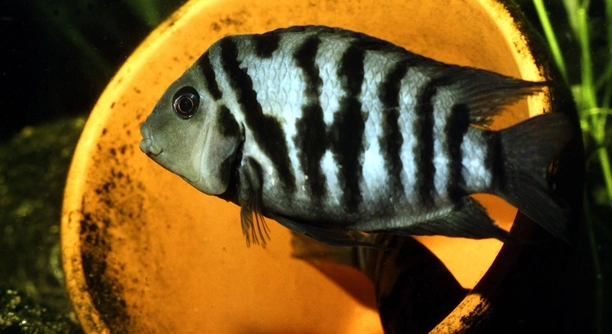
Are African cichlids and plecos good tank mates? Many aquarium enthusiasts consider housing these two species together because of their unique behaviors and appearances. Knowing their compatibility helps create a peaceful and healthy environment in the aquarium.
African cichlids and plecos can coexist, but compatibility depends on tank size, species temperament, and environment setup. Proper care and attention to territorial behavior and water conditions are essential to minimize conflicts and ensure their well-being.
Understanding the factors behind their interactions will help maintain harmony and promote a thriving aquarium for both fish types.
Understanding African Cichlids’ Behavior
African cichlids are known for their vibrant colors and active personalities. They often establish territories and can be aggressive, especially during breeding. This behavior is natural and part of how they communicate and protect their space. In a confined aquarium, these territorial instincts may lead to conflicts with other fish, including plecos. However, not all cichlids show the same level of aggression. Some species are more peaceful, while others are more dominant. Providing enough hiding spots and ample space can reduce tension. African cichlids also prefer specific water conditions, usually hard, alkaline water, which should be matched for any tank mates. Understanding these behavior patterns and needs is crucial to prevent stress and aggression. If the environment meets their needs and space is adequate, they may coexist peacefully with other species, including plecos.
Proper tank management and species selection are key to limiting aggressive behavior in African cichlids.
Maintaining stable water parameters and sufficient territory helps keep African cichlids calm, which improves their compatibility with plecos and other fish in the aquarium.
Plecos’ Role in the Aquarium
Plecos are bottom-dwelling fish that primarily focus on algae grazing and cleaning the tank. They tend to be peaceful and avoid confrontation, spending much of their time hiding or moving along surfaces. Their armored bodies provide protection against potential aggression from tank mates. Plecos prefer slightly different water conditions than African cichlids but can adapt if the environment is balanced carefully. They require plenty of hiding places, such as caves and driftwood, to feel secure. Although they generally avoid conflict, larger plecos can sometimes be territorial themselves. This means that while plecos are usually compatible, some care is needed to monitor interactions. Selecting a pleco species known for its peaceful nature improves the chances of peaceful coexistence. Overall, plecos contribute to a cleaner aquarium and help maintain a healthy environment when kept with African cichlids.
Proper tank setup and species compatibility make plecos a beneficial addition alongside African cichlids.
Tank Size and Environment
Tank size plays a crucial role in keeping African cichlids and plecos together. Larger tanks provide enough space for both species to establish territories without constant conflict.
A minimum of 55 gallons is recommended when housing these fish together. More space allows African cichlids to spread out and reduces stress levels. Plecos, which tend to be bottom dwellers, need room to move and places to hide. Providing plenty of caves, rocks, and driftwood creates natural barriers and shelter. This setup helps both species feel secure and lowers aggressive interactions. Water filtration should be strong to maintain clean water, as both fish produce considerable waste.
Temperature and water conditions must be stable. African cichlids prefer warmer water between 75–82°F, which is suitable for many pleco species as well. Balancing these factors supports a healthier and more peaceful tank environment.
Feeding Habits and Compatibility
African cichlids are primarily carnivorous, eating protein-rich foods such as pellets, flakes, and live or frozen insects. Plecos mostly eat algae and plant matter but also need occasional protein.
To prevent competition, feed cichlids near the top or middle of the tank, while plecos graze on surfaces below. This separation helps reduce stress over food. Offering a varied diet keeps both species healthy and prevents aggressive behavior caused by hunger. Plecos benefit from algae wafers, fresh vegetables, and sinking pellets, which are easy for them to access.
Maintaining a consistent feeding schedule also helps reduce territorial disputes during mealtime. Overfeeding can cause water quality issues, so feeding the right amount is important. Proper nutrition supports peaceful coexistence and overall tank health.
Common Aggression Issues
Aggression mainly comes from territorial disputes, especially among African cichlids. This behavior can stress plecos and other tank mates.
Providing hiding spots and enough space reduces aggressive encounters. Careful monitoring is necessary to prevent injuries and maintain peace in the tank.
Choosing the Right Pleco Species
Not all pleco species are equally compatible with African cichlids. Smaller, peaceful plecos like the bristlenose pleco usually coexist better. Larger plecos may provoke aggression or become territorial themselves. Selecting a species known for calm behavior is essential for harmony.
Monitoring Fish Health
Regular observation of both species helps catch early signs of stress or illness. Healthy fish are less likely to act aggressively.
Are African cichlids and plecos naturally aggressive toward each other?
African cichlids are generally more aggressive due to their territorial instincts. Plecos tend to be peaceful and avoid confrontation, but stress from aggressive cichlids can cause plecos to hide more often. With proper tank conditions and enough space, aggression can be minimized.
Can plecos survive in the same water conditions as African cichlids?
Plecos and African cichlids can share similar water conditions if the tank is well-maintained. African cichlids prefer hard, alkaline water, and many pleco species can adapt to these conditions. Stable temperature and pH levels are key for both species to thrive.
What size tank is best for keeping African cichlids and plecos together?
A tank of at least 55 gallons is recommended. Larger tanks help provide enough space for cichlids to establish territories and for plecos to have hiding spots. More room lowers stress and aggressive behavior in both species.
How can I reduce aggression between African cichlids and plecos?
Add plenty of hiding spots like caves, plants, and driftwood to break up sight lines. This helps plecos feel safe and allows cichlids to claim territories without constant confrontation. Keeping a balanced number of fish and avoiding overcrowding also helps.
What should I feed African cichlids and plecos in a community tank?
Feed African cichlids protein-rich foods like pellets, flakes, or frozen insects near the middle or top of the tank. Plecos mainly eat algae, vegetables, and sinking pellets on the bottom. Separate feeding areas reduce competition and stress.
Are some pleco species better suited for tanks with African cichlids?
Yes, bristlenose plecos and smaller, peaceful species are better choices. Large plecos can be more territorial and may provoke aggression. Choosing a species with calm behavior improves compatibility.
How often should I monitor my tank when keeping these species together?
Daily observation is important to catch early signs of aggression, stress, or illness. Look for changes in behavior, injuries, or hiding. Prompt action can prevent long-term problems.
Can African cichlids harm plecos physically?
Yes, especially during aggressive encounters. Cichlids may chase or nip at plecos. Providing enough space and hiding places reduces the risk. Plecos’ armored bodies offer some protection, but injuries can still occur.
What are signs that plecos are stressed by African cichlids?
Stress signs include hiding more often, loss of appetite, or unusual swimming patterns. Plecos may also show physical signs like torn fins or scratches if chased frequently.
Is water quality important when keeping African cichlids and plecos together?
Water quality is crucial. Both species produce waste that can quickly affect water parameters. Strong filtration and regular water changes help keep the environment clean and reduce stress and illness risks.
Can I keep multiple plecos with African cichlids?
Multiple plecos can coexist if the tank is large enough and has enough hiding places. However, too many plecos can cause territorial disputes among themselves. Balance the number of fish to avoid overcrowding.
Should I separate aggressive African cichlids from plecos?
If aggression is severe and plecos are constantly stressed or injured, separation may be necessary. Using a divider or moving one species to a different tank can protect both fish and restore peace.
Do African cichlids and plecos require different water temperatures?
Most African cichlids thrive between 75–82°F. Many pleco species can adapt to this range, but some prefer slightly cooler water. Researching specific pleco species helps ensure temperature compatibility.
How do I choose hiding spots for plecos in a cichlid tank?
Use caves, driftwood, rocks, and dense plants. These create safe zones and break up sight lines, reducing aggression. Make sure hiding places are large enough for the plecos to enter and feel secure.
What happens if African cichlids overpopulate the tank with plecos?
Overpopulation increases stress and aggression. Plecos may become more withdrawn or injured. It also strains filtration and water quality. Maintaining proper fish density supports healthier interactions.
Can plecos help control algae growth in a cichlid tank?
Yes, plecos are natural algae eaters and can reduce algae buildup. However, they should not be relied on solely for algae control. Regular tank maintenance and proper feeding are still necessary.
Is it safe to keep baby plecos with adult African cichlids?
Baby plecos are more vulnerable to aggression and injury. They should be kept in separate tanks or well-protected areas until they grow large enough to handle potential conflicts.
How often should I clean the tank with both species?
Regular water changes, about 20-30% weekly, help maintain good water quality. Cleaning substrate and decorations reduces waste buildup. This keeps both African cichlids and plecos healthy.
Can plecos damage aquarium plants preferred by African cichlids?
Plecos may nibble on some plants, especially softer types. African cichlids often dig or rearrange plants. Choose hardy plants that can tolerate both species’ behaviors to maintain a balanced tank environment.
When considering keeping African cichlids and plecos together, it is important to remember that their compatibility depends on several factors. African cichlids are naturally territorial and can show aggression, especially if space is limited. Plecos, on the other hand, are usually peaceful bottom dwellers but need enough hiding places to feel secure. A larger tank with plenty of structures like caves, rocks, and plants can help reduce conflicts and provide safe zones for both fish. Matching water conditions and keeping the environment stable are also key to their well-being.
Feeding these two species requires attention to their different diets. African cichlids need protein-rich foods and should be fed near the top or middle of the tank. Plecos primarily feed on algae and plant material, so they require sinking pellets, vegetables, or algae wafers near the bottom. Offering food in different areas reduces competition and stress during mealtime. Maintaining clean water through regular filtration and water changes also supports their health and helps prevent behavioral problems caused by poor water quality.
In summary, African cichlids and plecos can live together successfully with careful planning. Tank size, species selection, proper feeding, and providing hiding spots all contribute to a peaceful aquarium. Monitoring fish behavior and water conditions regularly is important to catch any early signs of stress or aggression. With these considerations in mind, it is possible to enjoy the vibrant colors and interesting behaviors of both African cichlids and plecos in a shared tank.

Hello,
If you enjoy the content that we create, please consider saying a "Thank You!" by leaving a tip.
Every little bit helps us continue crafting quality advice that supports the health, happiness, and well-being of pets around the world, for pets of all shapes, sizes, and species.
We really appreciate the kindness and support that you show us!