
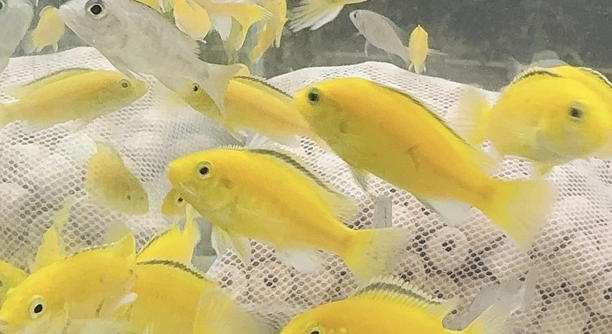
African cichlids are popular freshwater fish known for their vibrant colors and lively behavior. Feeding them the right diet is essential for their health and longevity. Many fish owners overlook certain foods that can harm these beautiful creatures.
Avoid feeding African cichlids foods high in fat, processed human snacks, bread, and dairy products, as these can cause digestive issues, obesity, and water contamination. Additionally, foods lacking proper nutrients may lead to poor growth and weakened immune systems.
Knowing which foods to avoid helps maintain your cichlids’ health and vibrant appearance. The following guide highlights key items to keep off their menu for a thriving aquarium environment.
High-Fat Foods
Feeding African cichlids foods with excessive fat can harm their digestive system. These fish are adapted to diets low in fat, so fatty foods like fatty meats or certain commercial pellets can lead to obesity and liver problems. Over time, this can reduce their activity and shorten their lifespan. Fatty foods also tend to pollute the water faster, which can cause stress and illness in the aquarium. It’s best to provide them with balanced diets rich in protein but low in fat to support healthy growth and vibrant coloration.
High-fat foods should be avoided to maintain optimal health and water quality in your aquarium.
Keeping fat intake low helps your cichlids stay active and healthy. Instead, focus on quality protein sources like insects, specially formulated cichlid pellets, and fresh vegetables. Regular feeding of appropriate foods keeps their immune system strong and helps prevent disease. It also ensures clear water, which benefits all tank inhabitants.
Bread and Processed Human Snacks
Bread and processed human snacks might seem harmless as treats but are not suitable for African cichlids. These foods contain fillers, preservatives, and additives that their digestive systems cannot handle properly. Even small amounts can cause bloating, constipation, and other digestive issues. Feeding such items regularly may also lead to poor water quality because these snacks do not dissolve or break down well in the aquarium environment. Avoid offering bread, crackers, chips, or any processed snack, and instead stick to foods formulated specifically for cichlids or their natural diet to promote their wellbeing.
Dairy Products
Dairy products like milk, cheese, and yogurt are not suitable for African cichlids. Their digestive systems cannot process lactose, which may cause digestive upset or illness. Avoid offering any dairy-based foods to maintain their health.
Even small amounts of dairy can cause bloating, diarrhea, or other digestive problems in cichlids. These fish evolved in environments without dairy, so their bodies lack the enzymes needed to break it down. Feeding dairy products can also affect water quality, increasing ammonia levels and stressing the fish. It’s best to stick to fish-specific foods that provide balanced nutrition and avoid any human foods containing dairy.
Choosing the right diet without dairy products supports good digestion and overall wellbeing. Fresh vegetables, protein-rich insects, and specialized pellets ensure your cichlids thrive without unnecessary health risks. Regularly monitoring their diet helps maintain water cleanliness and keeps the aquarium environment safe.
Plants and Vegetables to Avoid
Certain plants and vegetables can harm African cichlids if fed incorrectly. For example, spinach, iceberg lettuce, and other leafy greens may contain substances that interfere with nutrient absorption or digestion. Avoid giving these to your fish to prevent dietary issues.
Some plants have high levels of oxalates or pesticides, which are toxic to cichlids. Additionally, some vegetables decompose quickly in water, causing bacterial growth and poor water quality. Instead, feed safe vegetables such as peas or zucchini in small, properly prepared portions. Knowing which plants to avoid helps keep your fish healthy and the tank clean.
Raw Meat and Fatty Fish
Raw meat and fatty fish are not appropriate for African cichlids. These foods are difficult to digest and can introduce harmful bacteria into the aquarium. Avoid feeding them to prevent health risks.
Feeding raw meat or fatty fish can cause digestive upset and water contamination. These items break down slowly, leading to poor water quality and stress for your fish.
Bread and Starchy Foods
Bread and other starchy foods lack the nutrients cichlids need. They often cause bloating and digestive problems. Avoid offering bread or pasta to your fish.
Human Junk Food
Processed human snacks like chips, candy, or fast food should never be fed to African cichlids. These contain additives and preservatives harmful to fish health.
Iceberg Lettuce
Iceberg lettuce offers little nutritional value and can cause digestive upset in cichlids. It’s best to avoid feeding this leafy green.
FAQ
What happens if I accidentally feed my cichlids foods they shouldn’t eat?
If your African cichlids consume foods like bread, dairy, or fatty items occasionally, they may experience mild digestive upset, such as bloating or constipation. However, repeated feeding of inappropriate foods can lead to more serious health problems, including poor growth, weakened immunity, and water quality issues. It’s important to remove any uneaten food promptly to avoid water contamination.
Can African cichlids eat vegetables?
Yes, many African cichlids benefit from certain vegetables like peas, zucchini, and spinach (in moderation). However, avoid feeding leafy greens like iceberg lettuce or plants high in oxalates, which can interfere with digestion or nutrient absorption. Vegetables should be prepared properly—blanched or peeled—to make them easier to digest.
Are commercial fish foods always safe for African cichlids?
Most commercial foods designed specifically for African cichlids are formulated to meet their nutritional needs and are safe when used as directed. It is essential to choose high-quality pellets or flakes and avoid overfeeding. Check ingredient lists to avoid products with excessive fillers or artificial additives.
Is it okay to feed live foods to African cichlids?
Live foods such as brine shrimp, bloodworms, or daphnia can be a great protein source and stimulate natural hunting behaviors. However, live food should come from reputable sources to prevent introducing diseases or parasites. Freeze-dried or frozen alternatives are often safer options.
How often should I feed my African cichlids?
Feeding your cichlids once or twice a day with small amounts is ideal. Overfeeding can lead to water pollution and health problems. Remove any leftover food within a few minutes to keep the tank clean and prevent stress.
Can human food ever be safe for cichlids?
Most human foods, especially processed or dairy items, are not suitable for cichlids. Occasionally, small amounts of plain vegetables like peas may be offered, but it’s best to avoid all other human food. Their digestive systems are specialized for specific diets that human food often cannot provide.
What signs indicate that my cichlids are suffering from a poor diet?
Look for signs such as lethargy, loss of color, bloating, irregular swimming, or difficulty breathing. Poor diet can also lead to weakened immune systems, making your fish more susceptible to infections. Regular observation helps catch issues early.
How can I improve my cichlids’ diet?
Focus on a balanced diet with high-quality commercial pellets, occasional live or frozen protein, and safe vegetables. Avoid all high-fat, processed, or human foods. Monitor feeding habits and adjust portions to avoid waste and water pollution.
Are there foods that help enhance cichlids’ color?
Certain foods rich in carotenoids and natural pigments, like spirulina or krill, can enhance color vibrancy in cichlids. Many commercial diets include these ingredients to support bright, healthy coloration.
Can feeding the wrong foods harm my aquarium’s environment?
Yes, inappropriate foods like bread or fatty items break down slowly and pollute water faster. This can cause ammonia spikes and algae growth, stressing your fish. Proper diet management is key to maintaining clean water and a healthy tank ecosystem.
African cichlids are beautiful and lively fish that need a balanced diet to stay healthy and active. Feeding them the right foods plays a big role in their wellbeing. Avoiding harmful foods like high-fat items, bread, dairy, and processed snacks helps prevent digestive problems and keeps the aquarium water clean. When their diet is well managed, these fish can live longer and display their vibrant colors fully. It is important to focus on foods designed for cichlids or those that closely mimic their natural diet in the wild.
Many fish owners might think that sharing leftovers or snacks is harmless, but this can cause serious health issues for African cichlids. Their digestive systems are sensitive and not suited to human food, especially items that are high in fat or contain preservatives. Such foods can cause bloating, constipation, and even diseases over time. Moreover, uneaten food pollutes the tank, leading to poor water quality and stress for all tank inhabitants. Paying attention to what you feed and how much is essential for creating a stable and healthy environment in your aquarium.
In summary, understanding which foods to avoid is as important as knowing what to feed. Providing a diet rich in quality proteins, safe vegetables, and specially formulated pellets supports your cichlids’ health and happiness. Keeping away from harmful foods ensures fewer health risks and a cleaner tank. Careful feeding habits will not only help your fish thrive but also reduce maintenance efforts. Maintaining proper nutrition is one of the best ways to enjoy the beauty and activity of African cichlids for years to come.

Hello,
If you enjoy the content that we create, please consider saying a "Thank You!" by leaving a tip.
Every little bit helps us continue crafting quality advice that supports the health, happiness, and well-being of pets around the world, for pets of all shapes, sizes, and species.
We really appreciate the kindness and support that you show us!