
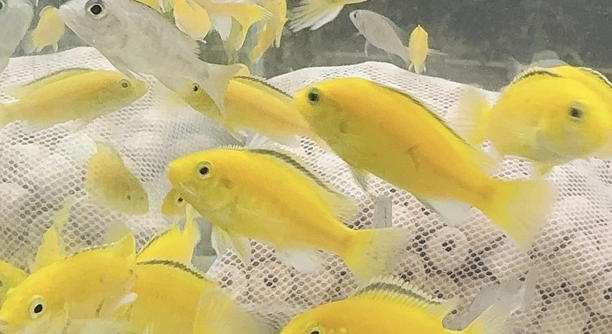
Are your cichlids showing signs of frayed or torn fins that seem to appear out of nowhere despite your regular care routine?
The most common causes of cichlid fin damage include aggression from tank mates, poor water quality, fin rot infections, and inadequate tank size. Environmental stress and nutritional deficiencies may also weaken fins and make them more prone to injury.
Knowing what’s behind the damage can help you prevent further issues and keep your cichlids healthy, active, and thriving in their aquarium.
Aggression from Other Cichlids
Cichlids are known for their territorial behavior, especially during breeding or feeding times. When kept in the same tank, they often establish dominance through chasing, nipping, or even fighting. These interactions can quickly result in torn or frayed fins. If the tank is overcrowded or lacks proper hiding spaces, tensions rise. Introducing incompatible species or too many males can make things worse. Watching for signs of stress, such as hiding, loss of color, or ragged fins, can help you act early. A peaceful tank depends on careful planning and close observation of your fish’s behavior each day.
Aggressive tank mates will usually go for the fins first, especially if the tank is too small or lacks visual barriers.
To prevent this, keep a close eye on your fish and separate any that show repeated aggression. Rearranging decorations can reset territories and reduce ongoing tension. Consider rehoming highly aggressive individuals if needed.
Poor Water Quality
Poor water quality stresses your cichlids and weakens their immune systems, making fin damage more likely and healing slower.
Dirty water leads to ammonia and nitrite spikes, which can burn the delicate tissues of your cichlid’s fins. Without regular water changes and filter maintenance, waste builds up quickly. Test your tank’s parameters often to ensure levels stay safe. The ideal range for cichlids is 0 ppm ammonia, 0 ppm nitrite, and less than 40 ppm nitrate. Sudden changes in pH or temperature can also lead to fin issues, especially in more sensitive species. Tap water can carry chlorine or heavy metals, so always use a good water conditioner. Aim for stable conditions and avoid overfeeding, as excess food decays and pollutes the water. Clean gravel regularly with a siphon to remove debris and uneaten food. Healthy water leads to healthy fish, and keeping your tank balanced makes a big difference in your cichlids’ fin health.
Fin Rot and Bacterial Infections
Fin rot usually appears as frayed, white-edged, or blackened fin tips that slowly deteriorate over time. It’s often caused by dirty water, stress, or injuries that get infected. Early signs should never be ignored.
Once fin rot sets in, it can spread fast. Keeping the tank clean and stable is key. Use a good-quality antibacterial treatment as soon as you notice symptoms. Separate any affected fish to avoid spreading the infection. Make sure the water temperature is within the proper range, as cold water slows healing. Avoid overfeeding during treatment, and keep stress to a minimum. Salt baths may help, but always follow proper dosing. Affected fish often show reduced appetite, slow swimming, or hide more. Prompt action improves recovery.
Recovery can take days or weeks depending on how severe the damage is. Some fin tissue may never fully grow back. Preventing future infections means keeping your tank clean, stress low, and water changes consistent.
Inadequate Tank Size
Keeping cichlids in tanks that are too small leads to constant stress and aggression. These fish need space to move, establish territory, and avoid fights. A cramped tank often means damaged fins and poor overall health.
Smaller tanks limit swimming room and increase contact between fish, raising chances of nipping and chasing. Territorial cichlids need room to claim their own spots, and without enough space, conflict becomes constant. Even mild-mannered cichlids can turn aggressive in tight spaces. A good rule is at least 30 gallons for smaller species and 55 gallons or more for larger ones. Overcrowding adds to the stress and makes water harder to manage. Use caves, rocks, or driftwood to break up sightlines. This helps reduce direct confrontations. Giving your cichlids enough room helps prevent injuries, improves water quality, and makes it easier to maintain a peaceful tank with minimal fin damage.
Stress from Environmental Changes
Sudden changes in lighting, temperature, or water chemistry can cause stress. Stressed cichlids may start hiding more, lose color, or nip at each other’s fins. Stable conditions are important for both their health and behavior.
Avoid moving decor too often or rearranging the tank without reason. Even minor shifts can trigger anxiety.
Nutritional Deficiencies
Poor nutrition weakens fin tissue and slows healing. Cichlids need a balanced diet with quality proteins, healthy fats, and essential vitamins. A diet lacking in nutrients may lead to thin, brittle fins that tear easily and recover slowly. Use a mix of pellets, frozen foods, and occasional vegetables. Spirulina and high-protein foods like bloodworms or brine shrimp support healthy growth. Avoid overfeeding or using low-quality foods with fillers. Regular feeding schedules also help reduce food competition and aggression. When their diet is right, cichlids grow stronger fins, brighter colors, and show more active, confident behavior in the tank.
Sharp Decorations or Equipment
Rough rocks, jagged decor, or uncovered filter intakes can snag fins easily. Check all surfaces in the tank and remove anything sharp or abrasive to prevent unnecessary injuries.
FAQ
How can I tell if my cichlid’s fin damage is from aggression or disease?
Aggression-related fin damage usually appears as clean tears or bites, often with missing chunks of fin. The fish may show signs of chasing or fighting with tank mates. Disease-related damage, like fin rot, often looks ragged or has discolored edges, sometimes with white or black patches. Observing behavior and checking water quality can help identify the cause.
What immediate steps should I take if I notice fin rot?
First, improve water quality by performing a partial water change and testing water parameters. Then, isolate the affected fish if possible to reduce stress and stop spread. Use a recommended antibacterial medication following the label instructions. Keep the tank temperature stable and avoid feeding too much during treatment.
Can fin damage heal on its own without treatment?
Minor fin tears from aggression or rough surfaces can heal naturally if water conditions are good and no infection develops. However, if the damage worsens or shows signs of infection, treatment is necessary. Keeping stress low and providing a healthy environment supports natural healing.
How often should I do water changes to prevent fin damage?
Regular water changes depend on tank size and stocking levels but generally, 20-30% weekly is a good rule. Overcrowded tanks or heavily fed fish may require more frequent changes. Clean water reduces harmful bacteria and toxins that can cause infections and stress.
What type of decorations are safest for cichlid tanks?
Smooth rocks, driftwood without sharp edges, and aquarium-safe plants are best. Avoid rough or jagged decorations and ensure any caves or hiding spots don’t have narrow gaps that trap fins. Check equipment like filters or heaters to make sure no exposed parts can injure your fish.
Can changing tank mates reduce fin damage?
Yes. Aggressive or overly territorial species often cause fin damage to more peaceful cichlids. Selecting compatible species and balancing the number of males and females helps reduce aggression. Adding more hiding spaces and visual barriers also lowers stress and fights.
Is fin damage a sign of poor nutrition?
Poor nutrition can weaken fin structure and make damage worse or slow healing. A balanced diet rich in proteins, vitamins, and minerals supports strong fins. Including variety, like pellets, frozen foods, and vegetables, helps meet nutritional needs.
Are salt baths effective for fin damage?
Salt baths can help reduce bacterial infections and promote healing, especially for fin rot. Use aquarium salt and follow proper dosing instructions carefully. Avoid salt treatments for sensitive species or those that dislike changes in water chemistry.
How can I prevent fin damage when setting up a new cichlid tank?
Start with proper tank size, compatible species, and well-planned decorations. Cycle the tank fully before adding fish to ensure stable water parameters. Introduce fish slowly to reduce stress and monitor behavior to separate aggressive individuals early.
When should I consult a vet or aquatic specialist for fin damage?
If fin damage worsens despite good water quality and treatment, or if fish show signs of serious illness like lethargy, loss of appetite, or unusual swimming, seek professional advice. Persistent infections may require stronger medications or specialized care.
Cichlid fin damage is a common problem many fish keepers face, but it is often preventable with the right care and attention. Understanding the causes behind fin injuries helps in creating a healthier environment for your fish. From aggression and poor water quality to infections and inadequate tank space, many factors can contribute to damaged fins. Addressing these issues early on not only improves your cichlids’ appearance but also supports their overall health and well-being. Regular observation and maintenance are key steps in preventing problems before they become severe.
Taking care of your aquarium’s water quality is one of the most important parts of fin damage prevention. Clean water reduces the risk of infections like fin rot and lowers stress on your fish. It is essential to perform regular water changes, test water parameters frequently, and keep the tank free from excess waste. Proper filtration and avoiding overcrowding also play big roles in maintaining a stable and healthy tank environment. Providing enough space and hiding places helps reduce aggression among cichlids, which often causes fin nipping and tearing.
Nutrition and tank setup are equally important. Feeding your cichlids a balanced diet rich in proteins and vitamins strengthens their fins and immune systems, making them less likely to suffer from injuries or infections. Additionally, choosing smooth decorations and ensuring no sharp or rough surfaces are in the tank prevents accidental fin tears. Monitoring fish behavior closely and separating aggressive individuals can minimize damage caused by fights. Overall, a well-maintained tank with healthy fish creates a better experience for both the keeper and the cichlids.

Hello,
If you enjoy the content that we create, please consider saying a "Thank You!" by leaving a tip.
Every little bit helps us continue crafting quality advice that supports the health, happiness, and well-being of pets around the world, for pets of all shapes, sizes, and species.
We really appreciate the kindness and support that you show us!