
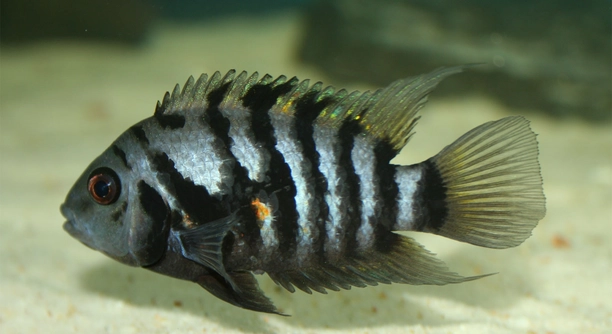
Cichlids are popular aquarium fish, but their aggressive behavior can be a challenge for many hobbyists. Managing this aggression is important to keep the tank peaceful and the fish healthy. Small changes can make a big difference in how they interact.
Reducing cichlid aggression involves adjusting their environment, providing adequate space, and choosing compatible tank mates. Proper feeding schedules, hiding spots, and monitoring their behavior also help maintain balance in the aquarium.
Learning effective methods to reduce aggression will improve your cichlids’ well-being and create a more enjoyable aquarium experience. These simple tricks can transform a tense tank into a calm, thriving community.
Create More Hiding Spaces
Cichlids need places to retreat when they feel stressed or threatened. Adding rocks, plants, and decorations gives them spots to hide and reduces direct confrontation. This simple change helps lower aggression because fish can claim their own territory without constant fighting. In smaller tanks, hiding spots become even more important, as space is limited. Using natural materials like driftwood or caves can also make the tank look nice while serving a practical purpose. Observing your fish will show you which areas they prefer, allowing you to adjust the setup over time. Even just a few well-placed shelters can improve harmony among cichlids.
Providing more hiding places not only reduces aggression but also improves fish health by lowering stress levels. It creates a more balanced and comfortable environment.
When cichlids have enough places to hide, they feel safer and tend to avoid constant chasing. This can help prevent injuries and reduce the need for aggressive displays, making your aquarium a calmer space.
Choose Compatible Tank Mates
Adding the right tank mates is crucial for keeping aggression in check. Some cichlid species are naturally more territorial and aggressive, so pairing them with peaceful fish can cause problems. It’s important to research which species can coexist peacefully. Mixing fish with similar size and temperament often works better than combining very different types. Overcrowding the tank can increase tension, so keeping the population balanced is key.
The best tank mates are those that share similar water conditions and activity levels. Avoid small, slow-moving fish that may become targets. Instead, choose robust species that can handle cichlid behavior without stress.
Introducing compatible tank mates requires attention to fish personality and habitat needs. Monitor interactions closely at first to catch any signs of stress or bullying. If aggression persists, rearranging the tank or separating fish may be necessary. Proper planning and observation help create a peaceful community tank where all fish thrive together.
Maintain Proper Tank Size
A spacious tank helps reduce aggression by giving each fish enough room to claim its territory. Overcrowded tanks increase stress and fights.
Larger tanks allow cichlids to spread out and avoid constant contact. When fish have enough space, territorial disputes become less frequent because boundaries are clearer. A minimum of 55 gallons is recommended for many cichlid species, but bigger is often better. Smaller tanks force fish into close quarters, increasing competition for space and resources. Adjust tank size based on the number and species of cichlids you keep. Proper tank size also supports better water quality, which helps fish stay healthy and calm.
With enough space, cichlids can display natural behaviors without turning aggressive. This balance supports both their well-being and the aquarium’s harmony. Increasing tank size may take effort, but the improvement in fish behavior is worth it.
Feed on a Regular Schedule
Consistent feeding times reduce stress and aggression in cichlids. They become less competitive when their hunger is managed well.
Feeding cichlids at regular intervals prevents the rush and fights that happen when food is scarce or unpredictable. Overfeeding can cause water problems, so stick to measured amounts suitable for your fish. Offering a balanced diet with varied foods ensures they get proper nutrition, which also supports calmer behavior. Using sinking pellets or spreading food across the tank can help reduce competition among fish. Keep an eye on their eating habits to adjust the feeding schedule or amounts as needed.
Regular feeding creates a predictable routine that lowers tension around mealtimes. Calm fish are less likely to provoke aggression, making the tank more peaceful overall.
Monitor Fish Behavior Closely
Watching your cichlids helps catch signs of aggression early. Noticing patterns allows you to intervene before fights escalate.
Regular observation lets you identify which fish are causing stress or being bullied. This information helps you decide if changes are needed in tank setup or groupings.
Rearrange the Tank Layout
Changing the tank’s layout can break up established territories and reduce aggressive behavior. Rearranging decorations or plants shifts fish boundaries and lowers tension.
Altering the environment disrupts dominance patterns, encouraging fish to settle into new territories. This simple step often calms aggressive displays and improves tank harmony over time.
Maintain Clean Water
Clean water supports healthy fish and lowers stress, which reduces aggression. Regular water changes and filtration keep the environment stable and safe.
Why are my cichlids so aggressive?
Cichlids naturally have territorial instincts, which can lead to aggression in confined spaces. This behavior is often stronger during breeding or when establishing dominance. Stress, overcrowding, or lack of hiding spots can also increase aggressive actions. Recognizing these causes helps manage and reduce conflicts effectively.
How can I tell if my cichlids are stressed from aggression?
Signs of stress include hiding excessively, losing color, rapid breathing, and damaged fins. Stressed fish may eat less or act lethargic. Observing these symptoms early allows for quick adjustments in tank conditions to prevent harm and restore calm.
Is it okay to keep multiple aggressive cichlids together?
It depends on tank size, species compatibility, and setup. Some aggressive cichlids can coexist in large tanks with plenty of space and hiding places. However, overcrowding or mixing highly territorial species usually leads to continuous fights and injuries.
Can adding more cichlids reduce aggression?
Sometimes, adding more cichlids disperses aggression by spreading dominance struggles across multiple fish. This strategy works best in large tanks with enough room. In small tanks, more fish usually increase stress and aggression.
What tank size is best for aggressive cichlids?
Generally, a minimum of 55 gallons is recommended, but larger tanks are better for multiple fish or larger species. Bigger tanks help define territories and reduce constant contact, which lowers aggression significantly.
How often should I clean my tank to reduce aggression?
Regular water changes, ideally 20-30% weekly, keep water quality high and reduce stress. Clean water supports healthy fish and helps prevent aggression caused by poor living conditions.
Do certain decorations help reduce aggression?
Yes, rocks, caves, and plants create territories and hiding spots that lower fighting. These decorations let fish claim spaces and avoid constant face-offs, promoting a calmer environment.
Can diet influence cichlid aggression?
Feeding balanced, regular meals reduces hunger-driven fights. Overfeeding or underfeeding can cause stress and aggression, so maintain a proper feeding routine with varied foods.
Should I separate aggressive cichlids?
If aggression causes injuries or stress, separating the aggressive fish may be necessary. Using a divider or moving fish to different tanks can protect weaker or bullied individuals.
Does lighting affect cichlid behavior?
Bright or constant lighting can increase stress in some cichlids, making aggression worse. Providing natural day-night cycles and dim areas can help fish feel more comfortable and less aggressive.
How long does it take for aggression to calm down after tank changes?
It varies, but generally a few days to a couple of weeks. Fish need time to establish new territories and adjust. Patience and continued observation are key during this period.
Are some cichlid species less aggressive than others?
Yes, species like Kribensis or Bolivian Rams tend to be less aggressive than African cichlids like Mbuna. Choosing species with calmer temperaments helps create a peaceful tank.
Can stress from aggression cause illness in cichlids?
Yes, chronic stress weakens the immune system, making fish more prone to disease. Reducing aggression helps maintain their health and longevity.
Is it normal for cichlids to chase each other sometimes?
Mild chasing is part of establishing territory and hierarchy. Problems arise when chasing leads to injury or constant stress, which then requires intervention.
How can I encourage peaceful behavior in cichlids?
Maintaining proper tank size, regular feeding, clean water, hiding spots, and compatible tank mates all contribute to a calm community. Consistency and good care promote peaceful interactions.
Managing cichlid aggression can feel challenging, but with the right approach, it becomes easier to create a peaceful tank. These fish naturally have strong territorial instincts, so some level of aggression is normal. The goal is to reduce harmful fights and stress to keep your cichlids healthy and happy. Using simple methods like adding hiding places, feeding on a schedule, and choosing the right tank mates can make a big difference. It’s important to remember that small changes in the tank setup or routine can greatly improve how your fish interact.
One of the most helpful things is to provide enough space for each fish. Overcrowding often leads to stress and aggression because the fish feel they don’t have their own territory. When cichlids have plenty of room and enough places to hide, they tend to stay calmer and avoid constant chasing. Keeping water clean and feeding properly also supports their health and reduces tension. Watching your fish regularly helps you notice any changes in behavior early, so you can adjust before problems grow. This kind of attention and care helps maintain a balanced and peaceful aquarium.
It’s also important to be patient when working to reduce aggression. Fish take time to adjust to new tank conditions or tank mates. Sometimes you may need to rearrange decorations or separate aggressive individuals temporarily. Remember that aggression will not disappear completely, but it can be managed well with careful planning. A calm, healthy aquarium benefits both the fish and the person caring for them. By applying these tricks and paying close attention, you can enjoy watching your cichlids thrive together peacefully.

Hello,
If you enjoy the content that we create, please consider saying a "Thank You!" by leaving a tip.
Every little bit helps us continue crafting quality advice that supports the health, happiness, and well-being of pets around the world, for pets of all shapes, sizes, and species.
We really appreciate the kindness and support that you show us!