
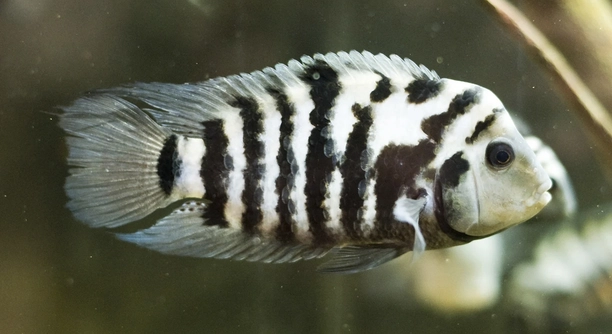
Moving a cichlid aquarium can feel overwhelming, especially if you want to keep your fish safe and healthy during the process. Many fish owners worry about the stress and damage that moving might cause. Taking the right steps helps ensure a smooth transition.
Safely moving a cichlid aquarium requires careful planning, proper water management, and minimizing fish stress. Transporting fish with stable water conditions, secure packaging, and gradual acclimation are essential for maintaining their health during the move.
Knowing the best methods to protect your cichlids will make relocating easier and less stressful for both you and your fish. These tips will help you prepare and handle the move properly.
Prepare the Aquarium and Fish Before Moving
Before moving your cichlid aquarium, it’s important to prepare both the tank and the fish properly. Start by feeding your fish lightly a day before the move to reduce waste in the water. Avoid feeding them on moving day to keep the water cleaner. Next, do a partial water change of about 20-30% to improve water quality without stressing the fish. Turn off any electrical equipment like heaters and filters before packing. Remove fragile decorations and clean the glass gently. Keep the water temperature as stable as possible by using insulation or blankets around the tank. Also, prepare containers or bags filled with the aquarium water to transport the fish safely. This step helps reduce the shock caused by changes in water conditions. Taking these precautions helps maintain a healthy environment and lowers stress for your cichlids during the move.
Preparing the tank and fish reduces stress and protects their health during transportation.
Taking time for these steps improves the chances of a smooth relocation with minimal risk of injury or illness for your cichlids.
Transporting the Fish Safely
Transporting the fish properly is key to a successful move. Use sturdy plastic bags filled halfway with aquarium water and oxygen, then carefully place the fish inside. Double-bagging prevents leaks and adds extra safety. Keep the bags upright and secure them in a cooler or insulated box to maintain a steady temperature. Avoid shaking or sudden movements during transport, as these can harm the fish. If moving for a longer time, try to limit travel to under six hours or plan stops to refresh oxygen. Upon arrival, slowly acclimate the fish to the new aquarium by gradually mixing tank water with the transport water. This reduces shock and helps them adjust to new water conditions. Proper transport methods reduce stress and keep your cichlids safe during relocation.
Secure the Aquarium Equipment
Make sure all equipment is properly disconnected and packed to avoid damage. Wrap heaters, filters, and cords separately to protect them during the move.
Wrap delicate equipment in bubble wrap or towels to prevent breakage. Label all parts to make reassembly easier. Pack small items like suction cups or air tubes in sealed bags. Avoid leaving water in electrical devices to prevent damage. When packing the filter, remove any media and store it in tank water to preserve beneficial bacteria. Keeping equipment safe ensures you won’t face unexpected issues when setting up the aquarium again. It also helps speed up the reinstallation process once you arrive at your new location.
Take extra care with fragile parts like glass lids or lights by placing them between soft materials. Secure the tank’s lid firmly but avoid sealing it airtight to allow some air circulation during transport. This helps keep your aquarium intact and functional for the move.
Stabilize the Aquarium Setup After Moving
Once the aquarium is placed in its new location, keep it stable and level. Avoid placing it near windows, heaters, or air conditioners where temperature fluctuations occur.
Check that the tank is balanced to prevent stress on the glass. Slowly reconnect all equipment and make sure everything functions properly. Add any decorations or plants carefully to avoid disturbing the fish. Perform a small water test to confirm quality before returning the fish to the tank if they were transported separately. Monitor your cichlids closely during the first days to spot signs of stress or illness. Keeping the setup stable helps your fish adjust and thrive in their new home.
Monitor Water Quality Closely
Test the water frequently after the move to catch any changes early. Keep an eye on ammonia, nitrite, and pH levels to ensure a healthy environment.
Perform partial water changes if needed to maintain water quality. Stable water conditions reduce stress on your cichlids and help them recover faster from the move.
Minimize Stress for Your Cichlids
Stress can weaken your fish’s immune system, so keep their environment calm and quiet. Avoid loud noises, sudden movements, or excessive handling for at least a week.
Provide hiding spots with plants or decorations to help your cichlids feel secure. Lower the tank lights temporarily if needed to reduce stress and encourage relaxation.
Reintroduce Fish Slowly
When putting your fish back into the aquarium, acclimate them slowly. Gradually mix tank water with transport water over 20-30 minutes.
This careful adjustment helps prevent shock from sudden changes in temperature or water chemistry.
Maintain Consistent Temperature
Keep the aquarium temperature stable during and after the move. Sudden temperature shifts can harm your cichlids and cause health issues.
FAQ
How long can cichlids stay in transport bags?
Cichlids can safely stay in transport bags for up to 6 hours if the water is oxygenated and the temperature is stable. Beyond this time, oxygen levels drop and waste builds up, which can harm the fish. For longer trips, consider using an aerated container or stopping for breaks to refresh the water and oxygen.
What is the best way to handle water changes after moving?
After moving, wait at least 24 hours before doing a partial water change to allow your cichlids to adjust. When changing water, use water that matches the tank’s temperature and pH closely. Change about 20-30% at a time to avoid shocking the fish. Frequent small changes help keep water quality high without stressing the fish.
Should I remove decorations before moving the aquarium?
It’s a good idea to remove fragile or heavy decorations before moving. This prevents damage and reduces the weight of the tank. You can pack decorations separately in bubble wrap or towels. However, leaving some stable decorations inside may help keep fish calm, but only if they don’t risk breaking or shifting during the move.
Can I keep the filter running during transport?
Running a filter during transport is not recommended. Filters require electricity and stable water flow, which are hard to maintain while moving. Instead, remove the filter media and keep it moist in tank water to preserve beneficial bacteria. Restart the filter as soon as the tank is set up again.
How do I acclimate fish to the new tank water?
To acclimate fish, float the transport bag in the new tank for 15-20 minutes to equalize temperature. Then slowly add small amounts of tank water to the bag every 5 minutes. After about 30 minutes, gently release the fish into the aquarium. This gradual process reduces stress from sudden changes in water conditions.
What should I do if my cichlids show signs of stress after moving?
Signs of stress include hiding, loss of appetite, or unusual swimming. Keep the tank environment stable and quiet. Provide hiding places and reduce light intensity if needed. Check water quality regularly. If symptoms persist, consider consulting a vet or aquarium specialist for advice.
Is it necessary to clean the tank before moving?
You don’t need to do a deep clean before moving, as this can disturb beneficial bacteria. A partial water change and gentle cleaning of glass surfaces are enough. Avoid cleaning filter media or substrate too thoroughly. The goal is to keep the tank healthy while preparing it for transport.
How can I prevent temperature fluctuations during the move?
Use insulated boxes, coolers, or blankets around the tank and transport bags to keep temperature stable. Avoid placing the tank or bags in direct sunlight or cold drafts. Using a portable heater or heat pack in colder weather can help maintain warmth, but monitor carefully to avoid overheating.
Should I feed my cichlids on moving day?
It’s best not to feed fish on moving day. Fish produce waste that can degrade water quality during transport. Feeding lightly the day before the move is better to reduce hunger and waste buildup. Once settled in the new tank, wait a few hours before offering food to help fish adjust.
Moving a cichlid aquarium can be a careful process, but with the right steps, it does not have to be stressful for you or your fish. Taking the time to prepare your tank and fish before the move is important. Feeding the fish lightly, doing partial water changes, and making sure the water temperature stays steady are all small actions that help keep your cichlids safe. Packing equipment carefully and keeping the fish in water with oxygen during transport also reduces the chances of harm. These simple preparations make a big difference in how well your fish handle the move.
Once you arrive at your new place, setting up the aquarium properly is just as important. The tank should be stable and level, away from direct sunlight or temperature extremes. Slowly reconnect all equipment and check that everything works as it should. Reintroducing the fish gradually and monitoring water quality will help the fish adjust without getting stressed. Keeping the environment calm and quiet during this time is also helpful. Your cichlids need time to get used to their new home, so patience is key. Watching for any signs of illness or stress ensures you can act quickly if your fish need extra care.
Overall, moving a cichlid aquarium requires planning and care but can be done safely with the right approach. Following guidelines to protect your fish and tank equipment reduces problems and helps your aquarium stay healthy. Remember that the well-being of your cichlids depends on stable water conditions and minimizing stress. Taking your time during every step—from preparation, to transport, to setting up again—will give your fish the best chance to thrive. Moving does not have to be overwhelming when you know what to do to keep your aquarium safe and comfortable.

Hello,
If you enjoy the content that we create, please consider saying a "Thank You!" by leaving a tip.
Every little bit helps us continue crafting quality advice that supports the health, happiness, and well-being of pets around the world, for pets of all shapes, sizes, and species.
We really appreciate the kindness and support that you show us!