
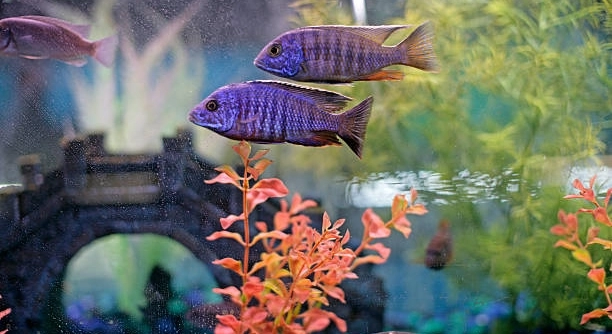
Cichlid fry can vanish suddenly, leaving many fishkeepers puzzled and concerned. This disappearance often happens overnight without clear warning. Understanding why this occurs can help protect the young fish and improve their survival chances.
Cichlid fry often disappear overnight due to predation, poor water conditions, or inadequate parental care. Factors such as aggressive tank mates, lack of hiding spaces, or sudden changes in water quality contribute significantly to their sudden loss.
Knowing the main causes behind these disappearances can help you create a safer environment for your fry and improve their chances of thriving.
Predation by Other Fish
One of the most common reasons cichlid fry disappear overnight is predation. Even in carefully maintained tanks, adult fish or other species may see the fry as easy food. This risk is especially high if the tank lacks enough hiding spots for the fry to escape danger. Some adult cichlids are naturally aggressive and may attack their own young or fry of other fish. Tankmates like larger fish or bottom feeders can also prey on the fry, reducing their numbers quickly. Providing plenty of plants, rocks, or breeding caves helps create safe areas for the fry to hide. It is important to observe the behavior of all fish in the tank regularly to identify any threats. Adjusting tank mates or separating the fry into a nursery tank are effective strategies to protect them from being eaten.
Predation happens fast and silently, often during the night when fry are more vulnerable.
Creating a secure environment with ample hiding places significantly increases fry survival. Separating fry from aggressive fish and reducing tank overcrowding also reduces predation risks. By paying close attention to tank dynamics, you can better protect your young cichlids during their most fragile stages.
Water Quality Issues
Poor water quality is a silent threat to cichlid fry and can cause sudden disappearances without visible signs of illness. Fry are very sensitive to changes in water parameters like pH, ammonia, nitrites, and nitrates. Even small fluctuations can stress the fry, weaken their immune systems, and lead to death. Overfeeding and decaying food increase waste in the tank, further harming water quality. Regular water testing and changes are essential to keep the environment safe. Using a reliable filtration system and avoiding overcrowding also helps maintain stable water conditions. Many times, a sudden drop in water quality overnight can be the reason for fry loss, as their small size and delicate nature make recovery difficult. Maintaining consistent water parameters creates a healthier habitat and improves fry survival rates.
Inadequate Parental Care
Some cichlid species do not always care for their fry properly. When parents are stressed or inexperienced, they might neglect or even eat their young. This behavior can lead to a sudden loss of fry overnight.
Parental care varies widely among cichlids. Some species fiercely guard their fry, while others are less attentive. Stress from tank conditions or aggression from other fish can cause parents to abandon or harm their fry. Removing aggressive parents or providing separate breeding tanks can improve fry survival. Observing parental behavior closely helps identify when intervention is needed to protect the young.
In some cases, even caring parents may be overwhelmed if there are too many fry or if water conditions are poor. Offering a secure environment and minimizing disturbances supports parents in their protective role.
Overcrowding and Stress
Overcrowding in the tank causes stress for adult fish and fry alike. Stress weakens their immune systems, making fry more vulnerable to disease and disappearance.
High fish density leads to competition for food and space, which harms fry survival. Fry may be pushed aside during feeding or chased away by adults. Limited swimming and hiding space increase aggression among fish. Keeping the tank at an appropriate population level reduces stress and gives fry room to grow. Adding more plants or decorations can help reduce stress by providing hiding spots and breaking sightlines between aggressive fish. Monitoring the number of fish and their behavior ensures a balanced environment where fry have a better chance to thrive.
Poor Nutrition
Fry need proper nutrition to grow strong and survive. Without the right food, they become weak and more likely to disappear.
Feeding fry small, frequent meals of specialized food like infusoria, baby brine shrimp, or crushed flakes supports their development and increases survival rates.
Disease and Parasites
Diseases and parasites can spread quickly in a tank, causing fry to die suddenly. Poor water quality and stress make fry more vulnerable. Maintaining cleanliness, quarantining new fish, and treating infections early are crucial steps to prevent losses.
Sudden Temperature Changes
Fry are very sensitive to temperature changes. Sudden drops or spikes can shock their systems, leading to death. Keeping the tank temperature stable and within the right range is important to protect young cichlids.
FAQ
Why do my cichlid fry disappear overnight even though the adults seem calm?
Even calm adult cichlids can become aggressive or hungry during the night when fry are less active and more vulnerable. Some adults may prey on their own young, especially if the fry are scattered or hiding in the open. Lack of adequate hiding places increases the risk of fry being eaten without obvious signs during the day.
How can I protect fry from being eaten by other fish in the tank?
Providing plenty of plants, rocks, and breeding caves gives fry places to hide. Using a separate nursery tank for fry or tank dividers can physically separate them from aggressive fish. Reducing tank overcrowding also lowers competition and aggression. Watching fish behavior helps spot threats early and take action.
What water conditions are best for cichlid fry survival?
Stable water temperature between 75–80°F (24–27°C) is ideal. Maintain pH around 7.0 to 8.0 depending on species. Ammonia and nitrite levels must be zero, and nitrates should be kept low with regular water changes. Use a gentle filtration system to avoid sucking in fry while keeping water clean.
How often should I feed cichlid fry, and what should I feed them?
Fry need small amounts of food several times a day, ideally 3 to 5 feedings. Start with tiny live or powdered foods like infusoria or baby brine shrimp, then gradually introduce crushed flakes or finely ground pellets as they grow. Avoid overfeeding to keep water quality high.
Can stress cause fry to disappear suddenly?
Yes, stress weakens fry and makes them more prone to disease or being eaten. Stress can come from overcrowding, aggressive tankmates, sudden water changes, or poor water quality. Minimizing disturbances and maintaining a peaceful, stable tank environment reduces stress.
How do I know if my cichlid parents are caring for their fry properly?
Caring parents will guard the fry closely, chase away threats, and keep them grouped together. If parents seem indifferent, aggressive, or eat their fry, it may be best to remove the fry or separate the parents. Some species need a safe nursery tank for better fry survival.
What diseases commonly affect cichlid fry?
Fry are vulnerable to bacterial infections, fungal growth, and parasites like ich or flukes. Signs include lethargy, white spots, fuzzy patches, or sudden deaths. Early detection and treatment, along with clean water, help control outbreaks. Quarantining new fish also prevents disease introduction.
Is it normal for some fry not to survive even with good care?
Yes, a natural loss rate exists due to genetics, competition, and environmental factors. Survival rates improve with good care but never reach 100%. Keeping a larger number of fry increases chances that enough will grow to adulthood.
How can I stabilize temperature to avoid shocking fry?
Use a reliable aquarium heater with a thermostat and a thermometer to monitor tank temperature. Avoid placing the tank near windows, vents, or areas with drafts. Make gradual changes during water changes rather than sudden ones to keep fry safe.
Can overcrowding affect fry growth even if they don’t disappear?
Overcrowding causes stress and competition for food and space, which can stunt fry growth and weaken them. Providing adequate space and reducing the number of fish per gallon improves overall health and fry development.
Final Thoughts
Caring for cichlid fry can be challenging, especially when they suddenly disappear overnight. Many factors can cause this, including predation, poor water quality, stress, and inadequate care. Understanding these common reasons helps you take better care of the fry and improve their chances of survival. Being aware of potential risks and acting quickly when problems arise makes a big difference. It’s important to keep the environment safe and stable, as fry are very sensitive to changes.
Creating a good habitat for fry involves more than just keeping the water clean. Providing plenty of hiding spots, controlling the number of fish in the tank, and offering the right food all play key roles. Parents may help protect their young, but sometimes separating fry into a nursery tank is necessary. Watching how the adult fish behave can give clues about the best way to protect the fry. Feeding small amounts of specialized food several times a day supports healthy growth and development. These steps may seem small, but they build a strong foundation for fry to grow into healthy adults.
Patience is also important when raising cichlid fry. Not all fry will survive, even with great care, but minimizing risks helps increase their numbers. Regular testing of water conditions and maintaining a stable temperature keep the tank safe. Avoiding sudden changes and reducing stress are crucial for fry health. Taking the time to observe and respond to the needs of the fish creates a more balanced and peaceful tank. With consistent care and attention, it’s possible to see more fry grow and thrive over time.

Hello,
If you enjoy the content that we create, please consider saying a "Thank You!" by leaving a tip.
Every little bit helps us continue crafting quality advice that supports the health, happiness, and well-being of pets around the world, for pets of all shapes, sizes, and species.
We really appreciate the kindness and support that you show us!