
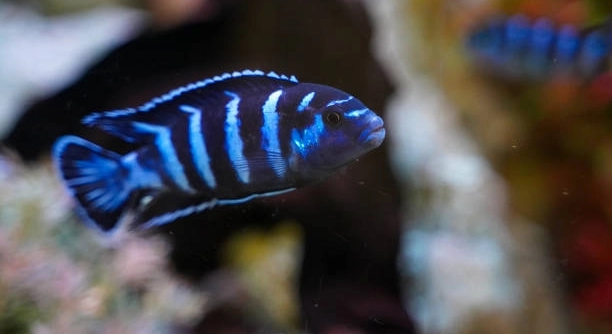
African cichlids are popular fish known for their vibrant colors and lively behavior. Many fishkeepers enjoy adding them to their tanks for a splash of life. These fish often live in groups, making their care unique compared to other species.
Keeping just one African cichlid is generally not recommended. These fish are social and territorial, thriving best in groups where they can interact and establish a natural hierarchy. Solitary cichlids may become stressed and display aggressive or withdrawn behavior.
Understanding why group dynamics matter will help ensure your fish stay healthy and happy. Learning about their needs is key to successful care and a thriving aquarium environment.
Why African Cichlids Prefer Company
African cichlids are naturally social fish. In their natural habitats, like Lake Malawi or Lake Tanganyika, they live in large groups. These groups help them feel secure and establish clear social roles. When kept alone, a cichlid may feel isolated and stressed. Stress can weaken their immune system, making them more prone to illness. They also need interaction to express their natural behaviors, such as defending territory or showing dominance. Without other fish, they might become bored or aggressive toward their owner or tankmates. A single cichlid may become more aggressive as it has no other fish to challenge or engage with. This behavior can make them difficult to manage. Overall, keeping several cichlids together mimics their natural conditions and promotes their well-being. It creates a balanced environment where they can thrive and display their vibrant colors and behaviors.
Keeping more than one cichlid helps prevent loneliness and stress in the fish. They need social contact to be healthy.
Many who try to keep a single cichlid find that the fish’s behavior changes over time. Initially, it may seem calm, but without company, it often becomes more aggressive or hides frequently. This change happens because the fish lacks normal social cues from others. Adding more cichlids spreads out aggression and helps the fish interact in healthier ways. A group also encourages natural behavior, which improves the overall tank atmosphere. This balance benefits both the fish and the person caring for them, making tank management easier and more rewarding.
Tank Size and Setup for Multiple Cichlids
Choosing the right tank size is important when keeping African cichlids together. These fish need enough space to establish their territories and avoid constant fighting. A small tank can increase stress and aggression because the fish have little room to escape or create boundaries. Generally, a 30-gallon tank or larger is recommended for a small group of cichlids. The tank should also have plenty of hiding places using rocks or caves. These structures give the fish safe spots and reduce stress by allowing them to retreat. Proper filtration and regular water changes are essential, as cichlids produce a lot of waste. Keeping the water clean and stable supports their health and vibrant colors.
A suitable tank size and environment reduce aggression and help maintain healthy cichlid groups.
When planning your tank, consider how many fish you want to keep. A larger tank allows more fish to live together with less fighting. You can arrange rocks and decorations to create separate areas that help reduce conflicts. Each cichlid can claim its own space, which lowers tension. Pay attention to water quality, as African cichlids prefer stable conditions with specific pH and hardness. Meeting these needs will improve their comfort and longevity. Ultimately, a well-planned tank setup encourages peaceful coexistence and makes caring for these beautiful fish easier.
Feeding Single vs. Multiple Cichlids
Feeding one cichlid is simpler but can lead to overfeeding or boredom. Multiple cichlids eat more evenly and display natural foraging behavior. This creates a healthier feeding routine and reduces waste in the tank.
Feeding multiple African cichlids requires careful portion control. When feeding one fish, it’s easy to give too much food, which can pollute the water and harm the fish’s health. With a group, food is eaten quickly, and there’s less chance of leftovers. Different cichlids may also have slightly varied diets, so offering a mix of flakes, pellets, and occasional live food keeps them nourished. This variety encourages natural hunting instincts and reduces aggression during feeding time, as each fish focuses on its own portion. Feeding in several places around the tank can prevent dominant fish from taking all the food.
A single cichlid may miss out on the social stimulation feeding with others provides. Watching other fish eat triggers their natural instincts. Group feeding is more active and enriching. It strengthens social bonds and keeps the fish mentally engaged. Feeding multiple fish also spreads out attention and reduces stress on any one individual. This leads to healthier, happier fish overall.
Aggression and Territory Management
Aggression is common but more manageable in groups with enough space and hiding spots. Single cichlids often show unusual aggression due to stress or boredom.
In a group setting, cichlids establish a social order, which helps reduce constant fighting. Each fish claims a territory, and conflicts usually happen only when boundaries are crossed. Proper tank decoration can break the line of sight between aggressive fish, lowering tension. When only one cichlid is kept, it has no peers to interact with, leading to misplaced aggression, often directed at tank decorations or even the owner. This can make the fish more difficult to care for and less enjoyable to watch.
Maintaining multiple cichlids requires balancing numbers and tank size carefully. Overcrowding can increase aggression, while too few fish may lead to a stressed single fish. Observing behavior and adjusting tank setup is key. Sometimes adding more hiding spots or rearranging rocks helps calm aggression. Providing a stable environment where each fish can feel secure reduces stress-related behaviors. This creates a peaceful aquarium and allows the natural beauty of African cichlids to shine.
Breeding Considerations
Breeding African cichlids in a single-fish tank is nearly impossible. Multiple fish are needed for natural mating behaviors to occur. Without others, a lone cichlid won’t reproduce or show breeding behaviors.
Breeding also increases aggression as fish compete for mates and territory. This is easier to manage in larger tanks with multiple fish, where space helps reduce conflicts.
Health Risks of Keeping One Cichlid
A solitary African cichlid is more prone to stress-related illnesses. Stress weakens their immune system, making infections and diseases more likely to develop. Group settings promote natural behavior, which helps keep fish healthier.
Importance of Proper Water Conditions
Stable water conditions are essential for all cichlids. Frequent water changes and monitoring pH and temperature prevent illness and stress. This is especially critical when only one fish is present, as it can’t rely on social buffering from a group.
FAQ
Can an African cichlid live happily alone?
African cichlids are social fish that usually do not thrive alone. They depend on interaction with others to feel secure and exhibit natural behaviors. A single cichlid often becomes stressed, which can lead to health problems and unusual aggression. While it’s possible for one to survive alone, its quality of life may suffer.
How many cichlids should I keep together?
Keeping a small group of at least three to six cichlids is ideal. This number allows social structures to form and spreads out aggression. Too few fish can increase bullying, while too many can overcrowd the tank. A 30-gallon tank or larger is recommended to house this group comfortably.
What tank size is best for multiple cichlids?
A minimum of 30 gallons is needed for a small group of cichlids. Larger tanks offer more space to establish territories, which lowers stress and aggression. Proper tank size combined with hiding spots helps maintain a peaceful environment.
Are African cichlids aggressive toward other fish?
Yes, African cichlids can be territorial and aggressive, especially males. However, aggression is often directed at their own species rather than unrelated fish. Mixing compatible species and providing enough space and hiding places reduces conflicts.
Can I keep different types of cichlids together?
It’s possible but requires careful planning. Some species have different temperaments and space needs. Mixing species that are too aggressive or territorial can cause constant fighting. Researching compatibility and matching size and temperament helps create a balanced community tank.
How often should I feed my cichlids?
Feeding once or twice a day with small portions is best. Overfeeding can pollute the water and harm fish health. Providing a varied diet of flakes, pellets, and occasional live food ensures proper nutrition and encourages natural foraging.
What are signs of stress in African cichlids?
Signs include hiding more than usual, loss of color, reduced appetite, and aggressive behavior. Stressed fish may also swim erratically or become lethargic. These symptoms indicate environmental or social issues that need attention.
How do I reduce aggression in my cichlid tank?
Use a larger tank with plenty of rocks and caves to create territories and hiding spots. Keeping a balanced group size spreads aggression. Regularly rearranging decorations can break established dominance and reduce fights.
Is it necessary to cycle the tank before adding cichlids?
Yes, cycling establishes beneficial bacteria that break down toxic waste. Adding cichlids to an uncycled tank can cause harmful ammonia and nitrite spikes, risking their health. Patience during cycling leads to a safer environment for your fish.
Can I keep an African cichlid with other freshwater fish?
Some freshwater fish can coexist with African cichlids, but many smaller or peaceful species may be harassed or eaten. Choosing tank mates that can tolerate similar water conditions and are robust enough to handle cichlid behavior is important.
How do I know if my cichlid is healthy?
Healthy cichlids are active, eat well, and display bright colors. Their fins are intact, and their eyes are clear. Watching for consistent behavior and appearance helps spot illness early for timely care.
What water parameters do African cichlids need?
They prefer hard, alkaline water with a pH between 7.8 and 8.6 and temperatures around 75-82°F (24-28°C). Maintaining these parameters supports their health and coloration.
Do African cichlids need special filtration?
Strong filtration is necessary due to their high waste production. A filter that can handle at least double the tank volume per hour is recommended. Good water circulation and oxygenation help keep the environment stable.
Can African cichlids recognize their owners?
They can learn to recognize people who feed and care for them. Over time, some cichlids may respond to your presence, showing curiosity or swimming near the glass when you approach.
What should I do if my cichlid gets sick?
Isolate the sick fish in a quarantine tank to prevent spread. Check water conditions and adjust as needed. Consult a vet or fish specialist for proper diagnosis and treatment.
Is it okay to keep one cichlid temporarily?
Short-term isolation is sometimes necessary, such as after illness or injury. However, long-term keeping of a single cichlid is not ideal and should be avoided when possible.
These common questions cover many aspects of caring for African cichlids and help create a better environment for these colorful fish. Following these guidelines supports their well-being and makes tank care more enjoyable.
Keeping African cichlids can be very rewarding, but it is important to understand their needs. These fish naturally live in groups and enjoy social interaction. Trying to keep just one cichlid usually leads to problems like stress and aggression. A single cichlid can feel lonely and frustrated because it cannot interact with other fish. This can cause unhealthy behavior and make caring for the fish more difficult. When cichlids have companions, they tend to be more active and show their true colors, making the tank more lively and interesting.
Tank setup plays a big role in how well African cichlids do. Having a large enough tank with plenty of hiding spots is necessary to keep peace in the group. Rocks, caves, and decorations help the fish create territories and reduce fights. Water quality is also very important. These fish produce a lot of waste, so strong filtration and regular water changes are needed to keep the water clean and stable. Proper feeding and maintaining the right water temperature and pH level will also help the fish stay healthy. Paying attention to these details makes it easier to enjoy a balanced aquarium.
Overall, while it might seem easier to keep just one African cichlid, this approach is not the best for the fish’s well-being. Providing a small group and a suitable environment allows the fish to live more naturally and comfortably. This means less stress, less aggression, and a more beautiful tank. Understanding the social nature and care needs of African cichlids will help you create a healthy, peaceful home for them. Taking the time to meet these needs will make the experience of keeping African cichlids much more enjoyable and successful.

Hello,
If you enjoy the content that we create, please consider saying a "Thank You!" by leaving a tip.
Every little bit helps us continue crafting quality advice that supports the health, happiness, and well-being of pets around the world, for pets of all shapes, sizes, and species.
We really appreciate the kindness and support that you show us!