
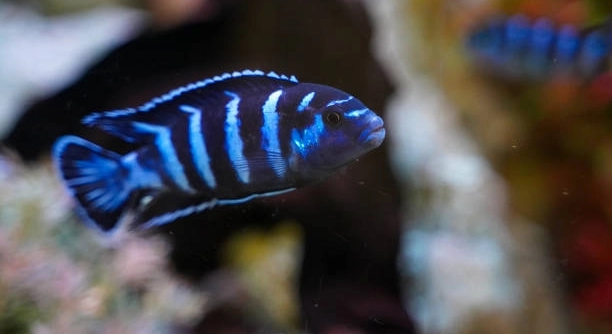
African cichlids are popular freshwater fish known for their vibrant colors and active behavior. Keeping them healthy requires understanding their tank environment. Small mistakes can cause stress, affecting their well-being and appearance over time.
African cichlids dislike overcrowding, poor water quality, lack of hiding spots, inappropriate tank mates, unstable temperatures, incorrect diet, and harsh lighting. These factors create stress and aggression, which harm their health and growth in captivity. Proper tank management is essential.
Knowing what disturbs these fish helps improve their care and creates a peaceful, thriving aquarium. The following points clarify what to avoid for happy cichlids.
Overcrowding the Tank
Overcrowding is one of the main issues African cichlid owners face. These fish are territorial and need enough space to establish their own areas. When too many fish share a small tank, it leads to increased aggression and stress. Fighting among cichlids can cause injuries or even death. Overcrowding also impacts water quality, as more fish produce more waste, which can quickly build up toxins. This environment becomes unhealthy and requires frequent maintenance. To prevent this, it is important to choose a tank size appropriate for the number of cichlids you plan to keep. Adding too many fish at once makes it harder for the filtration system to keep the water clean and balanced. Always consider the adult size of the fish, as they grow and need more space over time. Proper stocking levels help maintain peace and keep your cichlids healthy and active.
Overcrowding causes stress, aggression, and poor water quality, which harms cichlids. A spacious tank reduces conflicts and supports better health.
Keeping the right number of fish requires planning and patience. If you notice frequent fighting, check your tank’s population. Rearranging decorations can help, but the best solution is often to reduce the number of fish. Larger tanks provide more space and better water stability. In addition to size, consider the species’ behavior, as some are more aggressive and need more room. Following these steps creates a balanced environment, allowing cichlids to thrive peacefully.
Poor Water Quality
African cichlids need clean, well-filtered water to stay healthy. Dirty water can cause diseases and weaken their immune systems. It is important to test water regularly for ammonia, nitrites, and nitrates, which build up from fish waste and leftover food. High levels of these chemicals are harmful and can stress or kill the fish. Frequent water changes help remove toxins and keep the water fresh. A good filter supports this by removing debris and circulating oxygen. Without proper filtration, waste accumulates quickly, leading to poor water quality. Maintaining stable pH and temperature levels also plays a key role in water quality. Sudden changes can shock the fish and make them vulnerable to illness. Regular cleaning and monitoring are necessary to ensure a safe environment for your cichlids.
Keeping water clean requires consistent effort and attention to tank conditions. Regular testing and maintenance protect your fish’s health.
Water quality issues often start small but can worsen fast. Even clear water can contain harmful chemicals invisible to the eye. Using test kits is the best way to track water parameters accurately. If levels are off, immediate action such as partial water changes is needed. Avoid overfeeding, as leftover food decomposes and pollutes the water. Also, remove dead plants or debris that can cause decay. Setting a schedule for maintenance helps maintain stability. Keeping the tank clean reduces disease risk and supports strong, vibrant fish. Well-maintained water conditions contribute to longer lifespans and better coloration in African cichlids.
Lack of Hiding Spots
African cichlids feel safer and less stressed when they have places to hide. Without enough shelters, they become vulnerable to aggression and anxiety.
Providing rocks, caves, or plants gives cichlids refuge and reduces fights. Hiding spots break the line of sight, calming territorial disputes and allowing shy fish to rest.
Natural decorations mimic their native environment and help establish territories. Hiding places also encourage natural behaviors like exploring and resting. Balancing open swimming space with shelters creates a healthier, more comfortable tank.
Inappropriate Tank Mates
Not all fish get along with African cichlids. Choosing incompatible tank mates increases aggression and stress.
Some species are too passive and become targets, while others may be too aggressive and provoke fights. It is essential to select fish with similar size and temperament. Avoid mixing cichlids with slow-moving or small fish that cannot defend themselves. Proper research on species compatibility prevents constant conflict and injury. Keeping the tank population balanced helps maintain peace and allows cichlids to thrive without unnecessary stress or competition.
Unstable Temperatures
African cichlids are sensitive to sudden changes in water temperature. Fluctuations cause stress and weaken their immune system.
Maintaining a stable temperature between 75°F and 82°F is essential. Using a reliable heater and thermometer helps prevent harmful shifts.
Incorrect Diet
Feeding African cichlids the wrong food affects their health and coloration. They need a balanced diet specific to their species.
Providing high-quality pellets, supplemented with occasional vegetables or protein, supports growth and vitality. Avoid overfeeding, which leads to poor water quality and obesity.
Harsh Lighting
Too much bright light can stress African cichlids. They prefer moderate lighting that mimics natural conditions.
Harsh lighting can cause them to hide more and lose color vibrancy. Adjustable lighting helps create a comfortable environment.
What causes aggression in African cichlids?
Aggression in African cichlids mainly comes from territorial behavior and competition for resources. These fish are naturally territorial, especially males, and will defend their space fiercely. Overcrowding, lack of hiding spots, or incompatible tank mates often increase fights. Stress from poor water quality or sudden environmental changes also contributes to aggression.
How often should I change the water in a cichlid tank?
Regular water changes are essential for maintaining water quality. Typically, changing 20-30% of the water weekly keeps toxins low and provides fresh minerals. If the tank is heavily stocked or filtration is weak, more frequent changes may be necessary. Always use dechlorinated water at the right temperature to avoid shocking the fish.
Can African cichlids live with other fish species?
Yes, but compatibility depends on the species’ temperament and size. Choose tank mates with similar aggression levels and avoid slow or small fish that might be bullied. Many cichlids do well with other robust fish like certain catfish or larger tetras. Research is important to prevent conflicts.
What is the ideal tank size for African cichlids?
A minimum of 30 gallons is recommended for a small group of African cichlids. Larger tanks of 55 gallons or more are better for multiple fish to reduce aggression and overcrowding. Size depends on the number and species of cichlids, as some grow larger and need more space to swim and claim territory.
How do I recognize stress in African cichlids?
Signs of stress include hiding more than usual, loss of color, erratic swimming, and loss of appetite. Stress weakens their immune system, making them prone to illness. Identifying and fixing issues like water quality, tank mates, or lighting helps the fish recover.
What should I feed African cichlids?
A balanced diet includes high-quality cichlid pellets or flakes designed for their species. Supplement with occasional fresh or frozen foods such as brine shrimp, bloodworms, or vegetables like spinach and peas. Avoid feeding too much protein to herbivorous species, as it can cause health problems.
How important is water pH for African cichlids?
Water pH plays a critical role in their health. African cichlids prefer alkaline water with pH between 7.8 and 8.6, similar to their natural lake habitats. Keeping pH stable helps reduce stress and supports proper biological functions. Sudden pH swings can be harmful.
Can I use tap water for my cichlid tank?
Tap water can be used if treated properly to remove chlorine and chloramine. These chemicals are toxic to fish. Water conditioners are available to neutralize harmful substances. It is also important to test the water parameters regularly to ensure it meets the needs of African cichlids.
Why do African cichlids dig in the substrate?
Digging is natural behavior related to territory and breeding. Cichlids rearrange the substrate to create nests or clear spaces. While it may disturb plants or decorations, it helps them feel secure. Providing plenty of hiding spots and sturdy plants can reduce damage.
How do I prevent diseases in my African cichlid tank?
Prevent diseases by maintaining excellent water quality, avoiding overcrowding, and feeding a nutritious diet. Quarantining new fish before adding them to the main tank reduces the risk of introducing infections. Regular observation and prompt treatment of any signs of illness are important for long-term health.
Final thoughts are important when caring for African cichlids. These fish require specific conditions to stay healthy and happy in a tank. Understanding what they dislike helps prevent common problems such as stress, illness, and aggression. By avoiding overcrowding, keeping water clean, providing hiding spots, and selecting proper tank mates, you create an environment where cichlids can thrive. Paying attention to their needs shows respect for their natural behaviors and helps maintain a peaceful aquarium.
Water quality and stable tank conditions are key to successful cichlid care. Frequent water changes, proper filtration, and monitoring parameters like temperature and pH help maintain a balanced environment. African cichlids come from specific habitats, and replicating those conditions is essential. Even small mistakes can lead to big problems, so consistent tank maintenance is important. Making adjustments based on your fish’s behavior and health will ensure a long and vibrant life for your cichlids.
Lastly, feeding the right diet and providing adequate space are equally important. African cichlids need food that matches their species requirements, whether herbivorous or carnivorous. Overfeeding should be avoided to keep water quality high and prevent obesity. A well-planned tank setup with enough room reduces stress and aggression. Taking time to learn about each species’ needs will lead to a more rewarding experience as you watch your fish grow and display their beautiful colors. Overall, good care and attention make a difference in the well-being of African cichlids.

Hello,
If you enjoy the content that we create, please consider saying a "Thank You!" by leaving a tip.
Every little bit helps us continue crafting quality advice that supports the health, happiness, and well-being of pets around the world, for pets of all shapes, sizes, and species.
We really appreciate the kindness and support that you show us!