
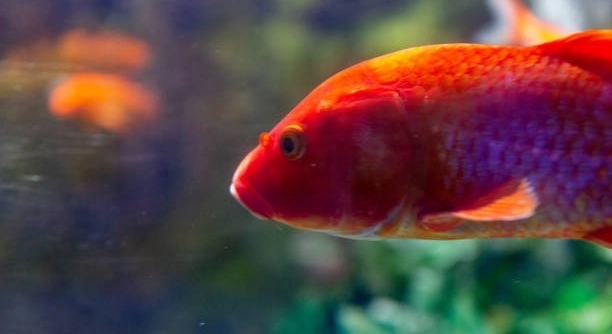
Are your cichlids looking stressed, acting aggressive, or hiding more than usual in your tank? You might be missing something. Keeping cichlids happy and healthy takes more than just food and water.
New cichlid keepers often make avoidable mistakes that affect fish health, tank balance, and long-term success. These errors usually come from misinformation, rushed setups, or improper maintenance routines. Recognizing them early helps ensure a thriving, peaceful aquarium.
Each mistake may seem small at first, but they can lead to bigger problems over time. Let’s go over the common ones together.
Overcrowding the Tank
Overcrowding is one of the most common mistakes among new cichlid keepers. These fish need space to establish territories and maintain peace. When too many cichlids are placed in a single tank, it creates constant stress. This stress leads to increased aggression, illness, and even death in some cases. Cichlids are territorial by nature, so giving them room to swim, hide, and rest is essential. A large enough tank helps control aggression and allows natural behaviors to show. Always research the adult size of your fish before buying, and consider how many can comfortably live in your setup. A bigger tank is not just about aesthetics—it plays a major role in your fish’s long-term health and stability. It also reduces maintenance challenges and helps the water stay cleaner for longer. Proper planning and spacing can prevent unnecessary loss and create a more peaceful, balanced aquarium from the very start.
Cramming too many fish into a tank may seem harmless at first, but it creates constant competition for space, food, and hiding spots.
Make sure your tank size supports the adult size and number of fish you want to keep. It’s easier to prevent conflict with proper spacing.
Ignoring Water Parameters
Many beginners overlook the importance of water quality, assuming tap water and a filter are enough. This can cause problems quickly.
Cichlids are sensitive to changes in their environment. The wrong pH level, ammonia spikes, or high nitrates can weaken their immune systems and lead to illness. While a good filter helps, regular testing is still necessary. You should test your water weekly, especially in the first few months. A stable pH level between 7.5 and 8.5 is often ideal, but always check based on your specific species. Ammonia and nitrites should remain at zero, while nitrates should be kept low through partial water changes. Ignoring these levels makes your fish uncomfortable and vulnerable. It’s not about creating a perfect environment overnight, but about consistency. A little attention goes a long way in preventing common issues. When water is clean and balanced, your cichlids are more active, colorful, and likely to thrive in your care.
Choosing Incompatible Tank Mates
Placing cichlids with the wrong tank mates often leads to stress, aggression, or injury. Not all fish can handle a cichlid’s temperament, and choosing poorly will upset the balance in your tank quickly.
Some cichlids are more aggressive than others, and mixing them with peaceful species can cause constant fighting. Even within the cichlid family, certain species do not get along. For example, African cichlids from Lake Malawi may not do well with South American types due to different water needs and behavior. Also, smaller fish may become targets or even meals. When selecting tank mates, it’s important to match size, temperament, and water requirements. If you’re unsure, keeping a species-only tank is a safer option for beginners. It gives you time to learn about their behavior without the added complication of managing multiple species in one space.
Fish that share similar aggression levels, sizes, and water preferences are more likely to coexist peacefully. Research compatibility before adding new fish. Sudden changes in tank behavior are often linked to poor pairings. Avoid impulse buying at pet stores without knowing how a new fish will affect the others. Patience and planning make a noticeable difference in tank stability.
Overfeeding the Fish
Feeding too much or too often leads to poor water quality and sick fish. Cichlids don’t need large amounts of food, and leftovers rot quickly, raising ammonia levels and encouraging harmful bacteria growth.
Cichlids do best when fed once or twice a day with only what they can eat in about 30 seconds. Uneaten food settles into the gravel and pollutes the water. Over time, this causes spikes in ammonia and nitrate, both harmful to fish health. A fish that looks hungry isn’t always hungry—cichlids will beg out of habit. Watch their body shape for signs of overfeeding, like bloating or sluggishness. Stick to a feeding schedule and use a variety of high-quality foods in small amounts. Consider skipping a feeding day once a week to let their systems reset and to keep water cleaner. A little restraint goes a long way in maintaining a healthy tank.
Skipping Regular Tank Maintenance
Neglecting routine cleaning allows waste and toxins to build up in the water, making the tank unsafe. Cichlids are sensitive to poor conditions, and even small lapses in maintenance can lead to stress, illness, and shortened lifespans.
A clean tank doesn’t just look better—it functions better. Regular water changes, gravel vacuuming, and filter checks are necessary. Make partial water changes weekly or biweekly, depending on your stocking level. Cleaning helps prevent harmful spikes and keeps your cichlids active and healthy.
Using the Wrong Substrate
The type of substrate affects cichlid comfort and behavior. Fine sand is usually better for digging and sifting, especially for African species. Rough gravel may hurt their mouths or trap waste, affecting water quality and making cleaning harder. Choose based on your fish’s natural habitat needs.
Not Providing Hiding Spaces
Without proper hiding spots, cichlids become anxious and more aggressive. Rocks, caves, and decorations help them feel safe and reduce conflict. Even dominant fish benefit from these areas, as it gives them boundaries and structure within the tank.
How often should I perform water changes for my cichlid tank?
Water changes should be done regularly to maintain good water quality. For most cichlid tanks, changing 20-30% of the water once a week is recommended. This helps remove waste and toxins, keeping ammonia and nitrate levels low. If your tank is heavily stocked, you might need more frequent changes. Consistency is key. Regular water changes reduce stress on the fish and improve their health over time. Always use dechlorinated water at a similar temperature to avoid shocking your fish.
What is the ideal tank size for cichlids?
Tank size depends on the species and number of cichlids you plan to keep. As a general rule, a minimum of 30 gallons is suitable for smaller species or a few cichlids. Larger or more aggressive species require at least 55 gallons or more. Bigger tanks reduce territorial disputes and allow fish to swim freely. Overcrowding should be avoided because it leads to stress and illness. Proper tank size supports healthy behavior and long-term well-being.
Can I keep different species of cichlids together?
Mixing cichlid species requires careful consideration of their behavior and water needs. Some African and South American cichlids have different pH and temperature preferences, making it hard to maintain suitable conditions for all. Aggression levels also vary, and incompatible species can cause fights and injury. It’s often safer to keep species from the same lake or region together. If you want a mixed tank, research compatibility thoroughly and monitor fish closely for signs of stress or aggression.
What should I feed my cichlids?
A balanced diet is essential for cichlids’ health. Feed high-quality pellets or flakes designed for cichlids as a staple. Supplement with frozen or live foods like brine shrimp, bloodworms, and daphnia for variety and nutrition. Avoid overfeeding by giving only what the fish consume in 2-3 minutes. Overfeeding leads to poor water quality and health problems. Some species benefit from occasional vegetables such as peas or spinach. Tailoring food to species needs improves color, growth, and vitality.
Why are my cichlids hiding all the time?
Constant hiding often signals stress or poor tank conditions. Causes include aggression from tank mates, inadequate hiding spots, or water quality problems. Cichlids need secure places to retreat to feel safe. Ensure your tank has rocks, caves, or plants that offer shelter. Check water parameters for ammonia, nitrites, and pH stability. If the fish continue hiding, review their environment and tank mates. Reducing stress is critical for their health and natural behavior.
How can I control aggression in my cichlid tank?
Aggression is common but can be managed by proper tank setup. Provide enough space and hiding spots to reduce territorial disputes. Avoid overcrowding and choose compatible species. Introducing fish at the same time helps establish territories fairly. Feeding regularly and avoiding sudden changes reduces stress-related aggression. Sometimes rearranging decorations resets territories. Monitor fish behavior and separate overly aggressive individuals if needed. Proper management leads to a more peaceful aquarium.
What signs indicate my cichlids are sick?
Look for changes in behavior or appearance. Common signs include loss of appetite, lethargy, clamped fins, unusual swimming patterns, spots, or discoloration. Also watch for rapid breathing or scratching against objects. Early detection allows for quicker treatment and better outcomes. Keep quarantine tanks ready for new or sick fish to avoid spreading disease. Maintaining good water quality is the best prevention.
Do cichlids need a heater?
Most tropical cichlids require a stable temperature between 75°F and 82°F. A heater ensures consistent warmth, especially in cooler climates or air-conditioned rooms. Sudden temperature drops stress fish and increase susceptibility to disease. Use a reliable heater with a thermostat and check water temperature regularly. Proper temperature control supports their metabolism and immune system.
Is it necessary to cycle a new cichlid tank?
Yes, cycling is essential before adding fish. It establishes beneficial bacteria that break down toxic ammonia and nitrites into less harmful nitrates. Without cycling, fish are exposed to harmful waste and likely to become sick or die. The process usually takes 4-6 weeks. Testing kits help track progress. Patience during this phase ensures a safer environment for your cichlids.
Can cichlids live with other types of fish?
It depends on the species and temperament. Many cichlids are aggressive and territorial, which can make cohabitation difficult. Smaller or peaceful fish risk being bullied or eaten. Some larger, robust species might coexist if tank size and hiding spots are sufficient. Always research compatibility and observe fish closely when introducing new tank mates. Starting with species that share similar water and behavior needs improves chances of success.
Caring for cichlids can be rewarding, but it requires attention to detail and consistent care. Many new keepers make mistakes that can be avoided with a little research and preparation. These common errors, such as overcrowding, ignoring water quality, and overfeeding, often lead to stress or illness in the fish. Understanding your cichlids’ needs helps create a stable and healthy environment where they can thrive. Keeping the tank clean, providing enough space, and choosing compatible tank mates are all important steps. When these basics are covered, the chance of problems decreases significantly.
Maintaining proper water parameters is another key factor. Cichlids are sensitive to changes in pH, ammonia, nitrites, and nitrates, so regular testing is necessary. Many beginners underestimate the importance of cycling the tank before adding fish. The beneficial bacteria that develop during cycling help break down harmful waste, creating a safe habitat. Water changes should be done regularly to keep these levels balanced and the environment clean. A balanced diet, careful feeding, and proper hiding places also contribute to the fish’s well-being. Each element works together to support healthy behavior and long life.
Mistakes happen, but learning from them early can save time and frustration. Starting with fewer fish, giving them enough space, and monitoring their health closely will help new keepers gain confidence. Patience is essential—success comes from steady care and observation. With time, cichlid keepers can enjoy the beauty and personality these fish offer. Keeping things simple and consistent is often the best approach for a happy, thriving aquarium.

Hello,
If you enjoy the content that we create, please consider saying a "Thank You!" by leaving a tip.
Every little bit helps us continue crafting quality advice that supports the health, happiness, and well-being of pets around the world, for pets of all shapes, sizes, and species.
We really appreciate the kindness and support that you show us!