
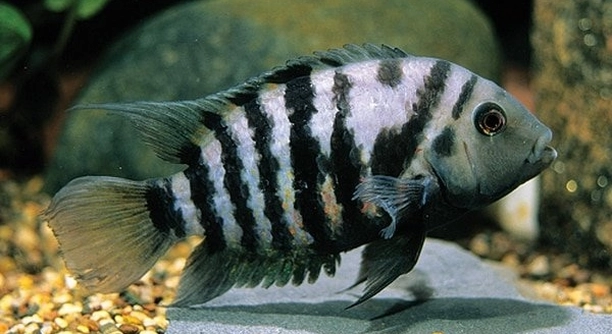
African cichlids are popular aquarium fish known for their vibrant colors and active behavior. Keeping them healthy in groups requires attention to their environment and social needs. Proper care helps maintain their well-being and reduces stress.
Healthy African cichlid groups display stable social structures, proper territory distribution, and consistent water quality. Maintaining balanced nutrition, avoiding overcrowding, and providing hiding spaces are essential habits to support their physical and behavioral health in captivity.
These habits form the foundation for thriving cichlid communities, making it easier to enjoy their natural beauty and dynamic interactions in your aquarium.
Stable Social Hierarchy
African cichlids thrive best when their social structure is clear and stable. In their natural habitat, these fish form hierarchies where dominant and subordinate roles are understood. When kept in an aquarium, it’s important to allow them to establish these roles naturally without frequent disruptions. Introducing too many new fish at once or rearranging the tank layout often can cause stress and aggression. Watching how they interact can help you identify dominant fish and those that need more space. Providing enough room and visual barriers helps reduce conflicts. Keeping a balanced group size also supports a peaceful social order. Consistency in the group’s makeup and environment is key for maintaining harmony. Over time, this stable social hierarchy encourages healthier fish behavior, less stress, and more natural interactions, which benefits their overall well-being and appearance.
Regular monitoring of fish behavior helps keep the group balanced and peaceful.
Maintaining a stable social hierarchy reduces aggression and stress among African cichlids. It promotes natural behaviors, allowing them to live comfortably and maintain their vibrant colors. Providing space and avoiding sudden changes supports a calm aquarium environment.
Consistent Water Quality
Water quality is critical for the health of African cichlid groups. These fish are sensitive to changes in water parameters like pH, temperature, and hardness. Inconsistent water quality can cause stress and illness, affecting their behavior and lifespan. Regular water testing is necessary to monitor these levels and make adjustments when needed. Performing partial water changes frequently helps remove toxins and keeps the environment clean. Using a good filtration system supports stable water conditions by removing waste and excess nutrients. Avoiding overcrowding in the tank prevents rapid water quality deterioration. Keeping the water temperature stable within their preferred range also supports their immune system. Overall, maintaining consistent water quality ensures the fish stay healthy and active, reducing disease risks.
Stable water conditions are essential for keeping African cichlids healthy and stress-free.
Consistent water quality is fundamental for the long-term health of African cichlids. Fluctuations in pH, temperature, or ammonia levels can quickly impact their well-being. Frequent testing and regular water changes help maintain optimal conditions. Using reliable filtration and avoiding overstocking reduces waste buildup. Stable water supports the fish’s immune defenses and encourages natural behavior. Ensuring these conditions minimizes health problems and enhances their vibrant colors. It also makes the aquarium environment more enjoyable to observe. Taking the time to keep water parameters steady is a simple but powerful habit for any cichlid keeper. This care allows the fish to thrive and live longer in captivity.
Balanced Nutrition
Balanced nutrition is essential for healthy African cichlid groups. Proper feeding supports their growth, coloration, and immune system.
A diet tailored to the specific species of cichlids ensures they get the right nutrients. Most African cichlids benefit from a mix of high-quality pellets, flakes, and occasional live or frozen foods like brine shrimp or bloodworms. Avoid overfeeding, which can lead to poor water quality and health problems. Feeding small amounts two to three times daily helps maintain energy levels without excess waste. Including some vegetable matter in their diet supports digestion and overall health.
Providing a varied diet mimics natural feeding habits and prevents nutritional deficiencies. It also encourages natural foraging behavior, which keeps the fish active and less aggressive. Being mindful of their food needs enhances their colors and vitality, making the aquarium more vibrant.
Providing Hiding Spaces
Hiding spaces reduce stress and aggression among African cichlids. Rocks, caves, and plants create safe areas for shy or subordinate fish.
These spaces help break sight lines, reducing territorial fights. Cichlids use hiding spots to rest and recover from social interactions. Arranging the tank with plenty of hiding places mimics their natural environment. It also allows fish to establish territories without constant confrontation. Well-placed shelters improve group stability and lower stress-related illnesses.
When designing hiding spaces, use smooth rocks and sturdy decorations to prevent injuries. Avoid overcrowding the tank with too many decorations, which can limit swimming space. A balanced setup encourages natural behaviors and makes the aquarium more interesting to watch.
Avoid Overcrowding
Overcrowding increases stress and aggression among African cichlids. It also leads to poor water quality and health problems.
Keeping an appropriate number of fish per tank size helps maintain balance. Too many fish compete for space and resources, which disrupts their social structure.
Regular Tank Maintenance
Regular tank maintenance is crucial for healthy cichlid groups. Cleaning the substrate, checking filters, and performing water changes prevent toxin buildup. Removing uneaten food and waste keeps water clear and safe. This care reduces disease risks and supports stable water conditions, essential for the fish’s health and comfort.
Monitor Fish Health
Monitoring fish health helps catch problems early. Look for changes in behavior, appetite, or appearance to prevent serious illness.
FAQ
How many African cichlids can I keep in one tank?
The number of African cichlids depends on the tank size and species. A general guideline is one inch of fish per gallon of water, but cichlids need more space due to their territorial behavior. For example, a 50-gallon tank can comfortably house 10 to 15 medium-sized cichlids if hiding spots and territories are well arranged. Overstocking leads to stress, fights, and poor water quality. It’s better to start with fewer fish and add slowly, observing their behavior.
What is the ideal water temperature for African cichlids?
African cichlids thrive in water temperatures between 75°F and 82°F (24°C–28°C). Keeping the temperature stable within this range supports their metabolism and immune system. Sudden temperature changes can stress the fish and make them more susceptible to disease. Using a reliable aquarium heater and thermometer helps maintain consistent temperature. Adjust the temperature slowly if changes are needed, to avoid shock.
How often should I feed my cichlids?
Feeding two to three times a day in small amounts is ideal. Overfeeding can pollute the water and harm fish health. Offer only what they can eat in about 2–3 minutes each feeding. A varied diet with quality pellets, flakes, and occasional live or frozen foods provides balanced nutrition. Including some vegetable matter supports digestion. Adjust feeding based on fish activity and growth.
Can African cichlids live with other fish species?
Some African cichlids are aggressive and territorial, so tank mates must be chosen carefully. Other species that can handle similar water conditions and temperament may work, but there’s always risk of conflict. It’s safest to keep cichlids with other robust and similarly sized cichlids. Avoid small, peaceful fish that can be bullied or eaten. Monitor interactions closely to ensure peaceful coexistence.
Why are my African cichlids fighting so much?
Fighting often results from overcrowding, lack of hiding spaces, or unclear territories. Cichlids naturally establish dominance, but when the environment is crowded or lacks structure, aggression increases. Providing plenty of hiding places and ensuring enough space can reduce conflicts. Sometimes, removing overly aggressive individuals is necessary. Maintaining a stable social hierarchy minimizes constant fighting.
How do I know if my cichlids are healthy?
Healthy cichlids are active, eat well, and display vibrant colors. They swim confidently without signs of distress like gasping or hiding excessively. Watch for clear eyes, intact fins, and normal breathing. Illness signs include lethargy, loss of appetite, discoloration, or spots on the body. Early detection and treatment improve recovery chances.
What type of filtration is best for African cichlid tanks?
Strong and efficient filtration is important because cichlids produce a lot of waste. Canister filters or powerful hang-on-back filters are good choices. Filters should provide mechanical, biological, and chemical filtration to keep water clean and stable. Regular filter maintenance ensures optimal performance. Good filtration supports water clarity and fish health.
Is it necessary to cycle a new tank before adding cichlids?
Yes, cycling a tank establishes beneficial bacteria that break down toxic ammonia and nitrites. This process usually takes 4 to 6 weeks. Adding fish to an uncycled tank can cause ammonia spikes, which are harmful. Testing water regularly during cycling helps know when it’s safe to introduce cichlids. Patience during this phase ensures a healthier environment.
Can African cichlids change color?
Yes, cichlids can change color due to mood, health, breeding, or environmental factors. Bright, vivid colors usually indicate good health and low stress. Dull or faded colors might signal illness or poor water quality. During breeding, males may show enhanced colors to attract mates or defend territory. Proper care helps maintain their natural beauty.
How often should I do water changes?
Weekly partial water changes of 20–30% are recommended to maintain water quality. This removes excess waste and replenishes minerals. More frequent changes may be needed in heavily stocked tanks. Using dechlorinated water at the right temperature helps avoid stress. Consistent water changes are a simple habit that significantly benefits cichlid health.
Caring for African cichlid groups requires attention to several important habits. Maintaining a stable social hierarchy helps reduce stress and aggression among the fish. It is important to give them enough space and hiding places so they can establish territories without constant fighting. Keeping the tank environment consistent allows them to behave naturally and stay healthy. Watching how they interact regularly helps identify any issues early before they become serious problems. When fish live peacefully together, their colors are brighter and their behavior is more interesting to observe.
Water quality is another key factor in keeping African cichlids healthy. These fish need clean, stable water with the right temperature, pH, and hardness. Regular testing and water changes help maintain these conditions. A good filtration system is necessary to remove waste and keep the water clear. Overcrowding the tank can quickly degrade water quality and increase stress, so it should be avoided. Paying close attention to water parameters ensures the fish have a comfortable environment where their immune systems can function well. Clean water supports their overall well-being and reduces the chance of disease.
Feeding a balanced diet suited to the specific needs of African cichlids is essential. A mix of high-quality pellets, flakes, and occasional live or frozen foods provides the right nutrients. Avoid overfeeding to prevent water pollution and health issues. Providing enough hiding spots and keeping the tank properly maintained also supports their health and happiness. By following these habits—stable social groups, consistent water quality, balanced nutrition, and good tank maintenance—you can enjoy a vibrant, lively aquarium. These steps make it easier for African cichlids to thrive and display their natural beauty over time.

Hello,
If you enjoy the content that we create, please consider saying a "Thank You!" by leaving a tip.
Every little bit helps us continue crafting quality advice that supports the health, happiness, and well-being of pets around the world, for pets of all shapes, sizes, and species.
We really appreciate the kindness and support that you show us!