
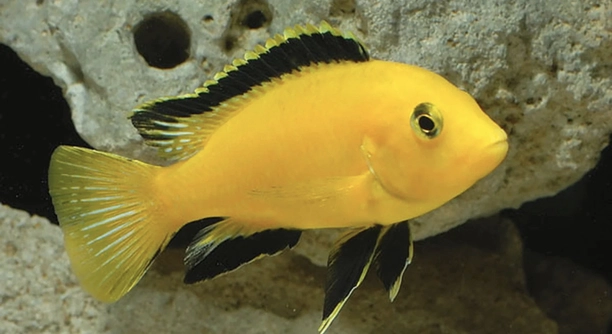
Is your cichlid swimming in circles, upside down, or showing other strange movements that seem out of the ordinary lately?
Unusual cichlid swimming patterns are often caused by swim bladder disorders, poor water quality, stress, parasitic infections, injury, improper diet, or territorial aggression from other fish.
These behaviors may seem small at first, but they can signal bigger issues that deserve careful attention and care.
Swim Bladder Disorders
Swim bladder disorders are one of the most common reasons cichlids start swimming abnormally. The swim bladder is a small internal organ that helps the fish stay balanced in the water. When something affects its function, the fish may float to the top, sink to the bottom, or swim sideways. This issue can be caused by overfeeding, constipation, infections, or injury. If your cichlid is struggling to stay upright or seems to have trouble maintaining its position, it might be dealing with a swim bladder problem. Feeding peas (with the shell removed) can sometimes help if constipation is the cause. However, if symptoms persist, more focused care may be needed. A hospital tank and close monitoring may also help in more serious cases. Keeping the water clean and feeding the right amount daily can help prevent this issue from returning. Prevention often starts with routine and attention to small changes in behavior.
Swim bladder problems don’t always mean something severe, but they should never be ignored.
Early signs like unusual buoyancy or struggling to swim normally should be your first indicator to take action. Recognizing these patterns quickly helps reduce stress and keeps your fish from suffering unnecessarily.
Poor Water Quality
Poor water quality often leads to stress and physical symptoms in cichlids, including erratic swimming behaviors.
When ammonia, nitrites, or nitrates build up in the tank, cichlids can become disoriented, breathe heavily, or dart around in distress. These chemicals affect the fish’s ability to breathe and regulate its internal systems, leading to signs like clamped fins or rubbing against objects. A lack of regular water changes, leftover food, overcrowding, or a broken filter can all contribute to poor conditions. Testing your tank water regularly is one of the simplest ways to catch imbalances before they become serious. Investing in a reliable water test kit and using it weekly helps you track changes and fix them quickly. If your fish is swimming in a panicked or lethargic way, test immediately. A 25-50% water change can help stabilize conditions while you work on identifying the source. Clean water supports better behavior, stronger immunity, and an overall healthier aquarium.
Stress and Environmental Changes
Stress can cause cichlids to swim erratically, hide, or display jerky movements. Changes in lighting, loud sounds, sudden tank rearrangements, or adding new fish may trigger this kind of response.
Cichlids are sensitive to their surroundings. Even a minor shift in the tank’s layout can confuse them or make them feel unsafe. Overcrowding is another common stressor, especially in smaller tanks where territorial fish have less room to establish boundaries. If your fish are bumping into each other, constantly chasing, or staying in corners, space might be a factor. Try to reduce sudden environmental changes. If you need to rearrange the tank, do it gradually. Keep lighting on a regular schedule and avoid tapping the glass. Observing their body language helps identify signs of tension early. Less stress often leads to more relaxed and natural swimming behavior.
If your cichlid is stressed, it may also show faded color, rapid breathing, or a lack of appetite. These signs can go hand in hand with unusual swimming. Noise from nearby televisions, children, or frequent movement outside the tank may also overwhelm them. Give them time to adjust when changes are made. Try to create a calm and consistent setting to help your fish feel more secure and relaxed.
Parasitic Infections
Parasitic infections can lead to odd swimming behavior, especially if they affect the fish’s nervous system or gills. You may also notice scratching, flashing, or changes in appetite and color during this time.
Parasites like flukes, ich, or internal worms can cause your cichlid to act differently. Flukes often attack the gills, making it harder for the fish to breathe, which leads to erratic movement. Internal parasites may cause weight loss, bloating, or a stringy white stool. These infections often come from live food, new fish, or contaminated plants. It’s best to quarantine new additions before adding them to your main tank. If your fish shows signs of parasites, treatment options like aquarium salt or anti-parasitic medications are available at pet stores. Act quickly, as infections can spread. Keeping a clean tank and being careful with new items helps reduce the risk of outbreaks and helps protect your fish long-term.
Injury
An injured cichlid may swim in a lopsided or shaky way. This can happen after a fight with another fish, bumping into decorations, or scraping against sharp tank edges.
Injuries might also lead to swelling, torn fins, or difficulty staying balanced. Watch closely for signs of physical damage.
Improper Diet
Feeding your cichlid the wrong type of food can lead to bloating, constipation, or poor nutrition. This can cause odd swimming behaviors, such as floating, sinking, or swimming sideways. Many cichlids need a diet that includes both protein and plant matter. Overfeeding can make things worse, especially with dry or low-quality pellets. Try feeding smaller portions and offer fresh or frozen food occasionally. If you notice your fish acting off after meals, you may need to adjust what or how often you feed them. A better diet not only improves behavior but also helps with energy, color, and overall health.
Territorial Aggression
Cichlids are territorial and may swim aggressively when defending their space. Chasing, nipping, or circling are all common signs. Adding more hiding spots or rearranging the tank can reduce tension.
FAQ
Why is my cichlid swimming upside down?
Swimming upside down is usually a sign of a swim bladder issue. This organ helps your fish stay balanced. When it’s not working right, your cichlid may float, sink, or tilt to one side. Causes can include constipation, infection, or injury. If the issue starts suddenly, think back to recent changes like overfeeding or introducing new tank mates. Try offering a shelled green pea (boiled and softened), and reduce feeding for a day or two. If the behavior doesn’t improve, it’s a good idea to isolate the fish and observe other symptoms like bloating or loss of appetite.
What does it mean when my cichlid twitches or shakes?
Twitching, shaking, or jerky movements could be stress, poor water quality, or early signs of a parasite. If your fish looks uncomfortable or rubs against objects, it may be trying to relieve irritation. Test your water parameters first—check ammonia, nitrite, nitrate, and pH levels. If those are fine, consider recent tank changes or aggression from other fish. If no external injuries are visible and twitching continues, a salt bath or mild medication may help. Always remove carbon filters during treatment to avoid neutralizing the medication. Clean water and stable tank conditions usually lead to noticeable improvement.
Can tank mates cause unusual swimming behavior?
Yes, aggressive tank mates can lead to erratic swimming. Cichlids are territorial, and if space is limited, they may chase or be chased, leading to stress and injury. Watch for signs of bullying like frayed fins, hiding, or rapid swimming across the tank. Adding hiding spots or rearranging the tank decor can help reduce aggression by disrupting territory lines. Sometimes, separating the aggressor is necessary. Make sure your tank is large enough and that all fish have enough room to swim comfortably. Avoid housing highly aggressive and timid species together, especially in smaller tanks.
Why is my cichlid staying at the bottom of the tank?
Staying near the bottom can be normal at times, but if it’s constant, it may mean your fish is stressed, sick, or injured. Check for signs of clamped fins, labored breathing, or discoloration. Poor water quality or a sudden temperature drop can also lead to this behavior. Ensure the filter is working well, and perform a water test. If your fish is still eating and reacting to its surroundings, observe it closely for changes. If it becomes lethargic, stops eating, or isolates itself, it may need to be moved to a hospital tank for treatment.
How do I know if my cichlid has a parasite?
Parasites often show up through signs like flashing (rubbing against things), white stringy poop, rapid breathing, or weight loss despite eating. Gill flukes and internal worms are common in cichlids. If you notice any of these symptoms, isolate the fish if possible and begin treatment with an anti-parasitic medication. Follow the dosing directions carefully and remove activated carbon from your filter during treatment. Keep up with partial water changes and monitor all fish in the tank for similar signs. Quarantining new fish before adding them to your tank is the best way to avoid spreading parasites.
Should I be worried if my cichlid swims in circles?
Swimming in circles can be playful, but it may also suggest stress, neurological issues, or a reaction to poor water conditions. If it’s happening constantly or alongside other symptoms, you should take action. Start by checking the water quality. Make sure the filter is working and the temperature is stable. If there are no clear signs of illness or aggression from other fish, try observing your cichlid during feeding and resting. If the behavior continues, it might be best to consult with a vet who specializes in fish, especially if the fish begins to lose control of movement.
How often should I test my aquarium water?
It’s a good idea to test your tank water once a week. This helps you keep an eye on ammonia, nitrite, nitrate, and pH levels. If you notice strange behavior like unusual swimming or gasping at the surface, test the water right away. Major water changes, new decorations, or filter changes can all shift the balance. Use a liquid test kit instead of test strips for more accurate results. Keeping a log of your water parameters can help you catch patterns and prevent future problems. Stable water conditions play a big role in your cichlid’s behavior and health.
Final Thoughts
Unusual swimming patterns in cichlids can be caused by many different things, and each one needs attention. It’s not always a sign of something serious, but it’s important to pay close attention when your fish starts acting differently. Things like swim bladder issues, stress, poor water quality, parasites, or diet problems can all lead to odd behavior. Sometimes, a simple water test or a small change in feeding can help. Other times, it might take a bit more effort to find the cause. Either way, early observation makes a big difference in helping your fish feel better and stay healthy.
Keeping a clean, stable environment is one of the best ways to prevent swimming issues. Regular water changes, using a good filter, and not overcrowding the tank all support your cichlid’s health. Feeding the right food in the right amounts is also important. Some cichlids need more plant matter, while others may need more protein. Watching how they act during and after feeding gives you useful clues. Even tank layout matters—providing enough hiding spots and open swimming areas helps reduce stress and gives each fish its own space. These small steps go a long way in keeping your fish active and comfortable.
Every cichlid is different, so learning what is normal for your fish helps you notice problems early. If you see signs like staying at the bottom, swimming sideways, twitching, or floating oddly, don’t ignore them. Act calmly, check the basics first, and go from there. Keeping track of changes in their behavior, diet, or appearance can help you figure things out quicker. And remember, it’s okay if you don’t have the answer right away. Most problems can be improved with time, attention, and care. By staying consistent and keeping a close eye on your cichlid’s health, you’re giving them the best chance to thrive in their tank.

Hello,
If you enjoy the content that we create, please consider saying a "Thank You!" by leaving a tip.
Every little bit helps us continue crafting quality advice that supports the health, happiness, and well-being of pets around the world, for pets of all shapes, sizes, and species.
We really appreciate the kindness and support that you show us!