
Cichlids are popular aquarium fish known for their interesting behaviors. One important aspect of their life cycle is egg laying. Recognizing when a cichlid is about to lay eggs helps ensure a safe and healthy environment for the fish.
Cichlids show specific physical and behavioral signs before laying eggs. These include increased color intensity, nest-building activity, territorial behavior, and changes in swimming patterns. Observing these signs carefully allows aquarists to anticipate spawning events accurately.
Knowing these signs can help maintain the right conditions for your cichlids’ breeding success and promote their wellbeing. This guide explains the common ways to tell when egg laying is imminent.
Color Changes Indicate Readiness
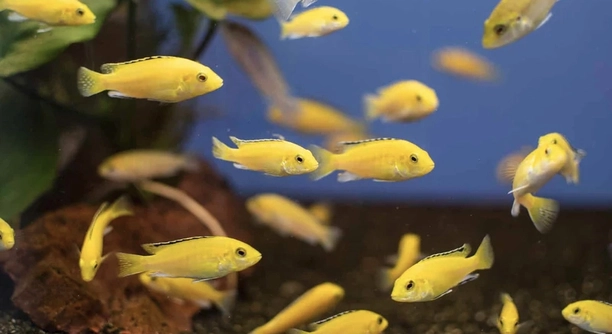
When a cichlid is preparing to lay eggs, one of the clearest signs is a change in color. The fish’s body often becomes brighter or more vibrant, especially around the head and fins. This color shift signals readiness to spawn and helps attract mates. It also serves as a warning to other fish to keep their distance, protecting the nesting site. Observing these color changes can give you an early indication that egg laying is near. Different species show varying intensity and locations of color change, so it helps to know the specifics of your cichlid type. Noticing this subtle transformation can make a big difference in caring for your fish during breeding.
Bright colors in cichlids are natural signals linked to reproduction and readiness to spawn.
Understanding color changes supports better timing for creating a safe breeding environment, reducing stress for your fish.
Nest-Building Behavior
Nest building is a vital behavior displayed before egg laying. Cichlids often clear a flat surface or dig a small pit in the substrate to prepare a secure place for their eggs. This can involve moving small rocks, cleaning a leaf, or creating a depression in the gravel. The effort is focused and persistent, showing the fish’s dedication to protecting the eggs. Watching your cichlid engage in this activity means spawning is close. It’s important to avoid disturbing the tank during this time, as interruptions can cause stress or lead to abandonment of the nest. Providing enough space and suitable materials encourages natural nest-building behavior and successful breeding.
Careful observation of nest-building can help prevent mistakes and improve breeding outcomes.
Increased Territorial Behavior
Cichlids become more territorial as egg laying approaches. They often guard their chosen nesting area aggressively, chasing away intruders and showing protective behavior.
This change is driven by the instinct to protect future offspring. Territorial displays include flaring fins, head bobbing, and loud clicking sounds. These actions warn other fish to stay away. The fish might patrol the boundaries of its space more frequently and become less tolerant of nearby tank mates. Understanding this behavior helps prevent unnecessary stress or conflicts within the tank. Keeping a close eye on territorial changes allows timely adjustments, such as separating aggressive fish or providing extra hiding spots for others.
Territoriality serves as a natural defense mechanism ensuring the safety of eggs and young cichlids. Respecting this behavior supports a peaceful tank environment and successful breeding.
Changes in Swimming Patterns
Cichlids tend to alter their swimming habits before laying eggs. They may swim slower, stay closer to the nesting site, or move in a more deliberate manner.
This slower, purposeful movement helps protect the nest and monitor potential threats. The fish might also make short, repeated trips back and forth to tend to the nest area, ensuring it stays clean and safe for the eggs. Such focused swimming behavior shows that the fish is preparing for a critical stage in its reproductive cycle. Observing these changes provides valuable insight into the fish’s readiness. It also signals when to reduce disturbances or tank maintenance to avoid disrupting this delicate phase. Paying attention to swimming patterns helps foster a supportive breeding environment.
Increased Cleaning Activity
Cichlids clean the chosen spawning site more frequently before laying eggs. This ensures the surface is free of debris and safe for the eggs.
This behavior includes rubbing their bodies against rocks or substrate and picking at surfaces. Cleaning reduces the risk of fungus and bacteria affecting the eggs after they are laid.
Changes in Appetite
Many cichlids eat less or stop eating altogether as egg laying approaches. This reduction in appetite is part of their natural reproductive cycle and helps conserve energy.
Body Swelling and Shape Changes
Female cichlids often show a noticeable swelling in the abdomen as eggs develop. This rounded shape becomes more pronounced closer to the spawning time. It’s a clear physical sign of readiness to lay eggs.
Guarding Behavior
After egg laying nears, cichlids begin guarding the nest more actively. They stay close and remain alert to protect their future offspring from threats.
FAQ
How can I tell if my cichlid is ready to lay eggs?
Cichlids show several signs before laying eggs. Watch for brighter colors, increased territorial behavior, nest-building activities, and changes in swimming patterns. Females often have swollen abdomens, and both parents may clean the spawning site frequently. These behaviors indicate they are preparing to spawn soon.
Is it normal for cichlids to become aggressive before laying eggs?
Yes, increased aggression is common. They become territorial to protect the chosen nesting area. This behavior includes chasing other fish, flaring fins, and making warning sounds. It helps ensure the safety of their eggs and future fry. Managing tank space and minimizing stress can reduce conflicts.
Should I change my cichlid’s diet when they are about to lay eggs?
While some cichlids may eat less before laying eggs, providing high-quality, nutritious food supports their health and energy needs. Foods rich in protein, such as bloodworms or brine shrimp, can be offered to prepare them for breeding. Avoid overfeeding, as appetite may naturally decrease.
How long before egg laying do these signs usually appear?
Signs such as color changes, nest building, and behavioral shifts often appear a few days to a week before egg laying. The timing varies with species and individual fish but monitoring these indicators helps predict spawning with reasonable accuracy.
Can I disturb my cichlids during this time?
Minimizing disturbances during the pre-spawning period is important. Excessive tank maintenance or moving decorations can stress the fish, potentially causing them to abandon the nest. Providing a quiet environment supports successful breeding and reduces risks.
What should I do if my cichlids are too aggressive?
If aggression escalates, consider separating the fish temporarily or providing more hiding spots for less dominant tank mates. Increasing the tank size or rearranging decorations may help reduce territorial disputes and protect weaker fish.
Do all cichlid species show the same signs before laying eggs?
Most cichlids display similar behaviors such as color changes and nest building, but intensity and specific actions can differ by species. Learning about your particular species helps in recognizing subtle signs and preparing the tank accordingly.
How can I create the ideal environment for egg laying?
Providing clean water, suitable substrates, and safe hiding places encourages natural breeding behavior. Stable water parameters and a peaceful tank environment reduce stress. Some cichlids prefer flat rocks or broad leaves for laying eggs, so offering those can promote spawning.
When should I separate the fry from the adults?
Depending on the species, fry may need separation once they become free-swimming to prevent predation. In some cases, parents guard the fry well, but in others, separating is safer. Research your cichlid species’ breeding habits to decide the best timing.
Can environmental changes trigger spawning?
Yes, slight adjustments in temperature, lighting, or water chemistry can stimulate breeding behavior. Gradually increasing temperature or simulating rainy season conditions may encourage spawning. Care should be taken to avoid sudden or extreme changes that could stress the fish.
What are common problems during cichlid egg laying?
Problems include eggs being eaten by adults or other fish, fungal infections, or failure to fertilize. Poor water quality or stress can also impact success. Observing behavior and maintaining good tank conditions help prevent these issues.
How long does it take for cichlid eggs to hatch?
The incubation period varies but typically ranges from two to seven days, depending on the species and water temperature. Warmer water generally speeds up development. Parents usually continue to guard and care for the eggs during this time.
What signs indicate eggs are healthy?
Healthy eggs appear clear or slightly yellowish and remain firmly attached to the spawning surface. They should not become fuzzy or discolored, which indicates fungal growth or death. Parental care often involves fanning the eggs to keep them clean and oxygenated.
Can I breed cichlids in a community tank?
Breeding in a community tank can be challenging due to the risk of egg predation and stress from other fish. It’s often better to use a separate breeding tank where conditions can be controlled and parents can protect their eggs without interference.
How do I know when the fry are free-swimming?
Fry usually become free-swimming a few days after hatching when they start exploring away from the nest. At this stage, they need small, nutritious food like infusoria or specially prepared fry food. Parents may continue guarding or guiding them depending on the species.
What is the role of both parents in egg care?
In many cichlid species, both parents share responsibilities such as cleaning the eggs, guarding the nest, and fending off threats. This cooperative behavior increases the chances of fry survival. Observing the pair’s interaction helps understand their breeding dynamics.
Final Thoughts
Recognizing when a cichlid is about to lay eggs is important for anyone who keeps these fish. Observing signs like color changes, nest-building, and changes in behavior helps you prepare the tank environment. This preparation ensures that the fish have a safe and stress-free space for breeding. Creating the right conditions supports the health of both the parents and their future fry. It also increases the chances of successful spawning, which is rewarding for those who care for cichlids.
Paying close attention to these signs also helps prevent problems. When cichlids become territorial or aggressive, knowing it is part of their natural breeding behavior allows you to manage the tank better. This may include adding hiding spots or separating more aggressive individuals to protect other fish. Likewise, understanding changes in swimming patterns or appetite gives clues about what your fish need during this sensitive time. By responding thoughtfully, you can reduce stress and encourage a healthy breeding process.
Taking care during the egg-laying phase means more than just watching for signs. It involves maintaining good water quality, providing proper nutrition, and minimizing disturbances. Each step plays a role in supporting your cichlids through this important stage of their life. With patience and care, you can enjoy watching the full cycle of breeding and raising young fish. Knowing how to spot these early signs prepares you for a successful and fulfilling experience with your cichlids.

Hello,
If you enjoy the content that we create, please consider saying a "Thank You!" by leaving a tip.
Every little bit helps us continue crafting quality advice that supports the health, happiness, and well-being of pets around the world, for pets of all shapes, sizes, and species.
We really appreciate the kindness and support that you show us!