
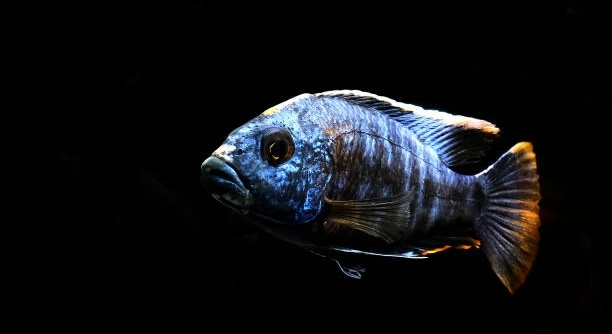
African cichlids are popular aquarium fish known for their vibrant colors and interesting behaviors. Many hobbyists enjoy keeping them and often want to understand their breeding habits. Breeding cichlids can sometimes be tricky, especially when it comes to the role of cavities in their environment.
African cichlids typically require cavities or caves to breed successfully, as these spaces provide shelter for egg laying and protection for the fry. Without cavities, breeding chances are significantly reduced due to lack of suitable nesting sites and security.
Knowing how these fish breed without cavities helps aquarists create better environments. The following information will guide you through the important factors affecting their reproduction and how to support breeding in various setups.
Why Cavities Matter for African Cichlid Breeding
Cavities are essential for many African cichlid species during breeding. These fish often prefer to lay eggs in sheltered, enclosed spaces that provide safety from predators and reduce stress. Cavities mimic natural environments, such as rocky crevices or small caves found in their native habitats. Without these, cichlids may struggle to find suitable spots for egg laying, which affects their willingness to breed. In aquariums, cavities also protect the eggs and fry from other fish, increasing their chances of survival. Providing these spaces creates a secure environment that encourages breeding behavior. The absence of cavities can lead to increased aggression or stress among breeding pairs, further reducing reproductive success. Understanding the role of cavities helps in designing aquariums that support healthy breeding cycles for these fish.
Cavities offer protection and comfort during breeding, making them a key factor in successful reproduction for African cichlids.
Creating a breeding environment with proper cavities supports natural behaviors and improves survival rates of the young. It is important to select the right type and size of cavities for different species to maximize breeding success.
Alternative Breeding Methods Without Cavities
Some African cichlid species can adapt to breeding without traditional cavities, though this is less common. Mouthbrooding species, for example, carry their eggs and fry in their mouths instead of laying them in caves. This behavior reduces the need for cavities since protection is provided by the parent. In these cases, open spaces in the aquarium are more important to allow comfortable swimming and feeding. However, even mouthbrooders benefit from having some hiding spots to reduce stress during breeding periods. For non-mouthbrooding species, breeding without cavities is rare and often less successful. Breeders sometimes use artificial structures or plants to substitute natural cavities. Providing proper conditions, such as water quality and temperature, is also critical to support breeding in the absence of caves.
While cavities are often necessary, some species rely on different strategies to reproduce successfully. Adjusting aquarium setups to species-specific needs can help encourage breeding, even when natural cavities are unavailable.
Providing Suitable Alternatives to Cavities
Some aquarists use artificial caves, ceramic pots, or PVC pipes as alternatives to natural cavities. These substitutes offer secure spots for egg laying and fry protection, encouraging breeding even when natural rocks or caves are unavailable. Placement and size matter for these alternatives.
Choosing the right alternative involves considering the size of the fish and their natural preferences. Small caves or pipes should be large enough for the breeding pair but tight enough to create a sense of security. Smooth surfaces help prevent injury to eggs and fry. It is also important to arrange these structures in stable positions to avoid shifting during tank cleaning or fish movement. Proper lighting and minimal disturbances further encourage fish to use these alternative breeding sites.
Artificial cavities must replicate natural conditions to be effective. Testing different shapes and materials can help identify what works best for specific cichlid species. Observation is key to adjusting the environment and improving breeding outcomes.
Environmental Factors Influencing Breeding Success
Water quality is crucial for breeding African cichlids. Stable parameters such as temperature, pH, and hardness create optimal conditions for reproduction. Sudden changes can stress fish and halt breeding behavior. Maintaining clean water and regular partial water changes reduce toxins that could harm eggs or fry.
Proper diet plays an important role in breeding readiness. Providing a balanced diet rich in protein supports the health of breeding pairs. Live or frozen foods can stimulate spawning behavior. Additionally, controlling light cycles to mimic natural day and night periods helps regulate hormonal changes related to reproduction. Ensuring the aquarium is free from aggressive tank mates reduces stress and increases the likelihood of successful breeding.
Together, these environmental factors form the foundation for healthy, consistent breeding. Careful attention to water and feeding conditions maximizes the chances of producing strong, viable offspring.
Recognizing Breeding Behavior Without Cavities
Breeding behavior in African cichlids can still be observed without cavities. Look for increased territoriality, chasing, and courtship displays. These signs indicate readiness to spawn despite the absence of traditional nesting sites.
Mouthbrooding species may show more frequent mouth movements and protective behaviors. Observing these behaviors helps identify breeding attempts and allows for timely care adjustments to support reproduction.
Common Challenges in Breeding Without Cavities
Breeding without cavities often leads to increased aggression and stress among cichlids. Lack of secure nesting sites causes competition and fights, which can harm both adults and fry. Stress reduces the likelihood of successful spawning and survival.
Tank overcrowding and inadequate hiding spaces worsen these issues. Monitoring fish interactions and adjusting population density is important to minimize conflict. Providing alternative shelters and maintaining excellent water conditions can help ease stress and improve breeding outcomes in such setups.
Monitoring Fry Development
Close observation of fry development is important, especially when cavities are absent. Fry may be more exposed to predators and require extra care during early stages to ensure survival.
Providing gentle filtration and appropriate feeding supports healthy growth. Watching their progress helps identify problems early, increasing survival chances.
Feeding Fry Without Cavities
Fry need frequent feeding with small, nutritious foods to grow strong. Without cavities, feeding becomes more critical as fry are more exposed and vulnerable.
Using finely crushed flakes or specialized fry food ensures they get enough nutrients for development.
Can African cichlids breed without cavities?
African cichlids usually need cavities or caves to breed successfully. These spaces offer protection for eggs and fry, which is vital for their survival. Some species, especially mouthbrooders, can reproduce without cavities by carrying eggs in their mouths. However, most non-mouthbrooding species rely heavily on cavities for spawning and raising young.
What types of cavities work best for breeding African cichlids?
Natural rock crevices and caves closely mimic their wild environment and are preferred. If natural options are unavailable, artificial caves made of ceramic, PVC, or clay pots can be used. The cavity should be large enough for the breeding pair but small enough to provide security. Smooth surfaces inside prevent egg damage, and stable placement is important to avoid shifting.
Are there alternatives to cavities for breeding African cichlids?
Mouthbrooding cichlids can breed without traditional cavities since they protect their eggs in their mouths. For other species, artificial shelters or dense plants might encourage spawning but rarely replace natural cavities completely. Successful breeding without cavities requires careful management of other factors like water quality, diet, and tank setup.
How does water quality affect cichlid breeding?
Stable water parameters, including temperature, pH, and hardness, are essential for breeding. Sudden changes cause stress, which reduces spawning chances. Regular water changes and good filtration maintain cleanliness and reduce harmful toxins. Ideal water quality supports healthy eggs and fry development.
What feeding practices support successful breeding?
A protein-rich diet promotes reproductive health. Live or frozen foods like brine shrimp or bloodworms stimulate spawning behavior. Balanced feeding keeps breeding pairs in good condition, increasing their willingness to spawn and improving fry survival rates.
Can stress prevent breeding in African cichlids?
Yes, stress is a common reason for breeding failure. Lack of secure spaces like cavities, overcrowding, or aggressive tank mates can cause stress. Stress weakens fish immune systems and suppresses breeding behavior. Reducing stress by providing proper shelters, managing tank population, and maintaining good water quality is crucial.
How can you tell when African cichlids are ready to breed?
Signs include increased territorial behavior, chasing, color changes, and courtship displays. Males often become more vibrant and aggressive while guarding potential nesting sites. Females may show readiness by digging or cleaning cavities. Mouthbrooders show mouth movements related to egg care.
What role do cavities play in fry protection?
Cavities shield eggs and fry from predators and harsh environmental conditions. They reduce exposure to aggressive tank mates and strong currents. Fry inside cavities have higher survival rates as they are less likely to be eaten or injured during early development stages.
Is it possible to breed African cichlids in tanks without hiding spaces at all?
Breeding is possible but much less likely to succeed. Without hiding places, eggs and fry are vulnerable to attacks, and fish may become too stressed to spawn. Some mouthbrooders may still reproduce, but the overall survival rate will be low. Adding even simple shelters greatly improves results.
How often should fry be fed in breeding tanks without cavities?
Fry need frequent, small feedings throughout the day because they have high nutritional needs and little room to hide and compete for food. Offering finely crushed flakes, powdered fry food, or live infusoria ensures proper growth and development.
What are common mistakes that reduce breeding success without cavities?
Mistakes include overcrowding, poor water quality, inadequate feeding, and lack of suitable shelter. Ignoring territorial behaviors and aggression can lead to stress and injury. Not monitoring fish closely to intervene early also decreases breeding chances.
How can aquarium setup improve breeding without natural cavities?
Use artificial caves, PVC pipes, or clay pots as substitutes. Provide plenty of hiding spots and ensure stable water conditions. Keep tank population balanced and avoid aggressive species. Regularly observe fish behavior to adjust the environment as needed.
Can light cycles influence African cichlid breeding?
Yes, simulating natural light cycles helps regulate reproductive hormones. About 10-12 hours of light followed by darkness supports breeding readiness. Sudden changes in lighting may stress fish and delay spawning.
What should be done if aggression increases during breeding without cavities?
Reducing tank population or separating aggressive fish can help. Adding more hiding spaces or rearranging tank decor reduces territorial disputes. Keeping water quality high and feeding well also lowers stress-induced aggression.
Is it necessary to separate fry from adults in tanks without cavities?
Separating fry improves survival because adults may eat the young, especially when hiding spots are limited. Using breeder boxes or separate rearing tanks ensures fry get adequate food and protection.
How long does it take for African cichlid fry to grow in tanks without cavities?
Fry typically grow faster in secure environments. Without cavities, growth may be slower due to higher stress and food competition. Proper care and feeding can help maintain normal growth rates despite the lack of natural shelter.
African cichlids are fascinating fish that often rely on cavities or caves for breeding. These spaces provide the necessary protection for their eggs and fry, creating a safe environment that encourages natural reproductive behavior. While some species, like mouthbrooders, can reproduce without traditional cavities by carrying their eggs in their mouths, most African cichlids benefit greatly from having secure nesting sites. Without these, breeding can become difficult, and the survival rate of young fish often decreases. Providing suitable cavities or alternatives in the aquarium helps mimic their natural habitat and supports healthier breeding outcomes.
Even when natural cavities are not available, aquarists can create artificial shelters to support breeding. Items like ceramic pots, PVC pipes, and specially designed aquarium caves offer good substitutes. These alternatives need to be carefully chosen and positioned to suit the specific needs of the cichlid species kept. Alongside suitable shelters, maintaining optimal water quality, a balanced diet, and proper tank conditions plays an important role in encouraging breeding. Stress reduction through managing tank population and providing hiding spots is equally vital. Paying attention to these details improves the chances of successful reproduction, even in less-than-ideal environments.
Understanding the breeding requirements of African cichlids allows for better care and more rewarding aquarium experiences. Breeding without cavities is not impossible, but it demands careful planning and close observation of fish behavior. Adjustments to the tank setup and environment can make a significant difference in breeding success. Whether using natural or artificial cavities, the goal remains the same—to provide a safe, comfortable space for cichlids to reproduce and raise their young. Taking the time to create these conditions benefits both the fish and the keeper, ensuring healthier fish populations and a more enjoyable aquarium.

Hello,
If you enjoy the content that we create, please consider saying a "Thank You!" by leaving a tip.
Every little bit helps us continue crafting quality advice that supports the health, happiness, and well-being of pets around the world, for pets of all shapes, sizes, and species.
We really appreciate the kindness and support that you show us!