
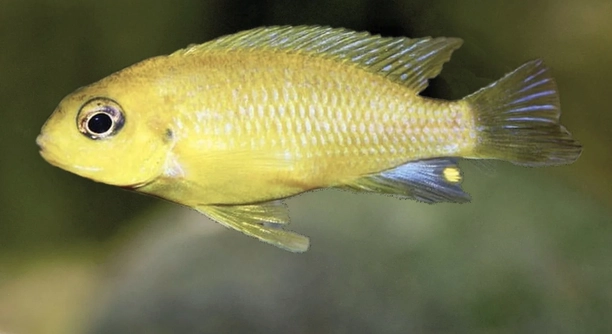
African cichlids are colorful fish that need the right environment to thrive. Proper lighting plays an important role in keeping their colors bright and their behavior natural. This article will help you understand how to create the best lighting for these beautiful fish.
Maintaining natural lighting for African cichlids involves replicating their native habitat’s light conditions. This includes using full-spectrum lighting with appropriate intensity and duration to support their biological rhythms and enhance their vibrant colors without causing stress.
Knowing how to balance light can improve your cichlids’ health and appearance. The following guide explains simple steps to achieve natural lighting in your aquarium.
Understanding Natural Light for African Cichlids
Natural light for African cichlids means mimicking the sunlight they experience in their native lakes. These fish come from environments where light changes gradually throughout the day. Too much or too little light can affect their health and color. The right light helps regulate their daily activities, feeding, and breeding behaviors. It also supports the growth of beneficial algae and plants in the tank. Using lights that provide a full spectrum, similar to natural sunlight, is key. This helps the cichlids show their best colors and stay active. Avoid harsh or overly bright lights that can cause stress or fading. A timer can be used to control how long the lights stay on, usually about 8 to 10 hours per day. This creates a stable routine that feels natural to the fish and encourages healthy behavior.
Choosing the right light means matching intensity and color temperature to the cichlids’ needs, replicating their natural habitat closely.
Proper lighting helps your fish stay healthy and display their true colors, which can make your aquarium more vibrant and enjoyable.
Choosing the Best Lighting Equipment
Selecting lighting equipment depends on your aquarium size and the type of cichlids you keep. LED lights are popular because they are energy-efficient and produce less heat. They also offer adjustable settings for brightness and color spectrum. Some LED systems allow you to simulate sunrise and sunset, creating a more natural environment. Fluorescent lights can work too but usually lack the flexibility of LEDs. Avoid incandescent bulbs, as they can overheat the tank and do not provide the right light spectrum. It’s important to pick lights that cover the whole tank evenly. Uneven lighting can lead to some fish hiding or developing stress. Always check the specifications for intensity and spectrum before purchasing. Using a timer with your lighting equipment ensures a consistent day-night cycle, which is important for the cichlids’ wellbeing.
Different types of lighting have specific benefits, but LEDs offer the best control and efficiency for most setups.
A well-chosen lighting system will support your fish’s natural rhythms, help plants grow, and keep your aquarium looking lively and balanced.
Setting the Right Light Duration
African cichlids thrive best with about 8 to 10 hours of light each day. Too much light can cause stress and algae overgrowth, while too little can affect their natural behaviors and color. Using a timer helps maintain a consistent schedule for the fish.
Consistent lighting schedules support the fish’s natural rhythms, improving their health and mood. It also helps plants and beneficial algae grow steadily without taking over the tank. Sudden changes in light duration can confuse the fish and cause unwanted behavior, so gradual adjustments are better. If your aquarium is near a window, be mindful of extra sunlight, which can extend the light period unexpectedly.
Light duration should match the natural day length as closely as possible. This stability helps keep the cichlids comfortable and active, showing off their colors fully.
Avoiding Harsh Lighting Effects
Harsh lighting can cause cichlids to hide or lose color vibrancy. Using softer, diffused light reduces glare and stress. Position lights to cover the tank evenly, avoiding bright spots or deep shadows.
To soften lighting, you can use a diffuser or place lights farther from the water surface. Adjusting brightness to a moderate level prevents the fish from becoming startled. Some aquarists add floating plants to filter light naturally. Bright, direct light may also encourage unwanted algae blooms that compete with plants and reduce water quality. Balanced light intensity creates a more natural and calming environment for the fish, promoting natural behaviors like exploring and feeding openly. This approach supports the long-term wellbeing of your cichlids and maintains a pleasing aquarium display.
Using Natural Daylight Carefully
Natural daylight can help create a realistic environment but should be controlled to avoid overheating or algae growth. Limit direct sunlight to short periods, especially during peak hours. Use curtains or blinds to soften the light entering the room.
Too much natural light can increase water temperature and promote algae. Combining natural and artificial light often works best for balance.
Monitoring Light Impact on Behavior
Watch your cichlids for signs of stress, such as hiding or dull colors. Adjust lighting if you notice negative effects. Healthy fish are active, colorful, and interact with their environment.
Regular observation helps maintain the right light balance for your tank.
Adjusting Light for Plant Growth
Plants need light but too much can harm fish. Choose a lighting setup that supports plant health without overwhelming the cichlids.
Balancing plant and fish needs ensures a healthy, natural tank environment.
FAQ
How long should I keep the lights on for African cichlids?
African cichlids usually need 8 to 10 hours of light daily. This amount mimics their natural environment and supports their biological rhythms. Using a timer ensures the light cycle stays consistent, which helps reduce stress and encourages normal behavior.
What type of lighting is best for African cichlids?
Full-spectrum LED lights are often the best choice. They provide a range of light similar to natural sunlight and allow control over brightness and color temperature. LED lights are energy-efficient, produce little heat, and can be adjusted to suit the needs of your aquarium.
Can natural sunlight be used instead of artificial lights?
Natural sunlight can be used but only in small amounts. Too much direct sunlight can increase water temperature and promote algae growth. It’s best to combine natural daylight with controlled artificial lighting for balance.
What happens if the lighting is too bright?
Bright lighting can stress cichlids, causing them to hide or lose color vibrancy. It may also encourage unwanted algae growth. Softer, diffused light helps keep fish calm and active, improving their overall health.
Is it necessary to use a timer for aquarium lighting?
Yes, a timer is highly recommended. It keeps the light schedule consistent, which helps fish follow natural day and night cycles. This consistency supports healthy feeding, breeding, and resting behaviors.
How can I reduce algae growth caused by lighting?
Limit light duration to about 8-10 hours and avoid excessive brightness. Adding live plants can help compete with algae for nutrients. Regular tank maintenance and careful control of lighting intensity also reduce algae problems.
Should I adjust lighting based on the season?
If possible, yes. Mimicking seasonal changes in light length can improve fish health and breeding cycles. Gradually changing light duration between longer summer days and shorter winter days is beneficial.
Can too little light harm African cichlids?
Insufficient light can disrupt their natural behavior and dull their colors. It can also affect plant growth, which some cichlids rely on for shelter and food. Maintaining a balanced light period is essential.
How does lighting affect plant growth in a cichlid tank?
Plants need enough light for photosynthesis, but too much light can stress fish. Choose lights that support plants without overpowering the tank. Balancing both helps create a healthy, natural environment.
What signs show my cichlids are stressed from lighting?
Stress from lighting may cause fish to hide frequently, lose their bright colors, or act less actively. Watch for these signs and adjust lighting to a softer, more natural level.
Are there special lighting needs for breeding cichlids?
Yes, some breeders lower light intensity and shorten duration to encourage spawning. A calm, less intense environment mimics natural breeding conditions and reduces stress during this time.
Can I use colored lights for African cichlids?
Colored lights are generally not recommended as the main light source. They may affect fish behavior and mask natural colors. However, low-intensity accent lighting can be used occasionally for aesthetic purposes.
How do I position lights over my aquarium?
Place lights evenly across the tank to avoid bright spots or shadows. This creates a uniform environment where all fish can feel comfortable and reduces stress.
Is there a risk of overheating the tank from lighting?
Yes, especially with incandescent or poorly ventilated lights. LED lights reduce this risk. Always monitor water temperature to prevent overheating caused by lighting.
How often should I replace aquarium bulbs?
Replace bulbs every 6 to 12 months, even if they still work. Light output and spectrum can degrade over time, affecting fish health and plant growth.
Can I simulate sunrise and sunset with my aquarium lights?
Some advanced LED systems allow gradual light changes to mimic sunrise and sunset. This helps fish adjust naturally to light changes and reduces stress.
Does lighting affect fish aggression?
Poor lighting can increase stress and aggression in cichlids. Proper, natural lighting reduces stress, promoting calmer interactions among tank mates.
How do I balance light for both fish and plants?
Choose lighting with adjustable intensity and spectrum to meet both needs. Using timers and diffusers can help control light levels for a balanced environment.
Is moonlight necessary in an African cichlid tank?
Moonlight is not required but can be used as a low-level night light. It helps simulate natural cycles and allows observation of nocturnal behavior without disturbing the fish.
What are signs that my lighting is too weak?
Fish may become less active, lose color vibrancy, and plants may grow poorly or die. Increasing light intensity or duration gradually can help improve conditions.
This FAQ covers common concerns about lighting African cichlids naturally. Adjusting and monitoring your setup ensures your fish stay healthy, colorful, and active.
Getting the lighting right for African cichlids is important for their health and happiness. These fish come from environments where light changes naturally through the day, and they rely on this pattern to feel comfortable. Using lighting that closely matches their natural habitat helps keep them active, colorful, and less stressed. It is not just about brightness but also about the quality and duration of light. Balanced lighting supports their natural behaviors like feeding, swimming, and breeding, which are key signs of a healthy aquarium.
Choosing the right type of lighting equipment makes a big difference. LED lights are often the best choice because they are energy-efficient and allow good control over brightness and color. They also produce less heat, which helps maintain stable water temperature. Using a timer with the lighting system ensures a consistent day and night cycle, which helps the fish adjust to their environment. Avoiding overly bright or harsh lighting prevents stress and reduces algae growth. It is also helpful to combine artificial lighting with controlled natural daylight to create a more natural look and feel in the aquarium.
Regular observation and small adjustments are important for long-term success. Watch how your cichlids respond to the lighting and make changes if you notice signs of stress, such as hiding or fading colors. Proper lighting also supports plant growth, which adds to the tank’s health and beauty. Keeping light duration around 8 to 10 hours daily usually works well, but it can be adjusted based on your fish’s behavior and tank conditions. Overall, good lighting creates a stable, comfortable environment that helps your African cichlids thrive and keeps your aquarium looking its best.

Hello,
If you enjoy the content that we create, please consider saying a "Thank You!" by leaving a tip.
Every little bit helps us continue crafting quality advice that supports the health, happiness, and well-being of pets around the world, for pets of all shapes, sizes, and species.
We really appreciate the kindness and support that you show us!