
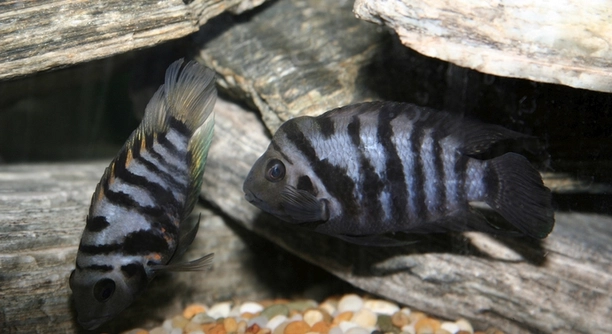
African cichlids are popular aquarium fish known for their vibrant colors and active behavior. Many fish keepers wonder how these fish interact with their tank mates and if they can recognize them over time. Understanding their social behavior helps create a harmonious aquarium environment.
African cichlids do recognize their tank mates through visual and behavioral cues. They form social hierarchies and remember individuals, which influences their interactions, territorial behavior, and stress levels. This recognition helps maintain group stability within the confined aquarium space.
Recognizing these social dynamics is important for anyone keeping African cichlids, as it affects their well-being and tank management strategies. This article explores how recognition impacts their daily behavior and overall aquarium harmony.
How African Cichlids Identify Tank Mates
African cichlids use several senses to recognize their tank mates. Vision plays a key role as they notice colors, patterns, and shapes of other fish. They also pay attention to swimming styles and behaviors. Over time, cichlids remember who they live with and adjust how they act toward each individual. This helps reduce unnecessary fighting and creates a balance in the tank. Social memory in cichlids is quite strong compared to other fish species, which makes them unique. By recognizing neighbors, they can establish territories and avoid constant stress. This recognition also influences feeding behavior and breeding chances, as fish tend to be less aggressive toward familiar tank mates. Knowing this can help tank owners manage group sizes and prevent aggression by choosing compatible fish.
Their recognition skills develop gradually and improve with consistent group members.
Recognition influences how cichlids share space and resources, making tank harmony possible over time.
Signs That African Cichlids Recognize Each Other
African cichlids show recognition through body language and interaction patterns. They often reduce aggressive displays like chasing or biting once familiar with tank mates. Instead, they establish clear social ranks using subtle cues such as fin flaring or color changes. Fish that do not recognize others tend to be more defensive and restless, increasing stress levels. Observing calm swimming and less frequent confrontations usually means cichlids have accepted their companions. They might even swim together or rest close by, which is rare in unfamiliar groups. This recognition helps them coexist peacefully, even in limited space. Understanding these signs allows tank owners to gauge whether their fish feel secure or if changes in the group may be necessary to prevent conflicts.
Recognition results in calmer, more predictable social behavior among tank mates.
How Tank Setup Affects Recognition
Tank size and layout impact how well African cichlids recognize each other. A spacious tank allows fish to establish clear territories and reduces frequent confrontations. Hiding spots and decorations give them places to retreat, which lowers stress. Crowded tanks make recognition harder and often increase aggression.
Proper tank design supports natural social behavior. When each fish has enough space, they learn who belongs in their territory and who doesn’t. Visual barriers, like rocks or plants, help break lines of sight and prevent constant aggression, improving overall tank harmony.
Without enough room, cichlids struggle to maintain stable relationships. Overcrowding leads to confusion and fights, as fish can’t avoid each other. Clear territory boundaries help fish remember neighbors and keep stress low, making a well-organized tank essential for healthy social dynamics.
The Role of Individual Personality
Personality differences among African cichlids affect recognition and interaction. Some fish are naturally more aggressive or territorial, while others are more passive. These traits influence how easily they accept tank mates and adapt to group life.
Dominant individuals may intimidate others, shaping social hierarchy quickly. Passive fish might avoid conflict by staying hidden or moving away from aggressive tank mates. Recognizing these differences helps in choosing compatible fish and managing aggression before it escalates.
Matching personalities can reduce stress and improve group cohesion. Knowing your fish’s behavior helps in creating a balanced community where recognition supports peaceful coexistence, rather than competition.
How Tank Mates Influence Recognition
The choice of tank mates affects how well African cichlids recognize each other. Compatible species with similar behavior styles tend to create a more peaceful environment. Aggressive or very different fish can disrupt social bonds and increase stress.
Tank mates that share similar social habits allow cichlids to maintain stable recognition and reduce fighting. Introducing too many new or different fish can reset recognition, leading to confusion and tension.
Importance of Consistent Grouping
Keeping the same group of cichlids over time helps strengthen recognition. Frequent changes in tank mates disrupt social memory and increase aggression. Stability allows fish to establish clear hierarchies and reduces stress for all individuals.
Effects of Stress on Recognition
Stress negatively impacts African cichlids’ ability to recognize and interact with tank mates. High stress levels can cause forgetfulness and aggression, leading to unstable social groups.
Observing Recognition in Behavior
Signs like reduced chasing and increased peaceful swimming indicate recognition among cichlids. These behaviors show comfort and acceptance in their social environment.
FAQ
Do African cichlids recognize their owners?
African cichlids are more focused on their environment and tank mates than on humans. They may learn to associate their owners with feeding times and approach the tank when food is expected. However, their recognition is mostly based on routine and movement rather than true individual recognition like some mammals or birds.
How long does it take for cichlids to recognize each other?
Recognition develops gradually, usually within a few days to weeks. The exact time depends on the tank size, number of fish, and how often the group changes. Stable groups in well-organized tanks tend to establish recognition faster, leading to less aggression and more peaceful interactions.
Can cichlids recognize fish from different species?
Cichlids primarily recognize members of their own species or closely related ones through visual and behavioral cues. Recognition of different species is limited and usually depends on how similar the fish are in size, color, and behavior. Different species might not form social bonds but can coexist if compatible.
What happens if new fish are introduced to the tank?
Introducing new fish disrupts established recognition and social hierarchies. Cichlids may become aggressive toward newcomers as they are seen as intruders. It can take time for the group to adjust and for new recognition patterns to form. Proper acclimation and space help reduce conflict during this period.
Does tank size affect recognition among cichlids?
Yes, tank size plays a crucial role. Larger tanks give fish enough space to create territories and avoid constant conflict. Smaller tanks force closer contact, making recognition harder and often increasing aggression. A properly sized tank supports stable social groups and better recognition.
How does stress impact cichlid recognition?
Stress reduces cichlids’ ability to remember and recognize tank mates. High stress levels often lead to increased aggression and unpredictable behavior. Minimizing stress through good water quality, proper tank setup, and compatible groupings supports better social interactions and recognition.
Can cichlids forget their tank mates?
Cichlids have good social memory but can forget tank mates if the environment changes frequently or if stress levels rise. Constantly changing tank mates or overcrowding may cause confusion, reducing recognition and leading to more conflicts.
Are some cichlids better at recognition than others?
Different species of African cichlids vary in social behavior and memory. Some species form strong social bonds and recognize individuals easily, while others are more solitary or territorial. Knowing your specific species’ behavior helps in managing recognition and tank dynamics effectively.
Does recognizing tank mates improve fish health?
Yes, stable social recognition reduces stress, which directly benefits fish health. Lower stress means better immune response, less disease, and longer lifespan. Recognized tank mates create a calmer environment, making it easier to maintain water quality and overall fish well-being.
How can I help my cichlids recognize each other better?
Maintain a stable group without frequent changes. Provide enough space and hiding spots to reduce stress and aggression. Avoid overcrowding and choose compatible species or individuals with similar temperaments. These steps help fish build social memory and peaceful recognition.
African cichlids show a clear ability to recognize their tank mates through sight and behavior. This recognition plays an important role in how they interact and live together in an aquarium. When cichlids know who their neighbors are, they tend to be less aggressive and better at sharing space. This helps keep the tank environment calm and balanced. For anyone caring for African cichlids, understanding this social behavior is valuable. It makes it easier to manage the tank and reduce conflicts among fish.
Tank size, setup, and the personalities of the fish also influence how well cichlids recognize each other. A larger tank with places to hide allows fish to create territories and avoid constant confrontation. Fish with more compatible temperaments tend to get along better, which makes recognition smoother. Stress can disrupt recognition and increase fighting, so providing a stable and comfortable environment is key. Avoiding sudden changes in the group helps fish remember each other and maintain social order. This all shows how the tank environment and care practices impact cichlids’ social dynamics.
Paying attention to how African cichlids recognize their tank mates can improve their overall well-being. Stable social groups reduce stress, which leads to healthier and longer-living fish. Recognizing tank mates is part of their natural behavior, and replicating conditions that support this in captivity benefits the whole aquarium. When tank owners provide proper space, compatible fish, and consistency, cichlids thrive in a peaceful community. Understanding these aspects helps create a better home for these colorful and active fish, making aquarium keeping more enjoyable and successful.

Hello,
If you enjoy the content that we create, please consider saying a "Thank You!" by leaving a tip.
Every little bit helps us continue crafting quality advice that supports the health, happiness, and well-being of pets around the world, for pets of all shapes, sizes, and species.
We really appreciate the kindness and support that you show us!