
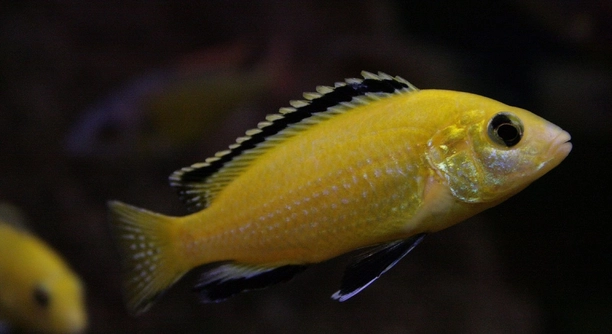
Is your cichlid spending more time in the darker areas of the tank instead of the light zone? Many fish owners notice this behavior and wonder what it means. Understanding your cichlid’s habits helps improve its care and environment.
Cichlids avoid the light zone primarily due to stress, discomfort, or environmental factors such as intense lighting, poor water quality, or the presence of aggressive tank mates. These conditions make shaded or darker areas more appealing for safety and comfort.
Recognizing why your cichlid prefers the dark spots can guide you in adjusting its habitat for better well-being and balance within the aquarium.
Common Reasons Cichlids Avoid Light Zones
Cichlids naturally seek places where they feel safe and comfortable. Bright lights can be overwhelming for some species, causing them to retreat to shaded areas. This behavior may also signal stress due to poor water conditions, such as incorrect pH or high ammonia levels. Aggressive tank mates can make your cichlid feel threatened, pushing it to hide in darker zones. Sometimes, illness or injury makes fish avoid light as they conserve energy or reduce stimulation. Lighting that is too strong or positioned improperly can make a tank less inviting. Many cichlids are used to environments with varied lighting, so they prefer having places to retreat. Providing enough hiding spots like plants, rocks, or decorations helps them feel secure. It’s important to balance light intensity with your cichlid’s needs to promote healthy behavior and reduce stress.
Adjusting lighting and ensuring a calm tank environment often encourages cichlids to explore the light zones more.
Regularly checking water quality and observing fish interactions helps maintain a peaceful habitat that supports your cichlid’s comfort.
Adjusting Lighting and Tank Setup
Adjusting the lighting can greatly impact how your cichlid behaves. Too much brightness might cause your fish to hide, while a softer light can encourage them to explore.
Using dimmable lights or placing the tank away from direct sunlight can reduce stress. Adding plants or decorations creates natural shade and hiding places, helping your cichlid feel safer. Also, make sure the tank has a proper light cycle to mimic natural day and night. Sudden changes in lighting can disturb fish, so adjust gradually if needed. Avoid placing strong lights directly over areas where your cichlid prefers to hide. Observe your fish’s behavior after these changes to see if they become more active in the light zones. Tank size and layout also affect how much light reaches different areas, so consider rearranging decorations if certain spots are too bright or too dark.
Balancing lighting and the tank’s interior can improve your cichlid’s comfort and encourage healthier activity patterns.
Water Quality and Its Impact on Light Avoidance
Poor water quality often causes fish to avoid brightly lit areas. High levels of ammonia, nitrites, or nitrates can stress cichlids, making them seek shelter in shaded spots to feel safer.
Maintaining clean water is essential for your cichlid’s health and behavior. Frequent water testing helps detect harmful substances early. Perform regular water changes to keep ammonia and nitrate levels low. Overfeeding can cause waste buildup, so feeding in moderation is key. Proper filtration ensures debris and toxins are removed effectively. If water quality is poor, fish will show signs like gasping at the surface or hiding in darker zones. Improving water quality can encourage your cichlid to be more active and comfortable throughout the tank, including the light zones.
Consistent care and water maintenance improve your fish’s environment, reducing stress and promoting natural behaviors.
Tank Mates and Their Influence on Cichlid Behavior
Aggressive or territorial tank mates can cause cichlids to avoid well-lit areas where encounters occur. Your cichlid may hide in darker zones to escape conflict or intimidation.
Choosing compatible tank mates reduces stress and creates a more peaceful environment. Some species are naturally aggressive, while others are shy or timid. Observe how your fish interact to identify if aggression is causing light avoidance. Separating aggressive fish or increasing hiding places helps balance the tank dynamics. Providing enough space and territories can reduce competition. In a calm environment, cichlids are more likely to explore the entire tank, including the brighter sections. Tank mates play a big role in your cichlid’s comfort and overall behavior.
Health Issues Affecting Light Preference
Illness can make cichlids avoid light. Sick fish often hide in darker areas to rest and recover.
If your cichlid seems lethargic or loses appetite, check for signs of disease. Light avoidance may indicate discomfort or stress related to health problems.
The Role of Natural Behavior and Species Differences
Different cichlid species have unique habits. Some naturally prefer shaded or dim environments because of their origins in lakes or rivers with varied lighting. Understanding your cichlid’s natural behavior helps explain why it avoids the light zone. Species like the Malawi cichlid often enjoy hiding spots, while others may tolerate brighter areas better. Knowing these traits allows you to create a tank environment that matches your fish’s needs, helping them feel secure and reducing stress-related behavior like light avoidance.
Monitoring Your Cichlid’s Behavior Regularly
Watching your cichlid closely over time helps identify patterns or sudden changes in light preference.
FAQ
Why does my cichlid hide in the dark even though the tank light is not too bright?
Cichlids may avoid light for reasons beyond brightness. Stress, illness, or discomfort from tank mates can make them seek shaded areas. Sometimes, it’s just natural behavior based on their species. Make sure water quality is good and observe their interactions with other fish.
Can changing the light schedule help my cichlid become more active in the light zone?
Yes, adjusting the light schedule can help. Mimicking natural day and night cycles supports your cichlid’s internal rhythm. Gradually increase or decrease lighting rather than making sudden changes. A stable schedule reduces stress and encourages normal activity patterns.
Is it normal for some cichlids to prefer dark spots all the time?
Some cichlids naturally prefer dim or shaded areas due to their natural habitat. This preference is normal and not a sign of problems. Providing plenty of hiding places and shaded zones in the tank will keep them comfortable and healthy.
What water conditions cause cichlids to avoid the light zone?
High ammonia, nitrites, or nitrates can cause stress and discomfort. Poor pH balance or temperature issues can also affect behavior. Regular testing and maintenance keep water safe and encourage cichlids to explore all areas of the tank.
Can tank size affect where my cichlid spends time?
Yes, a small or overcrowded tank limits hiding spots and space for natural behavior. This can cause your fish to feel unsafe and stick to shaded areas. Providing enough space and proper tank setup encourages balanced activity and light zone use.
How can I reduce aggression from tank mates that causes my cichlid to avoid light?
Separate aggressive fish or add more hiding spots. Rearranging tank decorations can break up territories and reduce conflict. Choosing peaceful tank mates and providing enough space also helps lower aggression, allowing your cichlid to feel secure in the light zone.
What signs show my cichlid might be sick and avoiding light because of illness?
Look for lethargy, loss of appetite, unusual swimming patterns, or visible wounds. Color changes and rapid breathing can also indicate illness. If these signs appear, test water quality and consider consulting a vet or fish expert for treatment.
Can adjusting the tank setup encourage my cichlid to spend more time in the light zone?
Yes, creating a balanced environment with shaded areas and gentle lighting encourages natural exploration. Use plants, rocks, or decorations to offer hiding spots and reduce stress. Proper lighting and tank layout support your fish’s comfort and confidence.
How often should I check water quality to keep my cichlid healthy and active?
Test water at least once a week for ammonia, nitrites, nitrates, and pH. Frequent monitoring prevents problems before they affect your fish. Regular partial water changes maintain clean conditions and promote healthy behavior, including activity in the light zones.
Can stress from handling or recent tank changes cause my cichlid to avoid the light zone?
Yes, sudden changes or rough handling can stress your cichlid. After such events, fish often hide in darker areas to feel safe. Keep the environment stable and make gradual changes to reduce stress and encourage your cichlid to return to normal behavior.
Caring for a cichlid means paying attention to its behavior, especially when it starts avoiding the light zone. This change can tell you a lot about how your fish is feeling and what might be wrong in its environment. Sometimes, the reason is simple, like the light being too strong or the tank needing better decorations to create hiding spots. Other times, it might be a sign of stress caused by poor water quality, aggressive tank mates, or even illness. Watching your cichlid closely and knowing what to look for helps you create a safer, more comfortable home for it.
Water quality is one of the most important factors in keeping cichlids happy and healthy. Regular testing and maintenance ensure the water stays clean and safe. When water conditions are right, fish feel less stressed and are more likely to explore the whole tank, including the light areas. Tank setup also plays a big role in their comfort. Adding plants, rocks, or other decorations can offer places to hide and rest, which cichlids naturally seek out. Proper lighting, neither too bright nor too dim, makes the tank more inviting. The balance of these elements supports your fish’s natural behavior and well-being.
Lastly, understanding your cichlid’s species helps a lot. Different cichlids have different needs and natural habits. Some prefer shaded, calmer spots while others are more tolerant of bright light. Taking time to learn about your fish’s background can guide you in setting up the tank and caring for it properly. Small changes, like adjusting lighting or choosing the right tank mates, can improve your cichlid’s life greatly. Being patient and observant makes all the difference in helping your fish feel comfortable and healthy in its environment.

Hello,
If you enjoy the content that we create, please consider saying a "Thank You!" by leaving a tip.
Every little bit helps us continue crafting quality advice that supports the health, happiness, and well-being of pets around the world, for pets of all shapes, sizes, and species.
We really appreciate the kindness and support that you show us!