
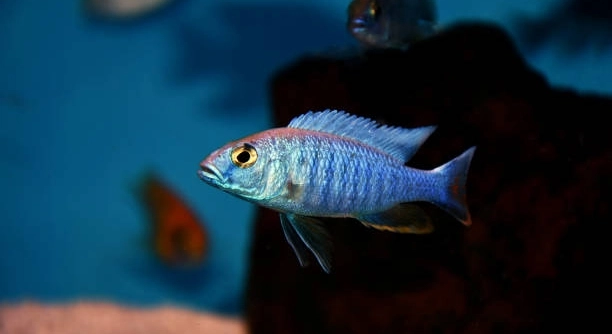
African cichlids are colorful fish known for their lively behavior during the day. Many fishkeepers wonder how these cichlids behave when night falls and the aquarium lights go off. Their actions at night can be quite different from what we see in daylight.
African cichlids display reduced activity and tend to seek shelter at night. Their behavior shifts from active foraging and social interactions to resting and conserving energy, with some species showing territorial guarding even during dark hours.
Learning about their nighttime habits helps improve care and creates a better environment for these fish. Observing these changes gives insight into their natural rhythms and needs.
How African Cichlids Behave During the Day
During the day, African cichlids are very active and social. They swim around the tank, exploring their surroundings and looking for food. These fish often show bright colors and interact with other cichlids through displays and movements. Some species are territorial, defending their space from others. You might see them digging in the gravel or rearranging decorations as part of their natural behavior. Daylight stimulates their energy and activity, making them more visible and engaging to watch. They also use this time to find mates and establish dominance. Their strong personalities shine during daylight hours, and they often respond quickly to changes in their environment. Keeping the tank well-lit during the day supports these natural behaviors and helps maintain their health. Observing their daytime habits gives a clear idea of how lively and dynamic these fish can be.
Their daytime behavior is vital to their overall health and well-being.
Recognizing how they act in the light helps you understand what changes to expect when night comes. It also informs how to set up a tank that meets their needs around the clock. Providing proper lighting and hiding spots is important to support both their daytime activity and nighttime rest.
Nighttime Behavior of African Cichlids
At night, African cichlids become much calmer and less active.
During the dark hours, these fish mostly rest and hide to conserve energy. They reduce their movement and may stay close to rocks or caves where they feel safe. Unlike during the day, they avoid unnecessary interactions to prevent stress. Some species continue to guard their territory quietly, but overall activity slows down significantly. Darkness signals their bodies to rest, similar to how humans need sleep. The lack of light causes their colors to appear duller, which is normal and part of their natural cycle. Providing sufficient hiding places is important because it helps them feel secure during this time. Nighttime is when their bodies recover, preparing them to be active and alert when the lights return. Understanding this behavior can improve how you care for your cichlids and create a balanced tank environment.
Lighting and Its Effect on African Cichlid Behavior
Lighting greatly influences how African cichlids act in their tank. Bright light encourages activity, while dim or no light signals rest. Proper day-night lighting cycles help maintain their natural rhythms and reduce stress.
When the lights are on, cichlids explore, feed, and interact with each other. They use visual signals to communicate, so good lighting enhances their social behaviors. If the light is too bright or on for too long, they may become stressed and hide more often. On the other hand, a sudden change to darkness can startle them. Gradual dimming can help ease this transition.
At night, darkness triggers a slowdown in movement and energy use. Fish find shelter and rest quietly, conserving strength for the next day. Balanced lighting cycles that mimic natural day and night patterns are important to keep cichlids healthy and comfortable.
Feeding Patterns at Night
African cichlids usually eat during the day and reduce feeding activity at night.
Most cichlids are diurnal feeders, meaning they look for food while it’s light out. At night, their metabolism slows, and they don’t hunt or graze much. Offering food only during the day matches their natural habits and avoids overfeeding. Uneaten food left overnight can pollute the tank and cause health problems.
Some species may nibble occasionally in dim light, but it is rare. Providing a proper feeding schedule helps maintain water quality and keeps fish healthy. Feeding in the daytime also encourages their natural behaviors and supports a stable tank environment.
Territorial Behavior at Night
African cichlids are less aggressive at night but still keep an eye on their territory. They often stay close to their hiding spots to guard their space quietly.
While daytime sees more chasing and displays, nighttime territorial behavior is subtle. Fish focus on resting but remain alert to intruders.
Importance of Hiding Spots
Providing plenty of hiding places helps cichlids feel safe when resting. Rocks, caves, and plants give them refuge during dark hours.
Without enough shelter, fish may become stressed or hide too much during the day. Hiding spots improve their comfort and encourage natural behaviors.
Temperature Changes and Activity
Slight temperature drops at night can lower cichlids’ activity levels. Cooler water slows their metabolism and encourages rest.
Maintaining stable temperatures helps avoid stress. A consistent environment supports their health and natural daily rhythms.
FAQ
Do African cichlids sleep at night?
Yes, African cichlids do rest at night, which is similar to sleep in other animals. Their activity slows down, and they often stay still or hide in secure spots. This rest period is important for their health and energy recovery, helping them stay active during the day.
How can I tell if my cichlids are resting properly?
You can tell if your cichlids are resting by observing less movement and calmer behavior at night. They usually stay near rocks or caves and avoid swimming around. If they hide in unusual places or seem stressed during the night, it may mean their environment needs adjustment.
Do African cichlids eat at night?
Most African cichlids do not eat at night. They are diurnal, meaning they feed during the day and rest at night. Feeding them at night can cause leftover food that pollutes the tank. It’s best to stick to feeding schedules during daylight hours.
Why do my cichlids lose their color at night?
Cichlids often lose some color intensity at night because their bodies slow down and conserve energy. This fading is natural and temporary. Their bright colors return once the lights are back on and they become active again.
Are cichlids more aggressive during the day or night?
Cichlids are more aggressive during the day when they defend territory and interact socially. At night, their aggression decreases as they focus on resting. However, some species may quietly guard their space even in the dark.
How important is lighting for my cichlids?
Lighting is very important. Proper lighting helps keep their natural day-night cycle in balance. Too much or too little light can cause stress or disrupt their behavior. Using a timer to control light periods helps mimic natural conditions.
What kind of hiding spots should I provide?
Rocks, caves, and dense plants make good hiding spots. These give cichlids places to feel safe and reduce stress. A tank with plenty of shelter supports both their daytime activity and nighttime rest.
Can sudden darkness harm my cichlids?
Sudden darkness can startle cichlids and cause stress. It’s better to dim the lights gradually if possible. This helps them adjust smoothly to nighttime and keeps their behavior calm.
Do African cichlids communicate differently at night?
At night, cichlids communicate less since they reduce activity. Visual signals are limited in the dark, so they rely more on subtle movements or staying close to territory boundaries if needed.
Should I worry if my cichlids hide a lot during the day?
If your cichlids hide too much during the day, it may indicate stress or poor tank conditions. Check water quality, lighting, and tank setup. Providing hiding spots is good, but excessive hiding can mean something is wrong.
How does temperature affect cichlid behavior at night?
Cooler nighttime temperatures naturally slow cichlid metabolism, making them less active. Sudden or large temperature changes can stress them. Keeping stable temperatures helps maintain healthy behavior day and night.
Is it normal for cichlids to guard their territory at night?
Some cichlid species quietly guard their territory at night, but this behavior is less intense than during the day. It is part of their natural instinct to protect their space even while resting.
Can I turn off the tank lights completely at night?
Yes, turning off tank lights completely at night is ideal to simulate natural darkness. This helps cichlids rest well and supports their biological rhythms. Avoid leaving the tank lit overnight.
How long should the lights be on each day?
A 10 to 12-hour light period is usually best for African cichlids. This schedule mimics natural daylight and allows for proper rest. Using a timer helps keep lighting consistent every day.
What happens if the tank is too bright at night?
If the tank stays too bright at night, cichlids may not rest properly. This can cause stress and affect their health over time. Ensuring darkness during nighttime hours is important for their well-being.
Can I use a night light for my cichlids?
Night lights are generally not needed and can interfere with rest. If you want to see your fish at night, use very dim, red lighting, which is less disturbing to them. Otherwise, complete darkness is best.
African cichlids have clear differences in how they behave during the day and night. During daylight hours, they are active, colorful, and social. They explore their environment, look for food, and interact with other fish. When night comes, their activity slows down significantly. They tend to hide in rocks or caves and rest quietly. This change is natural and important for their health. Rest allows them to conserve energy and prepare for the next day’s activity. Knowing these patterns helps fishkeepers provide the right care and environment for their cichlids.
Lighting plays a key role in how African cichlids behave. Proper day and night lighting helps keep their natural rhythms steady. When the tank is well lit during the day, cichlids stay active and show their best colors. At night, darkness signals them to rest. Sudden or harsh changes in lighting can stress the fish, so a gradual dimming is better. Providing hiding spots in the tank also supports their need for safety and calm during the night. A balanced environment with stable lighting and plenty of shelter helps reduce stress and keeps the fish healthy.
Feeding should match their natural habits as well. African cichlids mostly eat during the day and do not usually feed at night. Feeding them only in daylight hours prevents leftover food from polluting the tank and keeps water quality good. It also supports their natural feeding rhythm. Temperature changes can affect their activity too, as cooler water at night slows down their metabolism. Keeping water temperature stable helps maintain their health and comfort. Understanding these details allows you to create a tank setup that meets the needs of African cichlids both day and night. This care leads to happier, healthier fish and a more enjoyable aquarium experience.

Hello,
If you enjoy the content that we create, please consider saying a "Thank You!" by leaving a tip.
Every little bit helps us continue crafting quality advice that supports the health, happiness, and well-being of pets around the world, for pets of all shapes, sizes, and species.
We really appreciate the kindness and support that you show us!