
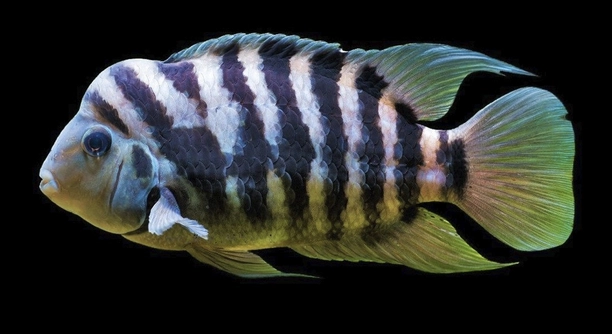
Are your cichlids acting restless or showing signs of stress in their tank? Many fish owners do not realize their tank might be too small for the needs of these active and territorial fish. Knowing the signs can help improve their well-being.
A tank that is too small for cichlids can cause overcrowding, stress, and aggressive behavior. Limited space reduces oxygen levels and increases waste buildup, leading to poor water quality and health problems for the fish. Proper tank size is essential for their survival and comfort.
Recognizing these signs early can help you make the best choices for your fish’s health and happiness. Understanding tank size is key to creating a balanced environment your cichlids will thrive in.
Signs of Overcrowding in Your Cichlid Tank
When your cichlid tank is too small, overcrowding is one of the first problems you’ll notice. Fish will have less space to swim and establish territories. This leads to constant chasing and fighting. Overcrowded tanks often cause cichlids to hide more, showing signs of stress. Their colors may fade, and they might stop eating as much. Poor water circulation also results because the filter struggles to keep the water clean with so many fish in a limited area. This builds up toxins like ammonia and nitrites quickly, which is harmful to the fish’s health. Regular water changes can help temporarily, but the best solution is providing a larger tank. A bigger tank allows fish to spread out and reduces aggression. Keeping the right number of cichlids in the proper space supports their natural behavior and overall well-being.
Overcrowding causes stress and poor water quality, making it difficult for cichlids to thrive in small tanks.
Providing enough space and fewer fish reduces fighting and improves water conditions, leading to healthier fish.
Reduced Growth and Health Issues
Cichlids in small tanks often show stunted growth. This happens because limited space and poor water quality affect their development. When fish do not have enough room to swim and explore, their muscles and bones do not grow as well as they should. Additionally, overcrowding increases stress levels, weakening their immune systems. This leaves them vulnerable to diseases like fin rot and ich. In small tanks, waste builds up quickly, and toxins can cause internal damage over time. It is harder to maintain stable water parameters in cramped tanks, making fish more prone to infections. Proper tank size helps keep water cleaner and reduces stress. Healthy cichlids will grow faster and live longer when they have enough space. Keeping their environment stable is key to preventing health problems and ensuring they reach their full potential. Moving to a larger tank or reducing the number of fish can improve their condition significantly.
Aggressive Behavior and Territorial Disputes
Cichlids in small tanks often become aggressive because they have less space to claim as their own. This leads to frequent fights and injuries among the fish.
Aggression increases when cichlids feel crowded. Each fish tries to defend a small area, which leads to constant chasing and biting. Stress from fighting weakens their health and can cause long-term damage. Some cichlids may hide more to avoid conflicts, which affects their normal behavior. A tank that’s too small limits their ability to establish proper territories, so tensions rise. Providing more space or fewer fish can help reduce these conflicts and create a calmer environment. Aggression is less common when fish can swim freely and find their own spots.
Aggression can disrupt feeding routines, making some cichlids lose weight or become weaker. This creates a cycle where stress and poor health worsen each other.
Poor Water Quality and Its Effects
Small tanks with many cichlids quickly develop poor water quality because the waste produced overwhelms the filtration system. This creates toxic conditions.
Ammonia and nitrite levels rise fast in cramped tanks, which harms fish gills and causes breathing difficulties. Poor water also promotes harmful bacteria and algae growth, making the environment unsafe. Frequent water changes are necessary, but they only mask the underlying problem of overcrowding. Stress from poor water quality lowers the fish’s immune system, increasing disease risks. Proper tank size allows for stable water parameters, reducing the need for constant maintenance. Clean, balanced water supports better health and more vibrant fish. Investing in the right tank size ensures a safe home for your cichlids and protects their long-term well-being.
Lack of Swimming Space
Cichlids need room to swim actively. A small tank limits their movement and causes frustration. Without enough space, they may become lethargic and less healthy.
Restricted swimming can lead to muscle weakness and reduce natural behaviors. Giving them more space helps keep them active and happy.
Increased Stress Levels
High stress levels in cichlids result from cramped living conditions. Stress weakens their immune systems and makes them prone to illness. A larger tank or fewer fish helps lower stress, allowing them to thrive in a balanced environment.
Difficulty Maintaining Water Temperature
Small tanks are harder to keep at a stable temperature. Fluctuations cause discomfort and health problems for cichlids. A larger tank maintains more consistent conditions, supporting better fish health.
Limited Space for Plants and Decorations
A small tank offers little room for plants and decorations. This reduces hiding spots and natural habitats that cichlids need to feel secure.
FAQ
How do I know if my cichlid tank is too small?
Look for signs like constant aggression, faded colors, and fish hiding more than usual. If your cichlids seem stressed or their growth is stunted, the tank might be too small. Also, check if water quality deteriorates quickly despite regular maintenance. These are clear indicators that your tank doesn’t meet their needs.
What is the ideal tank size for cichlids?
Most cichlids require at least 30 gallons per adult fish, but this depends on the species. Larger species need even bigger tanks. The key is to provide enough space for swimming, territory, and proper filtration. Overcrowding should always be avoided to keep fish healthy and stress-free.
Can I keep multiple cichlids in a small tank if they get along?
Even if cichlids appear peaceful at times, a small tank limits their natural behaviors and territories. Over time, stress and aggression often increase. A larger tank reduces these risks by giving each fish enough space to establish boundaries.
What happens if I don’t upgrade a small cichlid tank?
Keeping cichlids in a small tank can lead to chronic stress, weakened immune systems, and frequent illness. Poor water quality also harms their health and shortens their lifespan. Upgrading helps prevent these issues by providing a stable and comfortable environment.
How often should I clean a small cichlid tank?
Small tanks require more frequent cleaning because waste builds up quickly. Weekly partial water changes and regular filter maintenance are necessary to keep water parameters safe. Still, frequent cleaning is not a long-term solution if the tank is too small.
What can I do to improve conditions in a small tank?
If upgrading isn’t immediately possible, reduce the number of fish to avoid overcrowding. Use high-quality filtration and perform more frequent water changes. Adding plants and decorations can create hiding spots to reduce stress, but these are temporary fixes.
Are certain cichlid species better suited for smaller tanks?
Some dwarf cichlids tolerate smaller tanks better than larger species, but all need enough space to swim and establish territories. Research your specific species’ needs before choosing a tank size to ensure their health and well-being.
Is tank size more important than water quality for cichlids?
Both are critical, but tank size directly affects water quality and fish behavior. A larger tank dilutes toxins more effectively and reduces stress from overcrowding. Proper tank size helps maintain better water quality naturally over time.
Can decorations help if the tank is too small?
Decorations create hiding places and reduce aggression, but they cannot replace the need for adequate space. Overcrowded tanks with lots of decorations still suffer from poor water quality and stress due to limited swimming room.
When should I consider upgrading my tank?
If you notice frequent fighting, stress signs, stunted growth, or rapid water quality decline, it’s time to upgrade. Planning for a larger tank early on saves your fish from health problems and provides a more balanced environment.
When it comes to keeping cichlids healthy and happy, tank size plays a very important role. A tank that is too small causes many problems, such as stress, aggression, and poor water quality. These issues do not just affect the fish’s behavior but can also harm their health over time. Giving your cichlids enough space to swim, explore, and establish territories helps them live longer and more comfortably. It is important to remember that cichlids are active and territorial fish, so they need a suitable environment that supports their natural behaviors.
Choosing the right tank size is a key part of good fish care. Many new fish owners do not realize how much space cichlids require. It is not just about fitting the fish inside a tank, but about creating an environment where they can thrive. Overcrowding leads to fights and stress, which lowers their immune system and makes them vulnerable to illness. Even if you regularly clean the tank and change the water, a small tank will still cause problems because of limited space and poor circulation. Moving to a larger tank or reducing the number of fish can make a big difference in your cichlids’ well-being.
In the end, keeping cichlids is rewarding when their needs are met properly. Providing enough space, maintaining good water quality, and reducing stress are essential steps to ensuring they stay healthy. A bigger tank may require more effort and expense, but the benefits for your fish are worth it. Watching cichlids grow, show their true colors, and behave naturally is one of the most satisfying parts of fishkeeping. Taking the time to create the right environment is a way to show care and respect for your aquatic pets.

Hello,
If you enjoy the content that we create, please consider saying a "Thank You!" by leaving a tip.
Every little bit helps us continue crafting quality advice that supports the health, happiness, and well-being of pets around the world, for pets of all shapes, sizes, and species.
We really appreciate the kindness and support that you show us!