
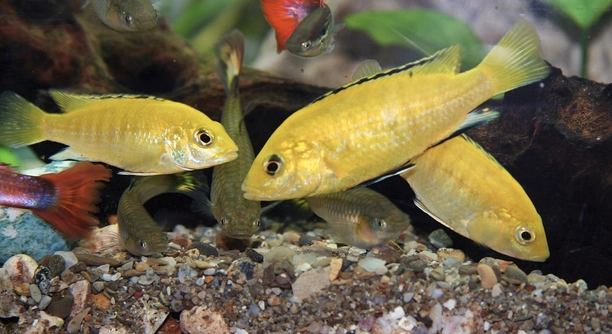
Are your African cichlids acting a little different lately—pacing, digging, or even guarding certain areas of the tank more than usual? These behaviors might mean something more than just a change in mood.
Before laying eggs, African cichlids typically clean a flat surface, become territorial, display increased coloration, pair off, show courtship behaviors, dig pits, and reduce appetite. These actions are part of their natural breeding process.
These early signs help hobbyists understand what’s coming next and prepare for a successful spawning. Watching their routines can also deepen your connection to their unique personalities and instincts.
They Start by Cleaning a Surface
Before African cichlids lay eggs, one of the first things they do is clean a flat surface like a rock, the tank bottom, or a plant leaf. This is where the female will eventually place her eggs. Both the male and female may take turns rubbing their mouths or bodies over the spot to remove debris, algae, or sand. This act isn’t just about hygiene—it’s also a sign that they are getting ready to breed. It can be easy to miss if you’re not paying attention, but once you see it, you’ll notice how careful and repetitive their movements are. This cleaning can go on for hours or even days before the female feels it’s ready.
This behavior is usually the first hint that breeding might happen soon, especially if the fish have recently paired up or are displaying other breeding signs.
Keeping a close eye on this stage gives you time to prepare the tank. If there are aggressive tank mates or poor water conditions, it’s a good moment to make changes. Adding extra hiding spots or checking filtration can help keep things calm. This cleaning phase also helps ensure the eggs stick to a clean, secure surface, reducing the risk of fungus or damage later on.
They Become More Territorial
As the cleaning phase begins, African cichlids may also become very territorial. They often chase away other fish from the area, even ones they used to tolerate.
Territorial behavior is strong in cichlids during breeding. The fish will guard the chosen area, usually the cleaned surface, and may display quick bursts of movement to intimidate others. Males often patrol the perimeter, flaring fins or darkening in color. This behavior helps protect the breeding zone from interference. If the tank is crowded, this can lead to stress or injuries, so you might want to add dividers or provide more space. Watching this behavior also tells you that the pair is serious about breeding. Sometimes, they’ll dig small pits around the area or block entrances with gravel. These actions help create a safe zone for the eggs and fry. If you see these signs, it’s a good idea to check the water quality and make sure everything in the tank is stable.
They Show Off Brighter Colors
Breeding cichlids often develop brighter, deeper colors. This change is most noticeable in males, but females can show it too. The shift helps attract a mate and signals readiness for spawning. It’s one of the clearest signs that egg-laying is getting close.
Color changes usually appear on the body and fins, especially around the face and belly. Males may become more vibrant to impress females, while females might show more contrast to stand out. This behavior goes hand in hand with chasing, fin displays, and nudging. If your cichlids are suddenly glowing with color, they’re likely signaling each other for breeding. Keep an eye on them, as the change in color can also mean a shift in mood. Some fish may become more aggressive or restless. Watching how they interact during this stage can help you figure out if they’ve chosen a partner or are still deciding.
Once pairing begins, the colors often stay bold until the eggs are laid. This helps both fish maintain their roles—one guarding, the other preparing. Their coloring is more than just for show. It’s an important part of how they communicate and stay synchronized during breeding. Avoid moving them or disturbing the tank at this stage. Stability is key.
They Begin Courting Each Other
During this time, courting begins with subtle movements. One fish may shimmy, twitch, or circle the other. These actions usually come from the male, but females may join in. This phase can last several days.
Courtship between African cichlids is not always peaceful. It often includes chasing, nudging, and occasional biting. The male may dig a shallow pit or guide the female back to the cleaned surface. He might shake his body or quiver to get her attention. Some species do a little dance or flare their fins in a display. If the female is not ready, she may swim away or hide. When she responds, they may spend a lot of time together. This behavior is normal, but if it gets too rough, you might want to watch closely or separate them. Strong courtship often means they are getting very close to laying eggs, so it’s a good time to double-check water parameters.
They Dig Small Pits or Nests
Digging is another clear sign that egg-laying is near. The fish will often move gravel or sand to create a shallow pit. This spot might be used for egg laying or just as part of their courtship routine.
Some cichlids dig multiple pits before choosing the right one. Males usually do the digging, but females may help. The action keeps them busy and signals to others that the area is taken. It also gives the eggs a safer place, away from open areas.
They Eat Less Than Usual
Right before laying eggs, many African cichlids stop eating or show little interest in food. This behavior is normal and shouldn’t be a cause for concern. Their focus shifts to nesting, cleaning, and guarding their space. The female, especially, might refuse food as her energy goes toward preparing her body to lay eggs. It’s helpful to remove uneaten food during this time to keep the tank clean and avoid water issues. Appetite usually returns shortly after the eggs are laid. If both fish are skipping meals, watch their behavior closely. As long as they remain active and show breeding signs, everything is likely on track.
They Become More Protective
Once egg-laying is close, both fish may guard their space more closely. They’ll chase others away and keep to one corner or cave. This behavior helps them stay focused and protect the area they’ve chosen.
FAQ
How long does it take for African cichlids to lay eggs after showing signs?
Once African cichlids begin showing signs like cleaning a surface, digging, and courting, egg-laying can happen within a few days to a week. The exact timing varies depending on the fish, their environment, and their experience. Some fish move quickly, while others take more time to bond or find the right spot. If conditions are stable and both fish are comfortable, they’ll likely move through the process faster. Keeping the tank peaceful and avoiding major changes during this stage helps support the process.
Do all African cichlids lay eggs the same way?
No, different species have different egg-laying behaviors. Some are substrate spawners and lay their eggs on a flat surface or inside a cave. Others, especially mouthbrooders, lay eggs and then quickly scoop them up in their mouths for protection. The steps leading up to egg-laying are often similar—like cleaning, digging, and courting—but how they handle the actual eggs can vary a lot. Knowing your species helps you understand what signs to look for and what behavior to expect next.
Is it normal for African cichlids to fight before laying eggs?
Yes, it’s normal to see chasing, nudging, and even light nipping during courtship and before egg-laying. These actions are part of how cichlids communicate. However, if the fighting becomes intense or one fish is constantly hiding, it could be a sign of stress or aggression rather than courtship. In that case, separating them temporarily or giving them more space might help. Most of the time, the behavior settles down once they’ve paired or laid eggs.
Can other tank mates cause problems during breeding?
Yes, other fish can interfere with breeding and egg-laying. African cichlids become very protective of their territory during this time, and tank mates might be seen as threats. This can lead to stress or even injury. If breeding signs appear, it’s best to monitor the tank closely. In some cases, moving the pair to a breeding tank or adding dividers can help reduce stress and give the pair more control over their space.
What should I do if the female lays eggs but doesn’t protect them?
If a female lays eggs and then leaves them or shows no interest, it might mean she’s not ready to care for them, especially if she’s young or new to breeding. Sometimes the male may also eat the eggs if he feels the area isn’t safe. Inexperienced pairs often fail a few times before successfully breeding. You can remove the eggs and raise them separately if you want to try hatching them yourself, but it’s also fine to wait and let the pair learn over time.
How can I tell if the eggs are fertile?
Fertile eggs are usually light in color and firm in texture. Over time, you may see tiny eyes or movement inside. Unfertilized eggs tend to turn white or fuzzy and may be eaten or removed by the parents. It can take a few days to notice the difference. Watching how the parents behave around the eggs is also a good sign—if they’re guarding them closely, it’s likely they’re viable.
Do cichlids always raise their own fry?
Not always. While many African cichlids will protect their fry, especially mouthbrooders, others may ignore or even eat them once they hatch. It depends on the species, the environment, and the individual fish. If you want to increase the chances of fry survival, you can separate them early into a different tank or use a breeding box. Keep in mind that first-time parents often make mistakes, so patience is important. Over time, their parenting behavior usually improves.
Final Thoughts
Watching African cichlids prepare to lay eggs can be an interesting experience. Their behaviors may seem small at first, like cleaning a rock or swimming differently, but each action has meaning. These signs are part of their natural breeding process. If you’re paying attention, you’ll notice patterns in how they interact, protect their space, and show interest in each other. Knowing what to expect helps you understand what they need and when to give them space. Each step—whether it’s cleaning, digging, or becoming territorial—is their way of getting ready to care for the next generation.
Providing the right environment can make a big difference. Clean water, calm surroundings, and enough space all help reduce stress. Even something simple like removing extra tank mates or adding more hiding spots can encourage successful breeding. You don’t always have to step in, but it’s helpful to know when things look off. If the fish are too aggressive or ignoring their eggs, don’t worry—it may take them a few tries to get it right. Many African cichlids improve with each breeding attempt. It’s okay to let them learn. You can also step in and separate the eggs or fry if you want to raise them yourself.
Breeding signs are not always obvious at first, but they become clearer over time. Each fish has its own personality and pace. Some move through the stages quickly, while others take more time. Being patient and observant is important. Once you know what to look for, you’ll start to recognize the little changes before each step. Whether you’re hoping for fry or just enjoy watching natural behavior, it helps to stay informed. Understanding these signs not only makes you more prepared, but also allows you to enjoy your fish in a deeper way. It’s not just about the eggs—it’s about learning how these fish communicate, care for their space, and interact with each other.

Hello,
If you enjoy the content that we create, please consider saying a "Thank You!" by leaving a tip.
Every little bit helps us continue crafting quality advice that supports the health, happiness, and well-being of pets around the world, for pets of all shapes, sizes, and species.
We really appreciate the kindness and support that you show us!