
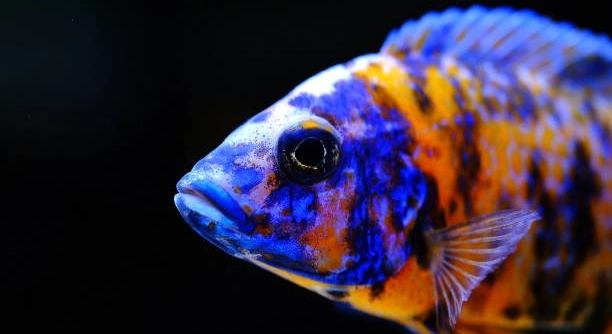
Helping a cichlid recover after a fight is important for its health and well-being. These fish can get hurt when they are aggressive with each other. Knowing how to care for them afterward can make a big difference.
The best way to help a cichlid recover after a fight is to separate the injured fish and provide a clean, quiet environment. Treat wounds with appropriate medications and monitor the fish closely for signs of infection or stress.
Proper care after a fight can improve healing and reduce the risk of future problems in your aquarium. Taking these steps ensures your cichlid stays healthy and comfortable.
Recognizing Injuries in Your Cichlid
After a fight, the first step is to carefully check your cichlid for any visible injuries. Look for torn fins, missing scales, or red marks on the body. Sometimes wounds can be small but still dangerous if left untreated. Keep an eye on unusual behavior like hiding, loss of appetite, or heavy breathing, as these can signal stress or infection. It’s helpful to have good lighting and a clear tank view to spot issues early. Early detection means you can act faster to help your fish heal. Keeping a close watch during the first few days after a fight is crucial. If the injury seems serious, consider moving the fish to a separate recovery tank to avoid further stress or attacks from other fish.
Observing your cichlid closely helps catch problems before they worsen, making recovery easier and faster.
Creating a calm and safe environment during recovery encourages your cichlid to rest and heal properly. Avoid sudden changes in water temperature and maintain clean water by performing regular partial water changes. Adding aquarium salt can help reduce stress and prevent infections. Make sure the recovery tank has hiding spots where the fish can feel secure. Feeding your cichlid soft, nutritious foods supports healing. Avoid overcrowding by keeping fewer fish in the tank to reduce aggression. If needed, use medication specifically designed for fish wounds, but follow instructions carefully. These simple steps create the best conditions for your cichlid to regain strength and health after a fight.
Preventing Future Fights
Separating aggressive fish early can prevent many injuries.
To reduce fights, provide plenty of space and hiding places in the tank. Rearranging decorations can break up established territories and lower tension. Avoid keeping fish with very different temperaments together. Maintaining good water quality and stable conditions also keeps fish healthy and less aggressive. Introducing new fish slowly and monitoring their interactions helps avoid sudden aggression. Sometimes, limiting the number of males or balancing the sexes in the tank reduces conflict. These prevention methods create a peaceful environment where cichlids can coexist without constant fighting.
Caring for Wounds Properly
Cleaning wounds promptly helps prevent infection. Use a mild antiseptic designed for aquarium use. Avoid harsh chemicals that can stress your fish.
Applying treatment carefully ensures the fish does not get further hurt. Use a small, soft brush or dropper to apply medication directly on wounds. Change the water regularly to keep the tank clean, and remove any debris or uneaten food. Monitor the fish daily to check if wounds are healing or worsening. If you notice swelling, redness, or unusual behavior, adjust treatment or consult a vet. Patience is key, as healing can take time, but proper care speeds recovery and keeps infections at bay.
Sometimes, wounds may need more than basic care. For deep cuts, consider isolating the fish to reduce stress and prevent other fish from disturbing the injury. A well-maintained recovery tank with gentle filtration and stable temperature promotes healing. Avoid strong lights or loud noises to help your cichlid stay calm. Regular observation during this period allows you to catch any signs of infection early. Proper wound care and a peaceful environment together support your fish’s return to health.
Supporting Your Cichlid’s Immune System
A healthy immune system helps your cichlid fight infections and heal faster.
Feeding high-quality, nutritious food improves overall health and immunity. Include foods rich in vitamins and minerals, like pellets formulated for cichlids or occasional live and frozen treats. Avoid overfeeding, as leftover food can pollute the water and stress your fish. Keep water parameters stable—pH, temperature, and cleanliness are critical. Stress weakens the immune system, so minimize disturbances and overcrowding. Providing a calm environment helps your cichlid recover better and avoid future illnesses. Simple changes in diet and care can make a big difference in your fish’s strength and ability to heal.
Monitoring Behavior After a Fight
Watching your cichlid’s behavior after a fight is important. Changes in activity or appetite can signal stress or illness.
Note any signs like hiding, lethargy, or loss of interest in food. These may require immediate attention to prevent worsening conditions.
Adjusting Tank Conditions
Keep the water clean and well-filtered to support healing. Avoid sudden temperature changes and maintain stable pH levels. Proper lighting should mimic natural conditions without stressing your fish. Regular water tests help catch issues early, ensuring the tank stays a safe space for recovery.
Using Medication When Needed
Only use medication when necessary. Follow instructions carefully to avoid harming your fish.
Feeding Tips for Recovery
Offer soft, easily digestible food to help your cichlid regain strength without stressing its system.
FAQ
How long does it take for a cichlid to recover after a fight?
Recovery time varies depending on the severity of the injuries. Minor wounds may heal within a week, while more serious injuries could take several weeks. Consistent care, a clean environment, and proper feeding can help speed up the healing process. Keep monitoring your fish for any signs of infection or stress during this time.
Should I separate injured cichlids from the rest of the tank?
Yes, separating injured cichlids is recommended. It prevents further attacks and reduces stress, which can delay healing. Use a quarantine or recovery tank with calm conditions and hiding spots. Make sure water parameters in both tanks are stable to avoid additional stress.
What are the signs of infection in a cichlid after a fight?
Common signs include redness or swelling around wounds, cloudy eyes, frayed fins, and unusual swimming behavior. A loss of appetite or lethargy may also indicate infection. If you notice any of these signs, consider treating with appropriate medication and maintaining excellent water quality.
Can I use over-the-counter human antiseptics on my cichlid?
No, human antiseptics can be harmful to fish. Always use treatments specifically made for aquarium use. These products are formulated to be safe for fish and effective in preventing infections without damaging the tank’s ecosystem.
How often should I change the water during recovery?
Perform partial water changes of about 20-30% every 2-3 days during recovery. This helps keep water clean and reduces harmful bacteria. Avoid full water changes, as they can stress the fish. Test water parameters regularly to maintain stable conditions.
What type of food is best for a cichlid healing from injuries?
Feed your cichlid soft, nutritious food that is easy to digest. High-quality pellets designed for cichlids are a good base. Supplement with frozen or live foods like brine shrimp or bloodworms to provide extra protein and vitamins. Avoid overfeeding to maintain water quality.
How can I prevent future fights among my cichlids?
Providing plenty of space, hiding places, and maintaining good water quality are key. Avoid overcrowding and mix fish species carefully. Rearranging tank decorations regularly can disrupt territories and reduce aggression. Monitor interactions closely and separate aggressive individuals if needed.
Is it normal for cichlids to act withdrawn after a fight?
Yes, it’s normal for injured or stressed cichlids to hide or act less active. This behavior helps them avoid further conflict and recover. Make sure they have safe hiding spots and avoid disturbing them during this time.
When should I seek professional help for an injured cichlid?
If wounds are deep, not healing after two weeks, or signs of infection worsen despite treatment, consult a vet or fish specialist. Severe infections or internal injuries may require advanced care beyond home treatment.
Can stress from a fight affect my cichlid’s long-term health?
Yes, stress weakens the immune system, making fish more vulnerable to diseases. Chronic stress can reduce lifespan and affect behavior. Keeping your tank environment stable and peaceful helps reduce stress and supports overall health.
Final Thoughts
Helping a cichlid recover after a fight takes patience and attention. Injuries can range from small scratches to deeper wounds that need careful care. It’s important to act quickly by separating the injured fish and providing a clean, quiet place for healing. This gives your cichlid the best chance to recover without extra stress or attacks from other fish. Watching for signs of infection or unusual behavior is also key because catching problems early makes treatment easier and more effective.
Maintaining good water quality during recovery is just as important as treating wounds. Clean water helps prevent infections and supports your fish’s immune system. Regular partial water changes, stable temperature, and proper filtration all work together to create a safe environment. Feeding your cichlid nutritious and easy-to-digest food helps the healing process, too. Stress from fighting can weaken the immune system, so keeping the tank calm and peaceful helps your fish regain strength faster.
Preventing future fights is a good way to avoid injuries altogether. Providing enough space, hiding spots, and keeping compatible fish together reduces aggression. Sometimes rearranging the tank can break up territorial disputes. Monitoring fish behavior and stepping in early if fights start keeps the whole tank healthier. When you care for your cichlid with attention and respect, you give it a better chance to thrive after a fight and live a long, healthy life. Taking small but consistent steps makes all the difference in your aquarium’s well-being.

Hello,
If you enjoy the content that we create, please consider saying a "Thank You!" by leaving a tip.
Every little bit helps us continue crafting quality advice that supports the health, happiness, and well-being of pets around the world, for pets of all shapes, sizes, and species.
We really appreciate the kindness and support that you show us!