
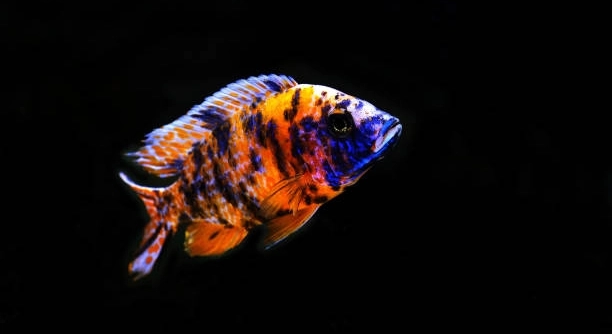
Cichlid tanks can be a rewarding hobby, but they need more than just water and fish to thrive. Many hobbyists seek ways to improve their tanks beyond basic care. Adding enrichment helps keep cichlids active and healthy in captivity.
Enhancing a cichlid tank with enrichment involves introducing varied decorations, hiding places, natural substrates, and stimulating objects. These elements encourage natural behaviors and reduce stress, contributing to the fish’s overall well-being and longevity in an artificial environment.
Exploring simple and effective enrichment ideas can transform your tank into a dynamic, engaging space for your cichlids to flourish.
Adding Natural Decorations
Natural decorations like rocks, driftwood, and plants bring a more realistic feel to your cichlid tank. These items create hiding spots and territories, which are essential for reducing aggression among cichlids. Rocks and caves mimic the fish’s natural environment, offering places to rest and feel safe. Driftwood adds texture and can release beneficial tannins that slightly soften the water, which some cichlid species prefer. Live plants contribute oxygen and improve water quality, though choosing hardy plants is important because some cichlids may uproot or eat them. Incorporating these elements encourages the fish to explore and interact with their surroundings, which promotes their mental and physical health. Regularly changing or rearranging decorations can keep the environment fresh and interesting for your fish. While natural decorations require maintenance to avoid algae buildup or decay, their benefits to your tank’s ecosystem and your cichlids’ well-being make the effort worthwhile.
Natural decorations give your tank a lively and balanced look that cichlids naturally enjoy.
Including a variety of textures and hiding spots creates a more comfortable and stimulating habitat for your cichlids. The right choice of natural elements encourages natural behaviors and helps maintain better water quality.
Creating Hiding Spaces
Hiding spaces are crucial for cichlids to feel secure and less stressed.
Cichlids are territorial fish that need places to retreat when feeling threatened. Providing caves, tunnels, and dense plant cover can reduce conflicts and help establish territories. These hiding spots allow shy or smaller fish to escape from more aggressive tank mates. Using ceramic pots, PVC pipes, or specially designed aquarium caves can work well in creating these areas. Placement is important—hiding places should be spread throughout the tank so each fish can claim its own space. Hiding spaces not only reduce stress but also encourage natural behavior such as breeding and exploration. When cichlids have places to hide, they show more confidence and activity, which makes watching them more enjoyable and supports their overall health. Regularly inspect and clean these spaces to keep them safe and usable.
Using Varied Substrates
Different substrates add interest and function to your tank. Sand, gravel, and crushed coral all affect water chemistry and fish behavior.
Sand is gentle on cichlids that like digging or sifting through the substrate. It mimics their natural habitat and prevents injury. Gravel offers good anchorage for plants and beneficial bacteria growth but may not suit all cichlid species. Crushed coral helps maintain higher pH and hardness, ideal for African cichlids. Mixing substrates can create zones within the tank that appeal to different fish. Choosing the right substrate supports natural behaviors and keeps water conditions stable, which benefits overall fish health.
Changing substrates can refresh your tank’s look and give your fish new areas to explore. It’s important to rinse and prepare substrates properly before adding them to avoid clouding the water.
Introducing Feeding Enrichment
Feeding enrichment stimulates natural hunting and foraging behaviors in cichlids.
Offering live or frozen foods like brine shrimp, bloodworms, and daphnia encourages cichlids to search and hunt. Using feeding rings or placing food in different tank areas slows down eating and increases activity. You can also try sinking pellets, floating flakes, or frozen cubes to vary how fish find their food. This variation reduces boredom and helps keep cichlids healthy by providing balanced nutrition. Feeding enrichment replicates conditions they face in the wild, which improves digestion and reduces aggression caused by competition. Consistent, varied feeding routines can positively impact fish behavior and tank dynamics. Make sure not to overfeed, as leftover food can harm water quality.
Providing Adequate Lighting
Lighting affects both fish behavior and plant growth. Proper lighting helps cichlids maintain their natural rhythms and colors.
Too much light can stress fish, while too little may stunt plant growth. Using a timer ensures a consistent day-night cycle for your tank.
Rotating Tank Decorations
Changing tank decorations regularly keeps the environment fresh and interesting. Moving rocks, plants, and hiding spots encourages fish to explore new territories and reduces boredom.
Rotation stimulates natural curiosity and can reduce territorial aggression. Small changes are enough to make a difference in fish activity and overall tank health.
Using Background Images
Background images add depth and reduce reflections that may stress fish. They create a more natural feel without taking up space in the tank.
Choose backgrounds that mimic natural environments like rocky landscapes or aquatic plants to enhance your tank’s appearance.
Maintaining Water Quality
Clean, stable water is essential for cichlid health. Regular water changes and testing keep conditions safe and comfortable for your fish.
How often should I change the decorations in my cichlid tank?
Changing decorations every few months can keep the environment stimulating for your fish. However, frequent rearranging should be done carefully to avoid stressing territorial cichlids. A good rule of thumb is to make small adjustments rather than complete overhauls. This encourages exploration without causing confusion or aggression. Always monitor your fish after any changes to make sure they are adapting well.
Can live plants survive in a cichlid tank?
Yes, some live plants can thrive with cichlids, but it depends on the species. Many cichlids are known to uproot or nibble on plants, so choose hardy species like Anubias, Java Fern, or Vallisneria. These plants have tough leaves or root systems that can withstand some damage. Providing plenty of hiding spaces can also reduce plant destruction, as fish feel less stressed and less likely to dig excessively.
What types of substrates are best for different cichlid species?
Substrate choice depends on the natural habitat of the cichlid species you keep. For example, African cichlids from the Rift Lakes prefer hard, alkaline substrates like crushed coral or sand. South American cichlids often do well with softer substrates like fine sand or gravel. It’s important to research your specific species to mimic their natural environment, which supports their health and natural behavior.
Is feeding live food necessary for cichlids?
Feeding live food is not always necessary but can be very beneficial. Live foods like brine shrimp or bloodworms encourage natural hunting instincts and provide excellent nutrition. However, frozen or high-quality pellet foods can also meet your cichlids’ dietary needs. A mix of different food types is best to keep fish interested and healthy.
How do hiding places affect aggression in a cichlid tank?
Hiding places significantly reduce aggression by giving fish their own territory and retreat options. Cichlids are territorial and can become stressed or aggressive without enough shelters. Providing caves, plants, and tunnels lets fish escape conflicts and lowers tension. This creates a more peaceful tank environment where all fish can thrive.
How important is water quality for enrichment?
Water quality is the foundation of any enrichment effort. Even the best decorations and feeding routines won’t help if water conditions are poor. Regular testing and maintenance keep ammonia, nitrite, and nitrate levels safe. Stable pH and temperature also prevent stress. Healthy water supports active behavior, vibrant colors, and longer fish life.
Can I use artificial plants instead of live plants?
Artificial plants can be used as an alternative to live plants. They require less maintenance and won’t be eaten or uprooted by cichlids. While they don’t improve water quality like live plants, they still provide hiding spots and visual interest. Choose soft, fish-safe materials to avoid injuring your fish.
How do I avoid overfeeding when adding feeding enrichment?
To prevent overfeeding, measure portions carefully and remove uneaten food promptly. Using feeding tools like rings or placing food in different spots encourages natural foraging without excess. Feeding small amounts multiple times a day rather than one large feeding helps control intake. Keeping a consistent schedule reduces waste and maintains water quality.
What’s the best lighting schedule for a cichlid tank?
A lighting schedule of 8 to 10 hours a day is ideal for most cichlids. Using a timer ensures a consistent day-night cycle, which supports natural rhythms and plant growth. Avoid bright, direct light for long periods as it may stress fish. Dimming lights or providing shaded areas can create a more comfortable environment.
How can I tell if my cichlids are stressed from their environment?
Signs of stress include hiding constantly, loss of color, erratic swimming, or aggression spikes. If fish seem lethargic or stop eating, it might indicate poor water quality or insufficient enrichment. Regular observation helps catch issues early. Adjusting decorations, hiding spots, and feeding routines can reduce stress and improve fish health.
Adding enrichment to a cichlid tank is an important step in caring for these active fish. Providing natural decorations, hiding places, varied substrates, and feeding enrichment creates a more balanced and interesting environment. These elements help cichlids behave more like they would in the wild, which improves their health and reduces stress. A well-enriched tank supports both the physical and mental well-being of the fish, making the hobby more enjoyable for the owner as well.
Enrichment does not have to be complicated or expensive. Simple changes like adding rocks, caves, or plants can make a big difference. Even rotating decorations or varying the way food is offered can stimulate your cichlids and keep them engaged. It is important to pay attention to your fish’s behavior and adjust the tank setup if signs of stress or aggression appear. Consistency in water quality and lighting also plays a key role in creating a stable and healthy habitat.
Overall, enrichment is about making the tank a livelier and safer place for cichlids. By providing places to hide, materials to explore, and opportunities to forage, you help your fish feel secure and active. This leads to better health, brighter colors, and more natural behaviors. With some care and attention, you can build an environment that meets your cichlids’ needs and brings satisfaction to your aquarium experience.

Hello,
If you enjoy the content that we create, please consider saying a "Thank You!" by leaving a tip.
Every little bit helps us continue crafting quality advice that supports the health, happiness, and well-being of pets around the world, for pets of all shapes, sizes, and species.
We really appreciate the kindness and support that you show us!